
When Maryland cold snaps hit, I move fast on a simple plan: prep before temps plunge, act during the freeze, and recover safely afterward. Use this step-by-step playbook to keep water flowing and prevent costly damage.
Before the cold snap: harden your system (60–90 minutes)
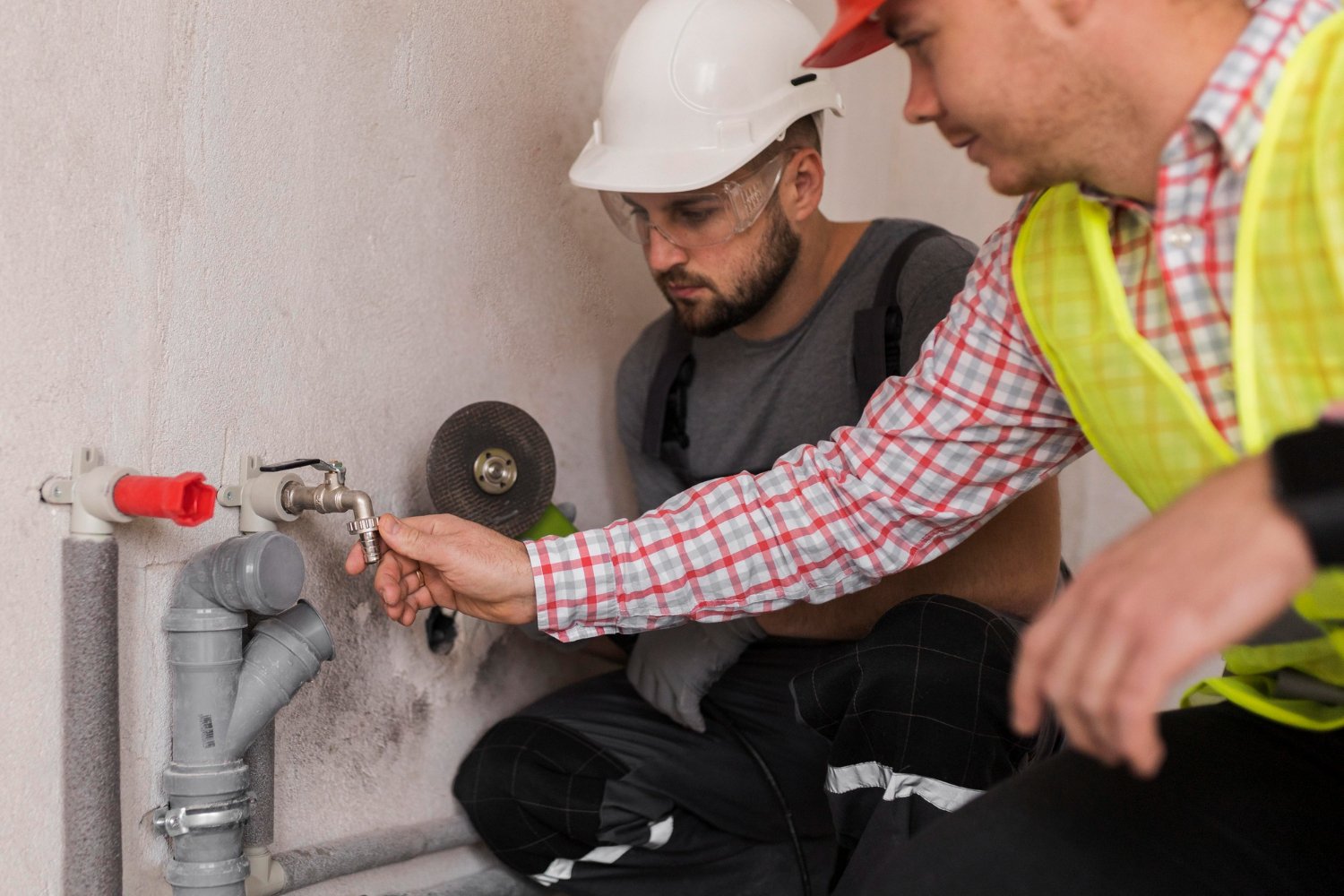
1) Insulate the weak spots
Wrap exposed pipes in attics, crawl spaces, garages, and exterior-wall runs with foam sleeves. Add hose-bib covers and insulate around meter areas.
2) Disconnect & drain outdoor lines
Remove garden hoses. Shut and drain exterior spigots and irrigation so trapped water can’t freeze and split fittings.
3) Seal drafts and weatherstrip
Caulk/foam pipe penetrations and weatherstrip doors and windows. Keeping cold air out is the cheapest insurance you can buy.
4) Thermostat, meter, and shutoff readiness
Keep the thermostat at or above 55°F where pipes and meters live, and keep garage doors closed. Locate and test the main water shutoff so you can stop a leak in seconds.
5) Crawlspaces & older homes (extra care)
For older or drafty homes, add rigid foam on crawlspace walls and consider thermostat-controlled heat cable on the most exposed sections.
Traveling or leaving the home vacant? Maintain heat at 55°F or shut off and drain the system. That simple choice prevents most freeze losses.
Pro help if you need it: Get a professional winterization or pipe-insulation assessment through our plumbing services.
During the cold snap: keep water moving & pipes warm (5–10 minutes)
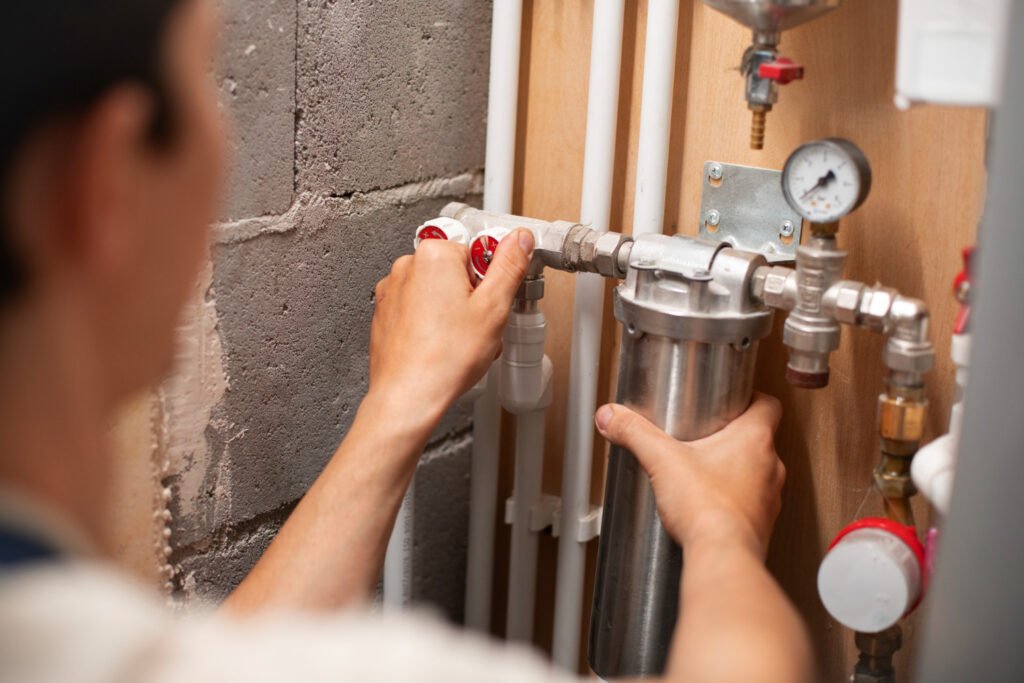
6) Let vulnerable faucets drip
On lines running through unheated spaces, let a slow drip run. Moving water is less likely to freeze and it relieves pressure if ice forms.
7) Open under-sink cabinet doors
Open kitchen and bath cabinets so warm room air circulates around supply lines.
8) Balance interior heat and block drafts
Keep interior doors open to even out heat; double-check that exterior doors and windows are tightly closed.
If a pipe may be freezing: safe thawing protocol
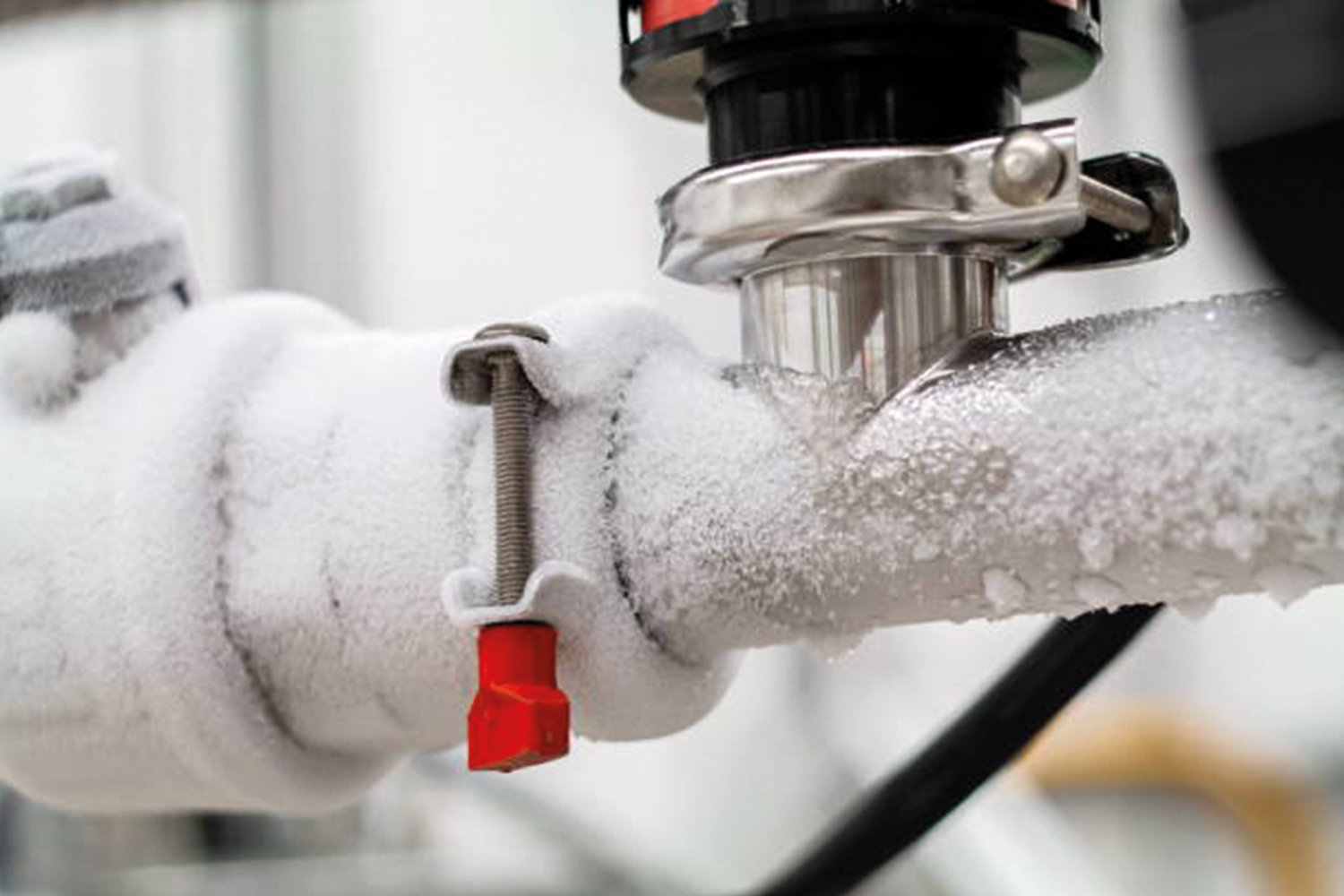
9) Confirm and relieve pressure
If a faucet slows to a trickle, fully open the nearest faucet to relieve pressure before you begin thawing.
10) Apply gentle heat—never open flame
Warm the pipe starting near the faucet using a hair dryer, heating pad, or space heater. Move slowly, monitor constantly, and never use a blowtorch.
11) Know when to call a pro
If you can’t access the frozen section or suspect damage, pause and call a licensed plumber. It’s cheaper than a soaked ceiling.
If a pipe bursts: first-aid & next steps
12) Control the water and document
- Shut off the main water immediately.
- Cut power to the affected area if water is present.
- Document with photos/video and start cleanup (wet/dry vac, towels, fans).
13) Call your plumber (and your insurer)
Repair the break, then contact your carrier about coverage. Pipe repair itself isn’t always covered, but resulting water damage often is—policies vary.
Need urgent help? Book Water Line Repair for same-day support.
Stay ahead of Maryland’s next freeze — schedule a professional pipe inspection or winterization today.
Special Maryland scenarios
14) Sewer line realities in deep cold
Ground movement and cold can expose existing weaknesses. If you notice gurgling, multiple slow drains, or backups after a freeze, schedule a sewer check with Sewer Line Repair & Replacement or start with a Video Camera Sewer Inspection to pinpoint the issue without digging.
15) Backflow and pressure changes
Pressure spikes after thawing can stress backflow devices and valves. If you run irrigation or commercial fixtures, consider a checkup through Backflow Prevention Services.
16) Water heater considerations
Cold snaps magnify hot-water demand. If recovery is slow, temperature fluctuates, or you hear rumbling (sediment), schedule Water Heater Services for maintenance or upgrade options.
Quick printable checklist
- Insulate exposed pipes (attic, crawlspace, garage, exterior walls).
- Disconnect hoses; shut and drain outdoor spigots/irrigation.
- Seal gaps; weatherstrip doors/windows; keep garage closed.
- Keep thermostat ≥55°F; verify the main water shutoff works.
- During snaps: drip faucets on vulnerable runs; open sink cabinets.
- Suspected freeze: open nearest faucet; apply gentle heat (no flame).
- Burst pipe: shut main, kill power if needed, document, call plumber/insurer.
Why this guide works
It gives you a clear sequence—prep → protect → recover—with homeowner-friendly steps and pro-level checkpoints. Follow it, and you’ll drastically cut your risk of frozen or burst pipes during Maryland’s sharp cold spells.
Not sure where to start? Explore our plumbing services and get help tailored to your home.