
When I first moved into a rental, I had no idea how complicated plumbing responsibilities could get. During several years I rented different apartments and faced more than one plumbing problem. One time, a pipe burst right under the kitchen sink, and I didn’t know whether I should pay or call the landlord. That experience taught me an important lesson: when plumbing duties aren’t clearly defined, frustration quickly follows.
Later, when I became a landlord myself, I realized that clear communication and written agreements could have saved me—and my tenants—so much confusion. Let’s break down exactly what landlords and tenants are responsible for when it comes to plumbing in rental properties.
1. Why Understanding Plumbing Responsibilities Matters
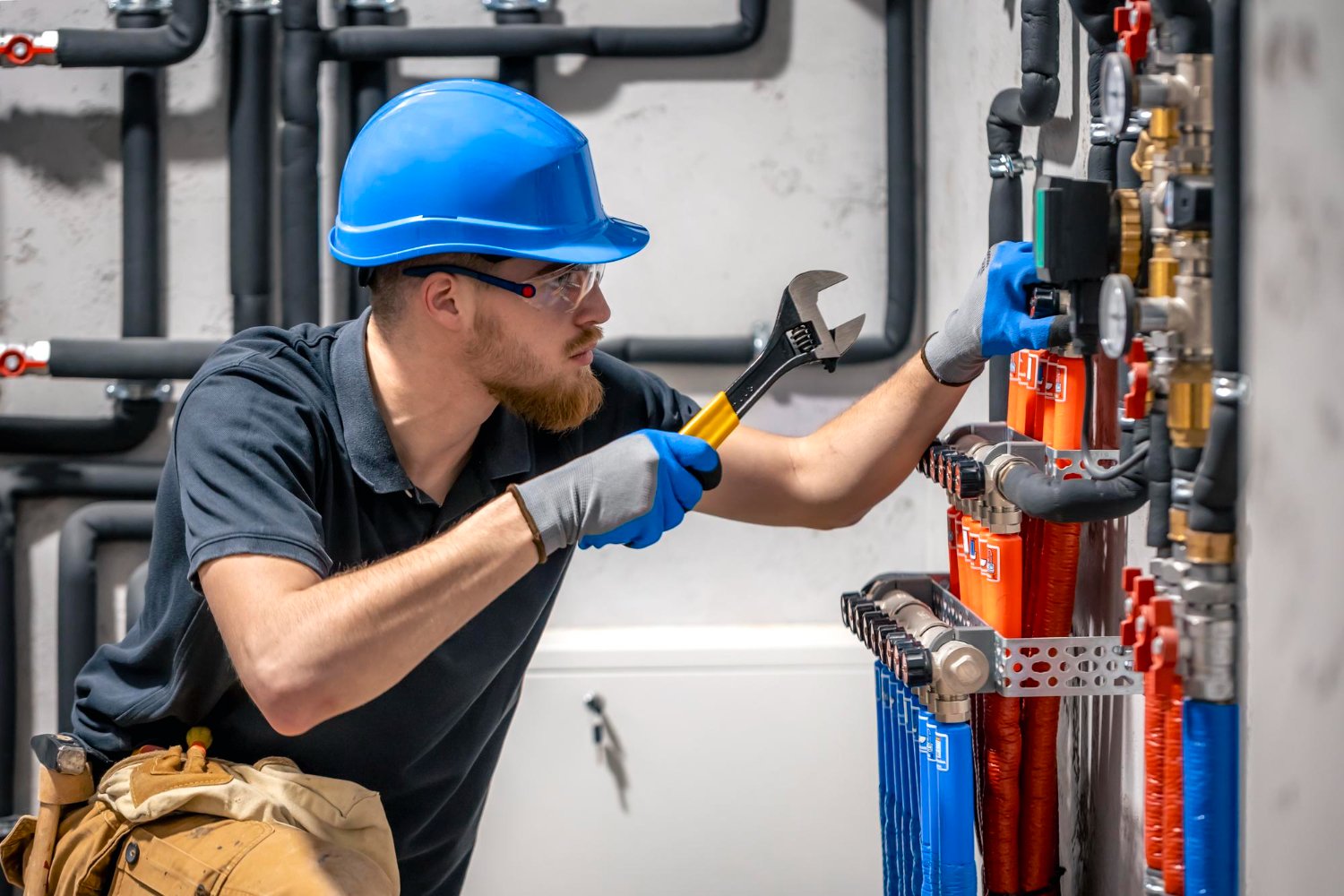
Plumbing isn’t just about convenience. It’s about habitability, safety, and money. If something goes wrong—a burst pipe, a leaking toilet, or a clogged drain—knowing who’s responsible can prevent costly repairs and legal disputes.
From my renter years, I learned that if you’re not sure who should pay for a repair, you’re already in a gray area. Clear responsibilities keep relationships professional and properties in good shape.
2. Landlord Plumbing Responsibilities
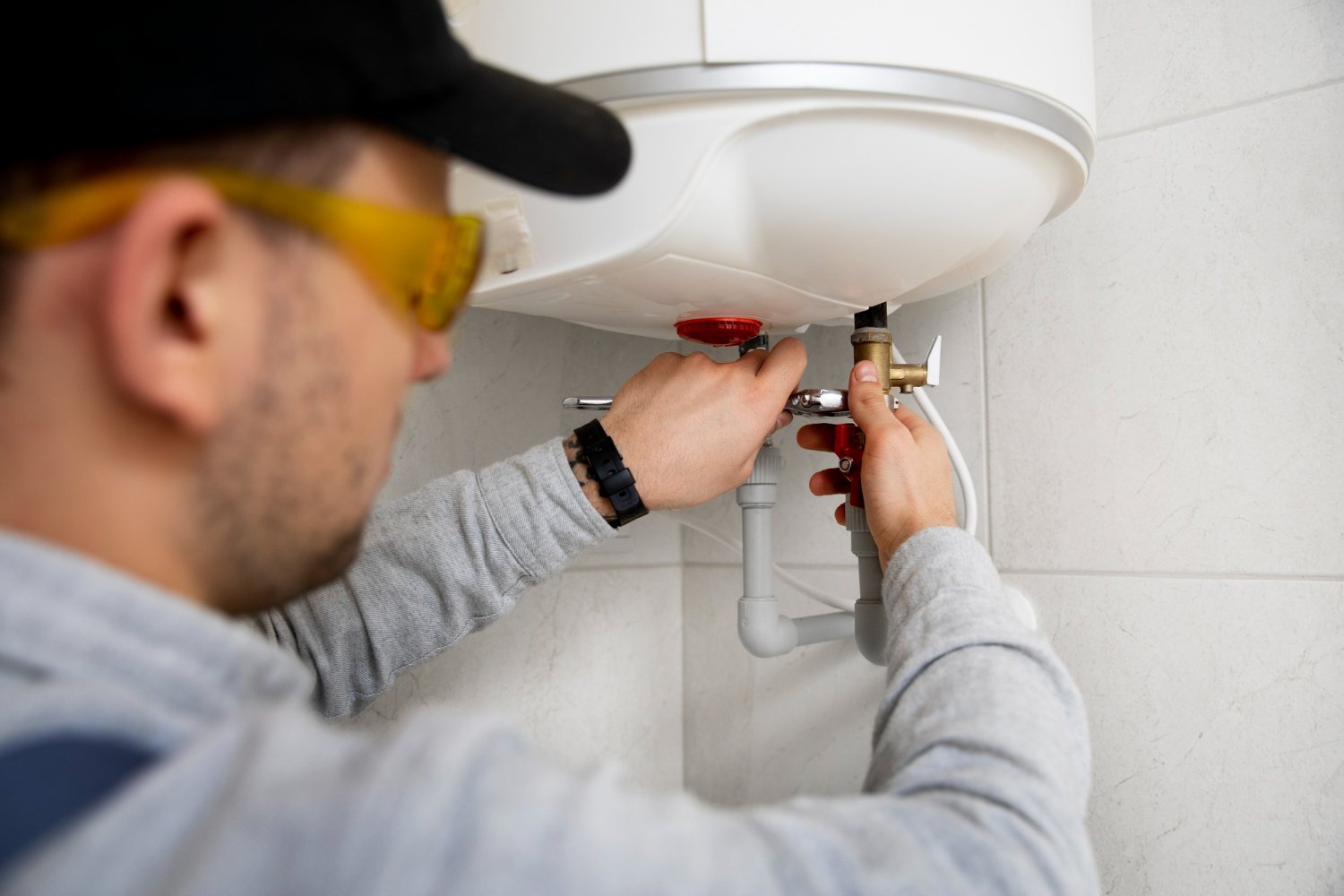
When I transitioned to being a landlord, I realized that major plumbing maintenance falls squarely on the property owner. That includes:
- Keeping the plumbing infrastructure functional (supply lines, drainage, and sewage).
- Covering repairs caused by normal wear and tear.
- Fixing issues that affect habitability, such as broken water heaters or sewer line blockages.
- Ensuring plumbing systems comply with local housing and safety codes.
As a landlord, I learned that preventive maintenance—like annual inspections—costs far less than emergency repairs. Every time I checked for leaks ahead of time, I avoided both complaints and expensive replacements later.
3. Tenant Plumbing Responsibilities

Tenants also play a big role in maintaining a healthy plumbing system. Here’s what typically falls under their responsibility:
- Routine maintenance: keeping drains free of hair, grease, or debris.
- Proper use: avoiding flushing inappropriate items or disposing of grease in the sink.
- Reporting problems promptly: small leaks become big ones if ignored.
- Minor fixes: if agreed in the lease, tenants may handle simple repairs like replacing a washer.
When I was renting, I learned to report even a dripping faucet quickly—it saved me from dealing with a much bigger problem later on.
4. Normal Wear vs. Tenant-Caused Damage
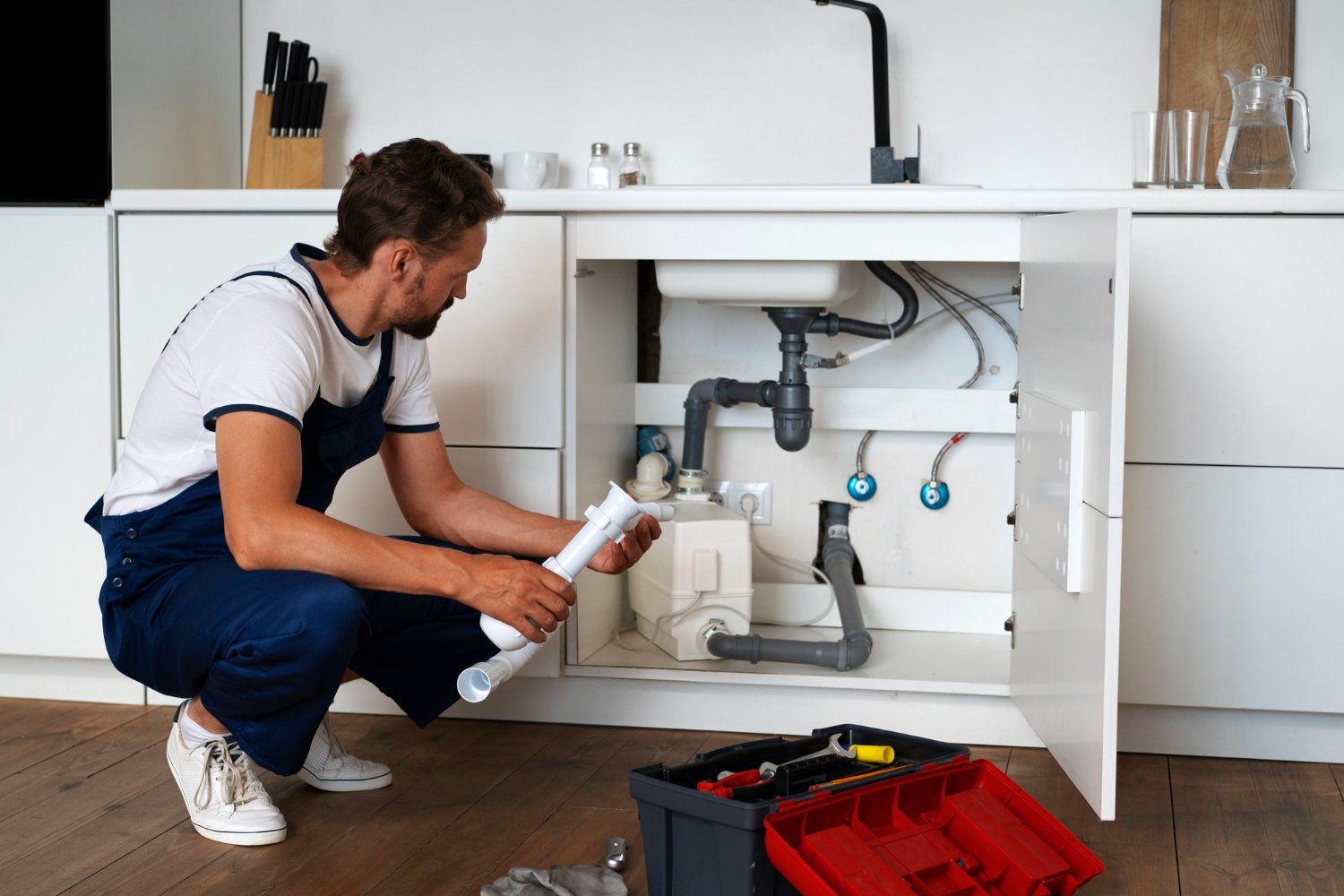
This distinction is key:
- Normal wear and tear includes aging pipes, worn gaskets, and corrosion—landlord’s responsibility.
- Tenant-caused damage includes clogged drains from improper use or neglecting leaks—tenant’s responsibility.
Once, as a tenant, I waited too long to report a leak, and it ended up damaging the cabinet. Later, as a landlord, I faced the opposite situation—a tenant who poured grease down the drain, leading to a $300 repair. I learned both lessons the hard way: clear rules save everyone trouble.
5. The Lease: The Ultimate Reference
Your lease agreement should clearly outline plumbing responsibilities. Without it, confusion reigns.
Key things to include:
- Who handles minor versus major repairs.
- Procedures for reporting plumbing issues.
- Response times for emergencies.
- Move-in and move-out plumbing inspections with photos.
As a landlord, adding these points to my lease not only reduced disputes but also built trust with tenants.
6. Prevention: The Best Investment
A bit of prevention goes a long way:
- Landlords should schedule annual inspections of water heaters, pipes, and drains.
- Tenants should stay alert for early signs of issues: slow drains, unusual noises, or drips.
- Both sides should have an emergency plan: who to call, where the shut-off valve is, and what to do first.
In my experience, the properties where communication was clear had fewer emergencies—and happier tenants.
Keep your rental running smoothly — schedule a preventive plumbing inspection today and avoid costly surprises later!
7. What to Do When Things Go Wrong
Even with the best intentions, plumbing issues happen. When they do:
- Check the lease for repair clauses.
- Document the problem with photos and written reports.
- Communicate quickly and respectfully—don’t assume responsibility before reviewing facts.
- Follow up in writing so there’s a clear record of actions taken.
When I owned my first rental property, I learned that most conflicts could be avoided with fast communication and transparency. Tenants appreciate responsiveness, and landlords appreciate honesty.
8. Quick Reference: Who’s Responsible?
| Issue | Landlord | Tenant |
| Burst pipe | ✅ | |
| Clogged toilet (tenant misuse) | ✅ | |
| Water heater repair | ✅ | |
| Drain cleaning (minor) | ✅ | |
| Leak due to corrosion | ✅ | |
| Reporting small leaks | ✅ |
Final Thoughts
Having walked in both shoes—first as a confused tenant with a burst pipe, then as a landlord managing multiple units—I can say this confidently: clarity prevents conflict.
When both parties understand their plumbing duties, everyone wins. The property stays in good shape, expenses are fair, and communication remains respectful.
So before signing that next lease—or renting out your next property—make plumbing responsibilities crystal clear. It’s a small step that pays off in peace of mind and lower repair costs.