

If you turn on a faucet and get a blast of air, sputtering water, or a weak trickle instead of a steady stream, it’s more than just annoying. Air in your plumbing lines and low water pressure often show up together—and they’re both telling you something about what’s happening inside your pipes.
In Montgomery County, MD, many homes in areas like Gaithersburg, Rockville, Germantown, North Potomac, and the surrounding communities are 25–40 years old, with plumbing systems that have seen plenty of seasons and remodels. Those aging systems are more prone to leaks, corrosion, and pressure issues, which can let air into the lines or choke off flow if you don’t catch problems early.
In this guide, I’ll walk you through:
- How to recognize air in your pipes vs “just” low pressure
- A basic, step-by-step diagnosis you can do safely at home
- Common causes of air in pipes and weak water flow
- When it’s time to stop troubleshooting and call a professional plumber
I’ll also point out where services like Water Line Repair, Video Camera Sewer Inspection, and Water Heater Services naturally come into play.
Air in Pipes vs Low Pressure: How They Fit Together
You can have:
- Low water pressure with no noticeable air.
- Air in the pipes (noisy, sputtering) but normal pressure most of the time.
- Or both at once—which is what really gets homeowners worried.
In simple terms:
- Low pressure is usually about restriction or supply. Something is limiting flow: a clogged aerator, a partially closed valve, a failing pressure regulator, a leak, or a supply issue.
- Air in pipes is about trapped air or air being pulled into the system—for example, after the water has been off, after municipal work in the street, after a repair, or when there’s a leak or vacuum point that lets air in.
Your job as a homeowner is not to diagnose everything perfectly but to recognize patterns that help you decide:
- “This is simple; I can probably fix it myself,” versus
- “This points to a deeper problem in the water line, heater, or underground piping—I should call a pro.”
Signs You’re Dealing With Air in Your Pipes
If you’re wondering whether there’s air trapped in your plumbing, look for these common signs:
- Sputtering or spitting faucets
- When you open a faucet, water comes out in bursts, with pockets of air.
- When you open a faucet, water comes out in bursts, with pockets of air.
- Gurgling or hissing sounds when water is running
- Pipes may “talk” to you as water pushes past air pockets.
- Pipes may “talk” to you as water pushes past air pockets.
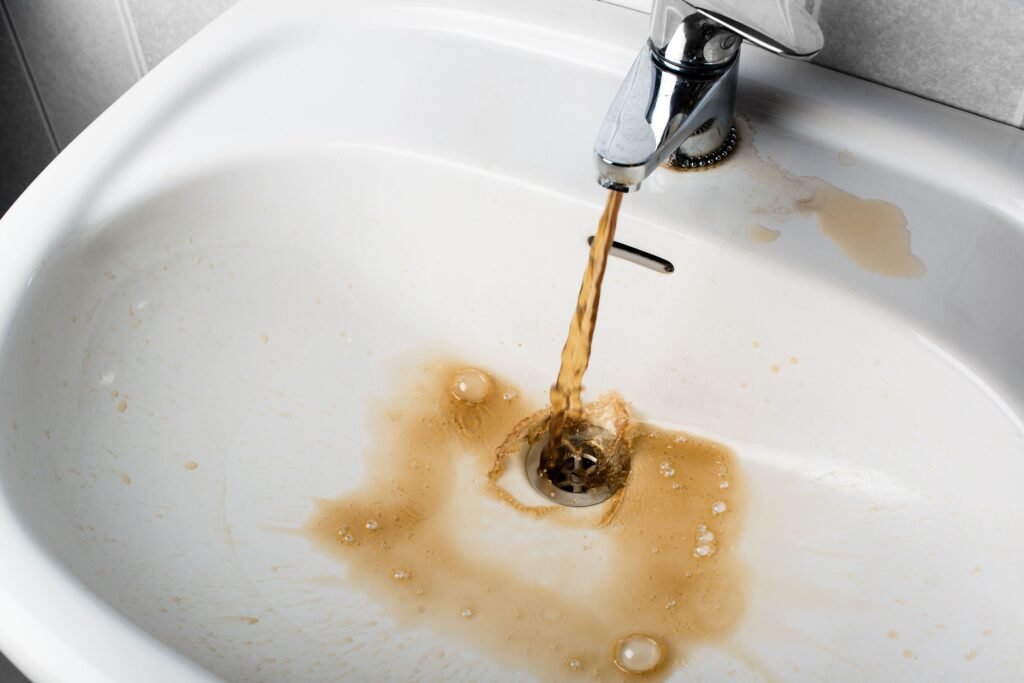
- Cloudy or milky-looking water that clears from the bottom up
- Tiny air bubbles can make water look cloudy in the glass at first.
- Tiny air bubbles can make water look cloudy in the glass at first.
- Intermittent flow at the start, then normal
- The line clears and then behavior stabilizes—until the next time air gets pulled in or trapped.
- The line clears and then behavior stabilizes—until the next time air gets pulled in or trapped.
- Noises after a shutoff or service interruption
- If the water was turned off at the main or the city was working on lines, it’s common to get some air afterward.
- If the water was turned off at the main or the city was working on lines, it’s common to get some air afterward.
Some brief sputtering after the water has been off isn’t unusual. Persistent air, especially combined with low pressure, new noises, or dirty water, is a reason to look more closely.
Experiencing air in your pipes or low water pressure? let our experts fix it fast—contact us today.
Common Causes of Low Water Pressure in Montgomery County Homes
Low water pressure by itself is extremely common. Before you assume the worst, it helps to sort it into categories:
1. One Fixture Only
If only one sink, shower, or appliance has low pressure, it’s often a fixture-level issue, such as:
- Clogged faucet aerator
- Mineral buildup in a showerhead
- A partially closed shutoff under the sink
- A worn cartridge inside the faucet
These are usually good candidates for basic DIY cleaning, as long as you’re comfortable turning off water to that fixture and reassembling it.
2. One Area of the House
If one bathroom or one side of the house has lower pressure:
- You may be dealing with branch line issues (older galvanized pipe, corrosion, partial blockage).
- There could be a valve that isn’t fully open somewhere in that branch.
- In multi-story homes, the second floor sometimes shows weaker pressure if the system is marginal or the pipes were undersized.
This is still diagnosable at home to a point, but it’s also where a pro starts to look at the layout of your plumbing and the materials used.
3. Whole-House Low Pressure
If every faucet and shower in the home feels weak:
- A main shutoff valve that isn’t fully open is a very common culprit.
- A partially closed meter valve (city side) may also restrict flow.
- There could be sediment or corrosion inside older pipes, especially in houses that have never been repiped.
- A failing pressure regulator (PRV) can drop the pressure too low.
- Sometimes, there is a hidden leak in or under the home that’s letting water escape before it reaches your fixtures.
This is where professional Water Line Repair and pressure testing come into play, so you don’t guess at leaks or start opening walls at random.
4. Low Pressure Only on Hot Water
If cold water pressure is normal but hot is weak, that usually points toward:
- Sediment buildup inside your water heater
- A partially closed hot-water shutoff valve
- Older or undersized hot-water piping
In these cases, having a plumber evaluate your heater and piping—through Water Heater Services—is often the fastest way to protect the equipment and restore comfortable flow.
Experiencing air in your pipes or low water pressure? let our experts fix it fast—contact us today.
Step-by-Step Basic Diagnosis for Homeowners
Here’s a practical, basic diagnosis any homeowner in Gaithersburg, Rockville, Germantown, North Potomac, Darnestown, Montgomery Village, Potomac (north), Derwood, Kentlands, or Washington Grove can follow.
Paso 1: Confirmar el patrón
Walk the house and check:
- Is the issue at one faucet, one area, or everywhere?
- Is it hot, cold, or both?
- Do you hear sputtering and gurgling, or just low flow?
Make a quick mental note. This pattern is what you’ll eventually describe to a plumber if you need help.
Step 2: Check the Easy Things First
- Clean aerators and showerheads
- Unscrew the aerator and look for grit or white mineral deposits.
- Soak parts in vinegar, rinse, reassemble, and test again.
- Unscrew the aerator and look for grit or white mineral deposits.
- Open local shutoff valves fully
- Under sinks, behind toilets, and near appliances, confirm that each valve is fully open.
- Under sinks, behind toilets, and near appliances, confirm that each valve is fully open.
- Check the main shutoff valve
- Find the main inside the home (often near where the water line enters the house).
- Make sure it is fully open; sometimes it gets nudged or partially closed during other work.
- Find the main inside the home (often near where the water line enters the house).
If one fixture suddenly jumps back to normal after cleaning or opening a valve, you’ve likely found the culprit.
Step 3: Look for Leak Clues
Low pressure can be a symptom of water escaping somewhere else. Walk around and look for:
- Damp or discolored drywall
- Bubbling paint, stains on ceilings, or warped baseboards
- Extra-green patches in the yard above buried pipes
- Hissing or trickling sounds when no fixtures are running
- A water meter that keeps spinning when all fixtures are off
If you suspect a leak in the main line or a buried section, that’s a strong sign to bring in a professional for Water Line Repair before the damage spreads.
Step 4: Consider Recent Changes
Think back over the last few days or weeks:
- Did the water utility do work on your street?
- Did someone shut off the main to do repairs?
- Has any plumbing work been done inside—new fixtures, new heater, new lines?
Those changes can introduce air into the system, shift debris into aerators, or leave a valve partly closed.
If air and pressure issues started right after such work, it’s a clue that bleeding the lines and checking valves/aerators may be enough. If they persist, the work could have exposed a weak spot in older piping that now needs attention.
Step 5: Bleed Air Out of the Lines Safely
For mild, non-repeating air issues after a shutoff:
- Turn off all faucets and fixtures.
- Open the highest faucet in the house (often an upstairs bathroom sink).
- Open the lowest faucet (often a basement or outdoor spigot).
- Let water run for a few minutes so air can be pushed out of the system.
If, after doing this, you still get constant sputtering, loud gurgling, or strange noises, there may be an issue that’s drawing air into the system—such as a leak or complex piping configuration that needs professional diagnosis.
When Air in Pipes Is Normal (and When It’s Not)
There are times when a little air in the lines is completely expected:
- After the main water supply has been turned off and on
- After plumbing repairs or new fixture installations
- After municipal work on water mains in your street
Sputtering for a day or so, then returning to normal, is usually not a problem.
You should pay closer attention and consider calling a pro when:
- Air and noises keep coming back, even without shutoffs.
- You hear gurgling inside walls alongside low pressure.
- Water looks cloudy or dirty, or you see grit and sediment at multiple fixtures.
- Low pressure and air issues show up together with wet spots outside, sinkholes, or unusually green grass patches, which can indicate a leaking underground water line.
In those situations, a licensed plumber can pressure-test the system and, if needed, use a Video Camera Sewer Inspection to see exactly what’s going on in buried lines. While camera inspections are typically for sewer and drain lines, they often come into play when we’re trying to sort out complex “air, noise, and low pressure” complaints that might involve both water and drain systems.
How Air and Low Pressure Can Damage Plumbing Over Time
It’s easy to treat air in the pipes as “just noisy,” but over time, these problems can lead to:
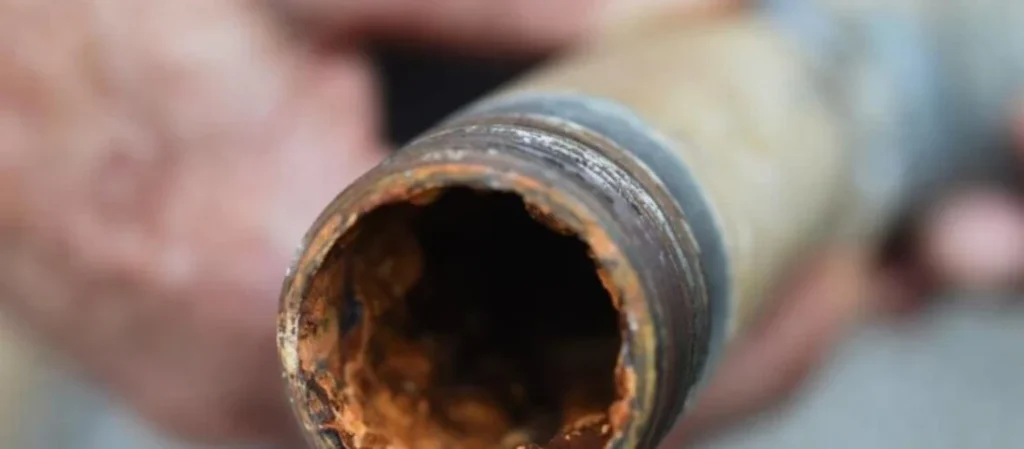
- Increased corrosion at high points where air and water meet
- Stress at fittings and joints if you’re getting repeated “bangs” and surges
- Inconsistent performance from appliances like dishwashers, washing machines, and tankless heaters
- Higher water bills if the real issue is a leak pulling both water and air through a compromised section of pipe
In older homes around Gaithersburg, Rockville, and Germantown—many of which have galvanized or mixed piping—the combination of age, air, and low pressure is often a sign that it’s time to plan repairs or partial repiping rather than patching symptoms year after year.
When to Call a Professional Plumber: A Simple Decision Guide

Here’s a straightforward way to decide when to stop DIY and bring in a local pro like Quince Orchard Plumbing.
You Can Usually Try DIY If:
- Only one faucet or shower has low pressure and/or air.
- The issue improves significantly after:
- Cleaning aerators and showerheads
- Opening local and main shutoff valves fully
- Bleeding air from the lines once after a known shutoff
- Cleaning aerators and showerheads
- There are no signs of leaks, staining, or persistent dampness.
- No unusual odors, sewer smells, or drain slowdowns are happening at the same time.
Call a Plumber Promptly If:
- Low pressure is house-wide and you don’t see an obvious valve or fixture issue.
- You suspect a leak (high water bills, damp spots, meter spinning when no water is in use).
- You have repeating air issues without any recent shutoffs, especially along with low pressure.
- There’s a sudden pressure drop you can’t explain.
- Hot water pressure is significantly lower than cold, or you hear odd noises from the water heater.
- Air, gurgling, or “whooshing” sounds are accompanied by slow drains or foul odors, which can point toward sewer or vent problems rather than just water supply.
In those cases, a professional can:
- Test pressure accurately and safely.
- Inspect and repair the main water line with Water Line Repair.
- Use Video Camera Sewer Inspection to check for blockages, breaks, or root intrusion in your drains if gurgling and slow drains are involved.
- Perform Sewer Line Repair & Replacement where needed.
- Evaluate and upgrade Backflow Prevention Services if you’re experiencing odd cross-connection issues or unexplained contamination.
- Diagnose sediment, valve, or sizing issues around your water heater through Water Heater Services.
How Quince Orchard Plumbing Approaches Low Pressure and Air-in-Pipe Problems
When you call a local plumber for low pressure or air in your pipes, you don’t just want someone to guess. You want a systematic approach.
Here’s how we typically handle these calls in Montgomery County:
- Conversation and pattern-mapping
- We start by asking the same questions you just walked through: where, when, hot vs cold, any recent work or shutoffs.
- We start by asking the same questions you just walked through: where, when, hot vs cold, any recent work or shutoffs.
- Visual and basic tests
- Check accessible valves, exposed piping, and fixtures.
- Inspect water heater connections, PRV (if present), and obvious leak points.
- Check accessible valves, exposed piping, and fixtures.
- Pressure and flow checks
- Use gauges to measure actual pressure, not just “feels weak.”
- Compare different fixtures and levels of the home to see if the problem is localized or system-wide.
- Use gauges to measure actual pressure, not just “feels weak.”
- Deeper investigation where needed
- If we suspect a supply issue, we look toward Water Line Repair.
- If gurgling and low pressure coincide with drain issues, we may recommend a Video Camera Sewer Inspection to evaluate your sewer line.
- If hot water pressure is the main complaint, we focus on the heater and hot-water piping with Water Heater Services.
- If we suspect a supply issue, we look toward Water Line Repair.
- Clear options and next steps
- We explain what we found, what’s urgent, and what can be planned.
- The goal is to protect your home and budget—not to oversell work you don’t need.
- We explain what we found, what’s urgent, and what can be planned.
Simple Maintenance Checklist to Prevent Air and Low Pressure Issues
Here’s a quick, printable-style checklist you can follow once or twice a year:
- Clean faucet aerators and showerheads in kitchens and main bathrooms.
- Make sure you know where your main shutoff valve is and verify it’s fully open.
- Listen for unusual gurgling or hissing when water runs.
- Walk the home to look for any signs of leaks or dampness on walls, ceilings, and floors.
- Peek at your water heater for rust, leaks, or unusual noises—and schedule regular maintenance through Water Heater Services if it’s aging.
- Note any recurring air-in-pipes problems (what fixtures, what time, what you were doing) so you have a clear history if you need to call a plumber.
- If you’ve had sewer backups, slow drains, or unexplained odors, consider scheduling a Video Camera Sewer Inspection before the next rainy season.
Service Area – Montgomery County, Maryland
Quince Orchard Plumbing serves homeowners in north Montgomery County, MD, including:
Gaithersburg (20878), Rockville, Germantown, North Potomac, Darnestown, Montgomery Village, Potomac (north), Derwood, Kentlands, and Washington Grove.
If you live in this area and are dealing with low water pressure, noisy pipes, or air in your plumbing system, we can help you figure out whether it’s a simple fixture fix or a sign of something deeper in your water or sewer lines.