

When you’re buying a home in Gaithersburg, the plumbing system is one of those things you can’t see easily, but it can absolutely blow your budget if something goes wrong after closing.
Most homes in Gaithersburg and the surrounding areas of Montgomery County were built in the 1970s and 1980s, with a mix of townhomes and single-family houses. That means many properties have older water lines, aging water heaters, and drain systems that have already seen decades of use. Mejores Vecindarios+1
A standard home inspection is important, but it often doesn’t go deep enough into plumbing to catch everything. As local plumbers, we’re called out all the time right after a buyer moves in—usually to deal with problems that could have been spotted earlier with a focused plumbing checklist.
This guide gives you a practical, moving-in plumbing checklist tailored to Gaithersburg buyers so you can:
- Know what to look at during showings and inspections
- Decide when to bring in a licensed plumber for a deeper look
- Avoid costly surprises with water lines, sewer lines, and water heaters after you move in
How to Use This Plumbing Checklist
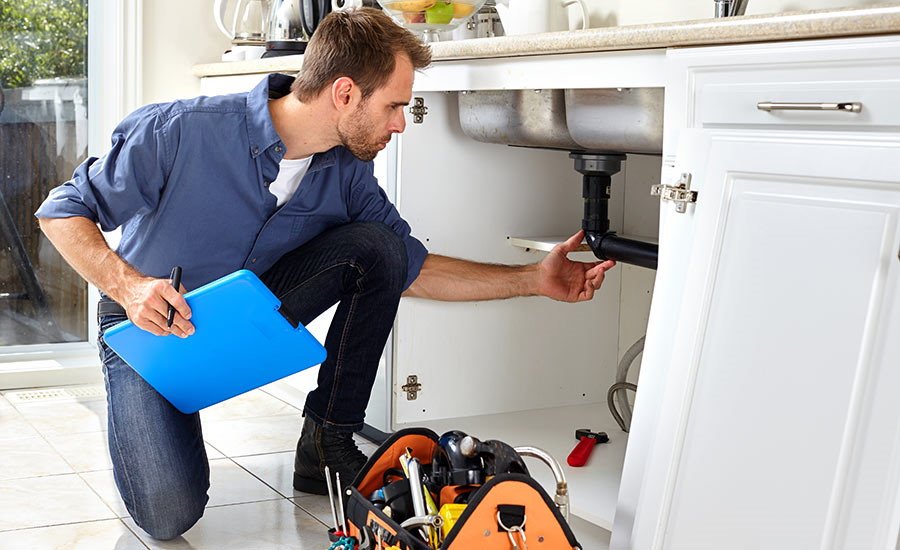
Use this checklist in three key moments:
- During showings / walkthroughs – quick visual checks and basic tests.
- During the inspection period – deeper evaluation with your inspector and, if needed, a plumber.
- Right before moving in – last check to make sure everything still looks good after sellers move out.
Whenever you see something that doesn’t look right—stains, slow drains, strange noises—that’s your cue to ask more questions or bring in a professional.
First Stop: Locate the Main Water Shutoff and Meter
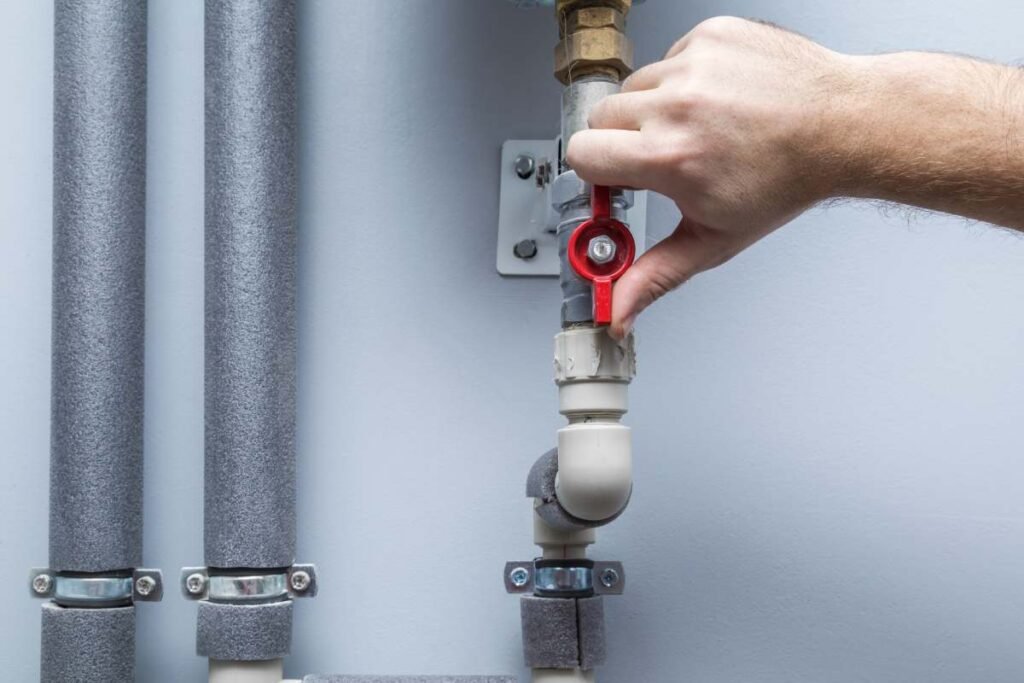
Before anything else, you need to know how to turn the water off in an emergency.
- Find the main shutoff valve inside the home (often where the water line enters from the street or garage).
- Verify that:
- It’s accessible, not buried behind storage or finished walls.
- It turns relatively smoothly (stiff valves may need replacement).
- It’s accessible, not buried behind storage or finished walls.
- If possible, identify the water meter location and confirm you can get to it.
Knowing this location is critical if you ever have a burst pipe, a leaking water heater, or a failed fixture. As a buyer, a main shutoff that’s inaccessible or extremely corroded is something to negotiate and to plan to replace.
Main water line problems—leaks in the service line between the street and the house—are usually the homeowner’s responsibility in Montgomery County, not WSSC Water’s, which makes a solid Water Line Repair plan important for older properties. wsscwater.com+2montgomerycountymd.gov+2
Toilets, Sinks, and Showers: Functional Checks You Can Do Yourself
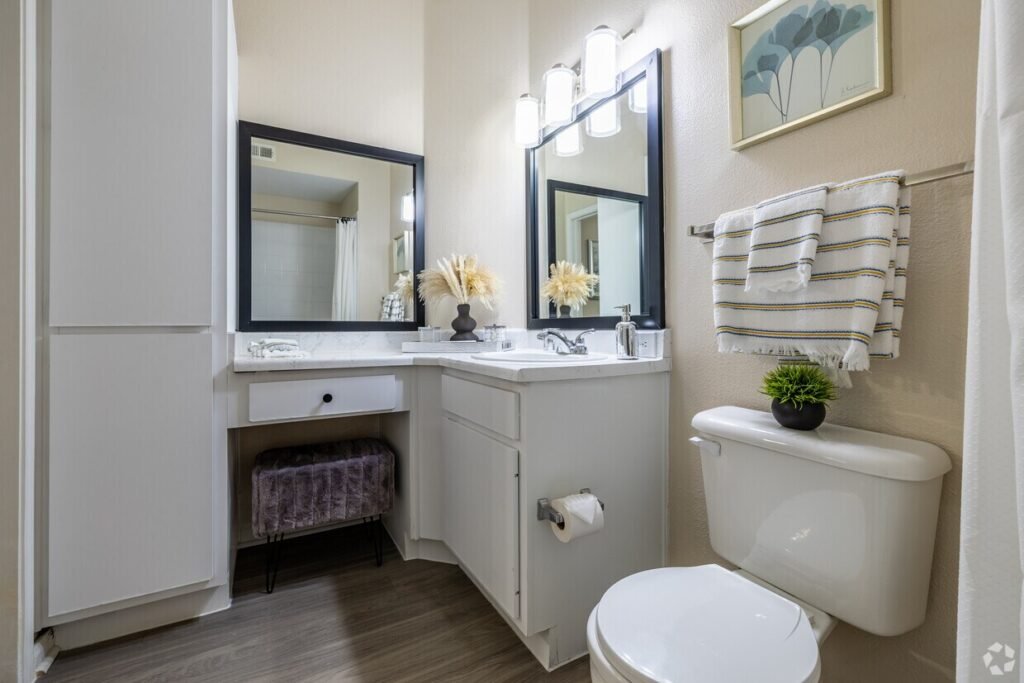
During your tour or inspection window, take the time to actually use the fixtures, not just glance at them.
Toilets
- Flush every toilet in the house. Evenflo Plumbing+2Angi+2
- Watch for:
- Weak or slow flushes
- Toilets that keep running
- Water seeping around the base
- Weak or slow flushes
- Look behind the toilet for:
- Corrosion or mineral buildup at the supply connection
- Evidence of past leaks or staining on the floor or wall
- Corrosion or mineral buildup at the supply connection
Persistent running toilets and poor flush performance can indicate hidden leaks or poor design in the drain line.
Faucets and Showers
- Turn on every faucet and shower:
- Check for good, even flow from both hot and cold. Evenflo Plumbing+2Budget Plumbing+2
- Look for sputtering, sudden pressure drops, or water hammer (banging noises).
- Note any rusty, cloudy, or discolored water that doesn’t clear quickly.
- Check for good, even flow from both hot and cold. Evenflo Plumbing+2Budget Plumbing+2
- Under each sink:
- Open the cabinet and look for stains, swelling, or soft wood.
- Check for flexible supply lines that look old, kinked, or corroded.
- Open the cabinet and look for stains, swelling, or soft wood.
Uneven pressure, especially in multiple fixtures, can point to broader issues in the supply lines or pressure regulation. That’s the moment to consider having a plumber verify pressures and inspect for leaks—work that often ties directly into Water Line Repair and Water Heater Services if hot water flow is affected.
Pipe Materials and Visible Plumbing: What Are You Buying?
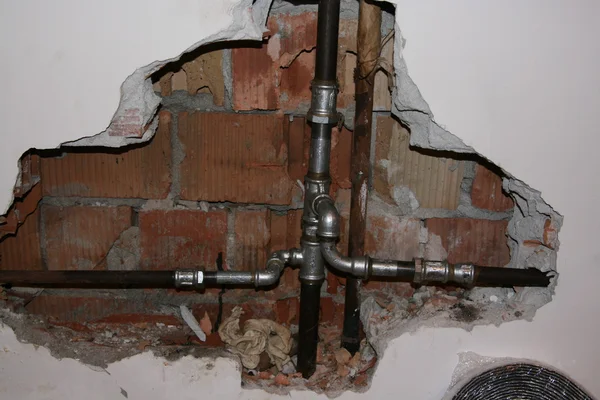
Whenever you can see exposed pipes—unfinished basements, utility rooms, or under sinks—take a close look.
- Ask or note:
- What type of supply pipe is in use? Copper, PEX, galvanized steel, or older plastic like polybutylene? Evenflo Plumbing+2howtolookatahouse.com+2
- Are there signs of corrosion, pinhole leaks, or patch repairs?
- Do you see mixed materials joined together with many adapters?
- What type of supply pipe is in use? Copper, PEX, galvanized steel, or older plastic like polybutylene? Evenflo Plumbing+2howtolookatahouse.com+2
Older galvanized pipes and certain legacy plastics have known issues with corrosion, internal buildup, and failure over time, especially in homes built in the 70s and 80s. howtolookatahouse.com+2Campbell & Company+2
If you see a lot of old galvanized or suspicious plastic runs, it’s wise to budget for future pipe replacement and ask a local plumber to estimate rough costs and priorities.
Ready to move into your new home in Gaithersburg? Don’t risk plumbing surprises — schedule your professional pre-purchase plumbing inspection today.
Water Heater: Age, Condition, and Safety
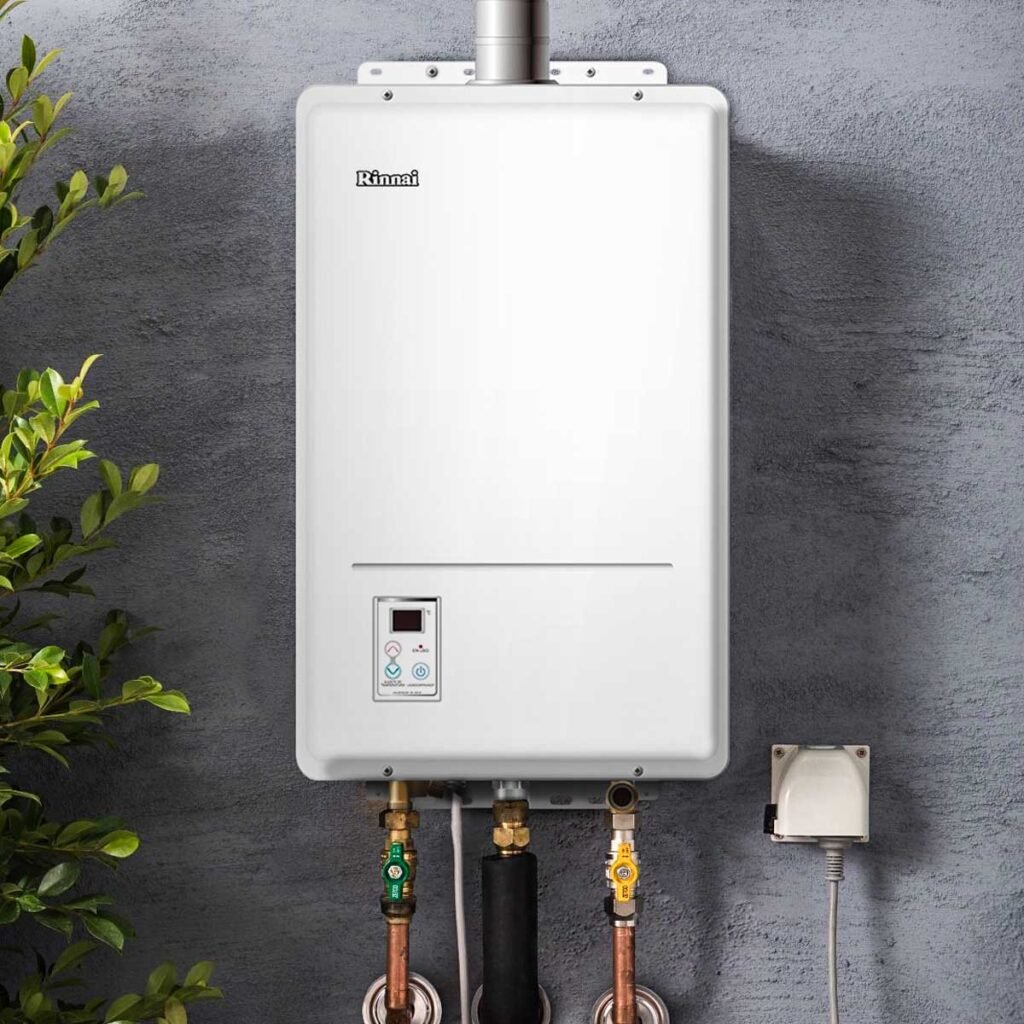
The water heater is one of the most expensive single plumbing components in the house, and also one of the most predictable to inspect.
When you see the heater:
- Find the manufacture date on the label (or decode the serial number).
- Ask the seller or agent:
- How old is it?
- Has it ever been serviced or flushed?
- How old is it?
- Visually inspect:
- Signs of rust or corrosion on the tank, connections, or base.
- Leaks or dried mineral trails down the side.
- Whether the unit is elevated appropriately (especially in garages).
- Signs of rust or corrosion on the tank, connections, or base.
- If it’s gas:
- Look for a reasonably clean burner area and no obvious soot or scorching.
- Look for a reasonably clean burner area and no obvious soot or scorching.
Most tank water heaters last around 8–12 years under typical conditions. An older unit that’s already showing rust or leaks is something you can use in negotiations—or plan to replace soon after closing with the help of professional Water Heater Services. Angi+2P.I. Inspections+2
Drains, Sewer Lines, and Basement: The Hidden Risk Zone
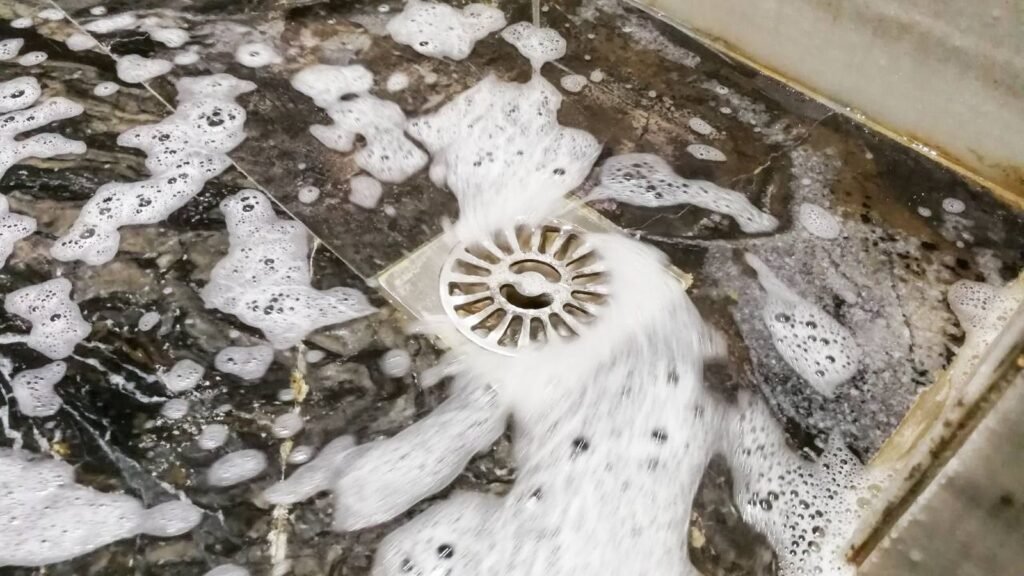
Water supply issues can be inconvenient, but sewer and drainage problems are the ones that really ruin move-in day.
Test Every Drain
- Run water at sinks, tubs, and showers for a couple of minutes:
- Watch how fast it drains.
- Listen for gurgling or “glugging” noises.
- Pay attention to any sewer or musty odors. Angi+2P.I. Inspections+2
- Watch how fast it drains.
Slow drains, recurring odors, or gurgling can be early signs of partial blockages, venting issues, or a sewer line that’s beginning to fail.
Check Basements and Crawlspaces
In Gaithersburg and nearby areas, many homes have basements or crawlspaces. These spaces tell the truth about water and sewer issues:
- Look for:
- Water stains on walls or floors.
- Evidence of previous repairs to drain or sewer lines (patches, mismatched piping, odd angles).
- Unprofessional repairs—taped joints, flex connectors where they shouldn’t be, or obvious DIY work. Evenflo Plumbing+2P.I. Inspections+2
- Water stains on walls or floors.
If you see patched sewer lines, floor drains, or a history of basement moisture, it’s a smart move to schedule a Video Camera Sewer Inspection before closing. That’s the best way to confirm if the sewer line is clear, intact, and correctly sloped, or if there are roots, cracks, or sags that could cause sewage backups once you move in.
WSSC Water makes it clear that the portion of sewer service from the property line to the house—where many common failures occur—is usually the homeowner’s responsibility. wsscwater.com+2wssc.district.codes+2
If a camera inspection reveals structural issues, Sewer Line Repair & Replacement becomes part of your negotiation strategy or move-in budget.
Rain Drains, Downspouts, and Sump Pump (If Present)
Evenflo’s checklist rightly points out that rain drains and downspouts matter when you’re buying a house. Evenflo Plumbing+2Angi+2
- Walk the perimeter:
- Are downspouts extended away from the foundation?
- Are there visible yard drains, and do they seem clogged or broken?
- Are downspouts extended away from the foundation?
- In the basement/crawlspace:
- Look for a sump pump and pit.
- Check for staining that suggests previous flooding.
- Look for a sump pump and pit.
A poorly managed drainage system or a failing sump pump can push water toward your foundation and sewer lines, increasing the risk of backups and basement damage. If you see warning signs here, ask in your inspection period whether a camera inspection or drainage upgrades are recommended.
Outdoor Plumbing: Hose Bibs and Irrigation
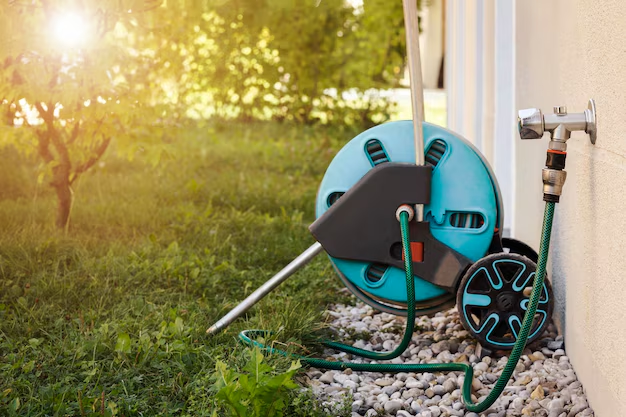
Don’t forget the plumbing you can see outside:
- Test every hose bib:
- Make sure it turns easily and shuts off fully.
- Look for leaks around the stem or inside the basement where the pipe passes through the wall. Evenflo Plumbing+2Angi+2
- Make sure it turns easily and shuts off fully.
- Ask:
- Are the outdoor faucets frost-free or standard?
- Have there been any winter freeze issues in the past?
- Are the outdoor faucets frost-free or standard?
Frozen and split exterior lines are a common source of hidden leaks and surprise repairs for new owners—especially if a previous owner left hoses attached all winter.
If the home has irrigation systems or exterior backflow devices, it’s worth confirming that they’ve been properly winterized and tested. That’s where Backflow Prevention Services become important, both for safety and for complying with local cross-connection rules. wssc.district.codes+1
Pressure, Flow, and Water Quality: Ask, Test, Verify
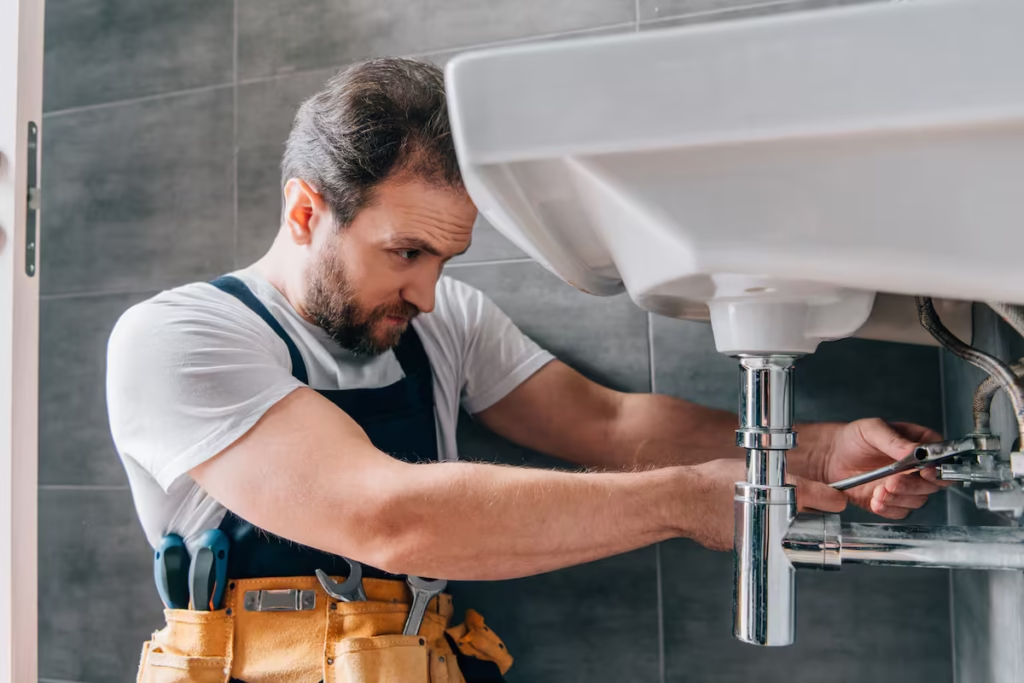
Even if everything “looks fine,” you want to know if the home has healthy water pressure, stable flow, and acceptable water quality.
During your inspection period, consider:
- Asking your inspector or plumber to measure water pressure:
- Typical residential pressure is often in the 40–60 psi range. Very low pressure can mean supply limitations or hidden restrictions. Budget Plumbing+2Plumbers In Orland Park+2
- Typical residential pressure is often in the 40–60 psi range. Very low pressure can mean supply limitations or hidden restrictions. Budget Plumbing+2Plumbers In Orland Park+2
- Asking the seller for:
- Any history of line repairs, WSSC claims, or sewer backups. wsscwater.com+2wssc.district.codes+2
- Records of water heater replacement or pipe replacement.
- Any history of line repairs, WSSC claims, or sewer backups. wsscwater.com+2wssc.district.codes+2
If your inspector flags irregularities or if the home is part of a neighborhood known for older plumbing materials, it’s wise to have a local plumber give a second opinion—especially if you’re already stretching your budget for the purchase.
Ready to move into your new home in Gaithersburg? Don’t risk plumbing surprises — schedule your professional pre-purchase plumbing inspection today.
When to Bring in a Plumber Before You Buy
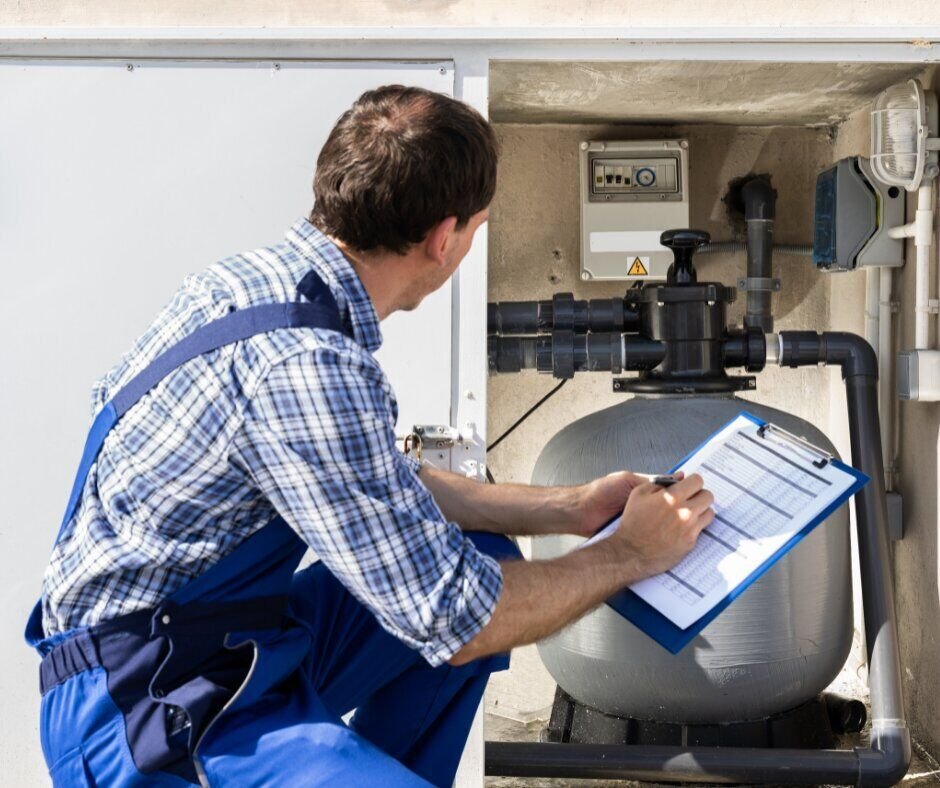
You don’t need a plumber for every minor concern, but you definitely should consider scheduling a pre-purchase plumbing inspection with a licensed local pro when:
- The home is older (1970s–1980s) and still has original plumbing in many areas. Campbell & Company+3Mejores Vecindarios+3ArcGIS StoryMaps+3
- You see:
- Repeated signs of past leaks (stains, patches)
- Mixed piping materials and DIY repairs
- Slow drains, gurgling, or sewer odors in more than one area
- Repeated signs of past leaks (stains, patches)
- The water heater is clearly near the end of its life or shows visible damage. Angi+2P.I. Inspections+2
- There’s a history of sewer backups or the yard has large trees near the sewer path. wsscwater.com+2homealliance.com+2
- You’re buying a home with a finished basement, where plumbing problems can be especially expensive to fix.
In those situations, a local plumber can:
- Perform a focused plumbing inspection on top of the standard home inspection. Angi+2P.I. Inspections+2
- Use Video Camera Sewer Inspection to document the condition of the sewer line.
- Evaluate your water line and pressure, recommending Water Line Repair if needed.
- Assess water heater condition and sizing with Water Heater Services.
- Review and recommend any needed Backflow Prevention Services for irrigation, hose bibs, or other cross-connections.
The cost of this kind of plumbing due diligence is usually tiny compared to the price of the home—and it can give you leverage to renegotiate, request repairs, or, in some cases, walk away from a bad deal. Investopedia+2Angi+2
Quick Moving-In Plumbing Checklist (Summary)
Here’s a condensed list you can keep handy:
- Find and test the main water shutoff.
- Flush every toilet; check for leaks and weak flushes.
- Run all faucets and showers; note pressure, sputtering, or discoloration.
- Look under sinks for stains, swelling, and leaks.
- Identify pipe materials where visible; note any galvanized or questionable plastic.
- Inspect the water heater for age, rust, and leaks.
- Run all drains and listen for gurgling; note any slow or smelly drains.
- Walk the basement/crawlspace for water stains and DIY plumbing.
- Test hose bibs and look for exterior leaks.
- Ask about any past water line or sewer line repairs or backups.
- For older homes or any red flags, schedule:
- A plumbing inspection with a licensed plumber.
- A Video Camera Sewer Inspection if there are concerns about the sewer line.
- A plumbing inspection with a licensed plumber.