

In Maryland, your plumbing system works hard through humid summers, heavy spring rains, and freezing winter nights. Whether you live in Gaithersburg, Rockville, Germantown, North Potomac, or elsewhere in Montgomery County, your pipes, drains, and water heater are dealing with real seasonal stress—not just “normal wear and tear.”
Most homeowners only think about plumbing when something goes wrong. By then, a small leak has become a stained ceiling, a slow drain has turned into a sewer backup, or a tired water heater has completely failed on a cold morning.
This year-round plumbing maintenance checklist is designed specifically for Maryland homeowners. Use it to:
- Stay ahead of leaks, clogs, and frozen pipes
- Protect finished basements and older piping common in Montgomery County
- Know when DIY is enough and when to call a local professional like Quince Orchard Plumbing
How to Use This Checklist
Think of this as your plumbing “maintenance plan” for the year:
- A core list of tasks to check at least once a year
- Seasonal sections for winter, spring, summer, and fall
- Clear indicators of when it’s smart to bring in a professional
If you’d like, you can copy the headings into a note on your phone or print them to keep with other home records.
Core Annual Plumbing Checklist (Any Time of Year)
These are the big-picture items every Maryland homeowner should review at least once a year.
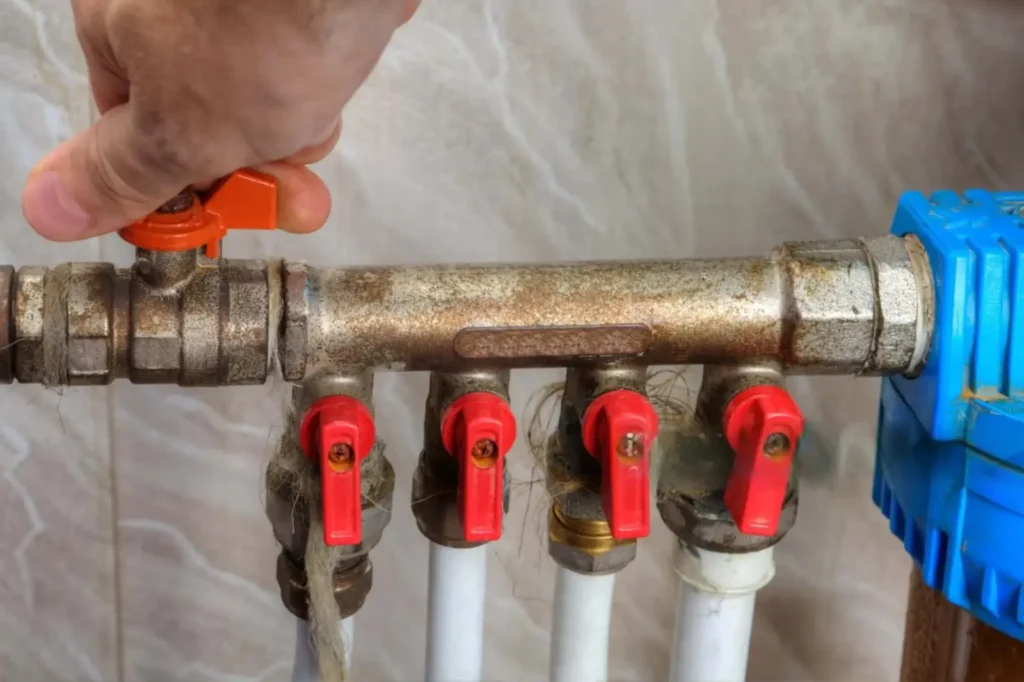
Find and Test Your Main Water Shutoff
- Locate your main water shutoff valve (often where the main line enters the house or near the water meter).
- Make sure it’s:
- Accessible (not buried behind boxes or finished walls)
- Turning smoothly without seizing
- Accessible (not buried behind boxes or finished walls)
- Let everyone in the household know where it is.
In an emergency—burst pipe, failed water heater—being able to shut the water off quickly can prevent thousands of dollars in damage and make any later Water Line Repair much easier.
Inspect for Visible and Hidden Leaks
Once a year (and honestly, more often is better), walk the house:
- Look under kitchen and bathroom sinks for:
- Drips, stains, or warped cabinet bottoms
- Signs of mold or musty smells
- Drips, stains, or warped cabinet bottoms
- Check around:
- Toilet bases
- Tub/shower surrounds
- Ceilings below bathrooms or laundry rooms
- Toilet bases
- Outside, check hose bibs and exposed piping for damp spots or green staining.
The EPA’s WaterSense program recommends monitoring faucets and under-sink connections for drips and puddling as a basic home maintenance step. US EPA+1
Any consistent dampness, bubbling paint, or unexplained staining is a good reason to have a plumber investigate for leaks or failing water lines.
Test Your Home’s Water Pressure
Healthy water pressure protects your pipes and fixtures:
- Use a simple pressure gauge on an outdoor spigot.
- A commonly recommended range is around 40–60 PSI for most homes; significantly lower or higher can indicate problems. Prime Plumbing -+1
If your pressure is consistently low or very high:
- Low pressure may point to leaks, partially closed valves, or an issue in the main water line.
- High pressure can stress pipes, fixtures, and your water heater.
In either case, it’s smart to talk to a local plumber about further testing and possible Water Line Repair or pressure regulation.
Flush and Inspect Your Water Heater
Water heating accounts for about 18% of your home’s energy use, so a neglected water heater costs you money every month and is more likely to fail suddenly. The Department of Energy’s Energy.gov+2A. O. Smith+2
At least once a year:
- Carefully drain a few gallons from the tank (or have it fully flushed) to remove sediment.
- Look for:
- Rust or corrosion at the base or fittings
- Signs of leakage
- Unusual noises (popping, rumbling)
- Rust or corrosion at the base or fittings
If your water heater is approaching or past 10 years old, or showing signs of failure, it’s time to discuss repair or replacement with professional Water Heater Services.
Check All Drains for Slow Flow
- Run water in every sink, tub, and shower.
- Note any slow drains, gurgling noises, or sewer smells.
Slow drains in multiple locations, or recurring clogs, can signal issues deeper in your drain or sewer line. That’s when a Video Camera Sewer Inspection becomes extremely valuable to see what’s happening inside the pipe before you end up with a full backup.
Test Toilets and Local Shutoff Valves
- Flush each toilet and watch for:
- Weak flushes
- Tanks that run continuously
- Water seepage at the base
- Weak flushes
- Use a bit of food coloring in the tank—if it appears in the bowl without flushing, you have a silent leak. Prime Plumbing -+1
- Turn local shutoff valves under sinks and behind toilets off and back on to ensure they still move freely.
Don’t wait until it’s too late — book a full plumbing inspection for your new home now and avoid costly surprises.
Winter: Protect Pipes and Plumbing from Maryland Freezes
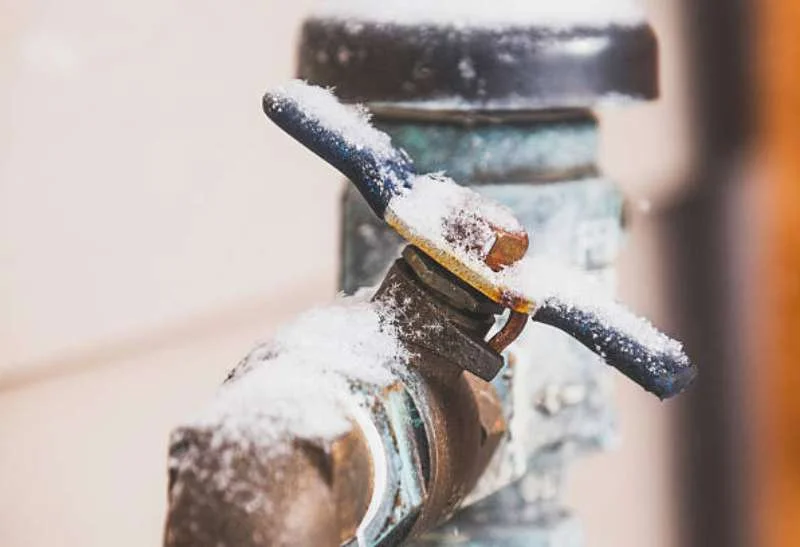
Maryland winters aren’t the coldest in the country, but we absolutely see temperatures drop low enough to freeze and burst pipes—especially in uninsulated basements, garages, and exterior walls. Patch+3Servicio de Alcantarillado y Plomería Maryland+3Clarksburg Plumbing, LLC+3
Insulate Vulnerable Pipes
Focus on:
- Basements
- Crawl spaces
- Garages
- Unfinished utility rooms
- Pipes along exterior walls
Use foam pipe sleeves or appropriate insulation. In especially vulnerable spots, heat tape (installed correctly) can provide extra protection.
Protect Outdoor Faucets and Hose Bibs
Before the first hard freeze:
- Disconnect garden hoses from all outdoor spigots.
- If you have interior shutoff valves for exterior faucets, close them and drain the outside portion.
- Consider insulated covers for outdoor spigots.
This simple step can prevent cracked exterior lines, leaks inside walls, and costly water line repairs in spring.Maryland Plumbing Services+2Servicio de Alcantarillado y Plomería Maryland+2
Consider Dripping Faucets During Extreme Cold
During very cold snaps (around 20°F or below), some experts recommend allowing certain faucets—especially those on exterior walls—to drip slowly to keep water moving. Homes and Gardens+1
If you’re unsure which lines are most at risk, a quick consultation with a plumber can help identify the best approach for your home.
Check Sump Pump and Basement Before Snow and Ice
If you have a basement, this is a good time to:
- Test your sump pump by slowly pouring water into the pit and verifying that it activates and discharges properly.Prime Plumbing -+1
- Confirm the discharge line outside is not blocked, buried, or likely to freeze at the outlet.
If you’ve ever had basement moisture or sewer backups in winter, this is a strong reason to consider a Video Camera Sewer Inspection and, if needed, Sewer Line Repair & Replacement before the next big storm.
Spring: After the Thaw and Heavy Rains
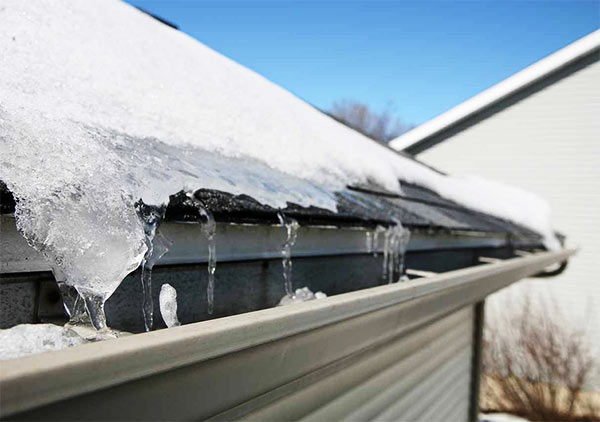
Spring in Maryland brings heavy rain and rapid snowmelt, which can put real pressure on your drainage and sewer systems. Crystal Water Plumbing+2Servicio de Alcantarillado y Plomería Maryland+2
Walk the Exterior and Check Drainage
- Clean gutters so they don’t overflow onto siding and near foundation walls.
- Make sure downspouts extend away from the house.
- Look for low spots where water collects—these can contribute to seepage and sewer issues.
Test Sump Pump Again Before the Rainy Season
- Pour a bucket of water into the sump pit.
- Confirm the pump:
- Turns on quickly
- Empties the pit
- Shuts off when the water level drops
- Turns on quickly
If your pump is old, noisy, or unreliable, spring is a good time to plan upgrades—before thunderstorms and summer tropical systems arrive.
Inspect for Winter Damage
- Check for any new cracks or stains on basement walls and floors.
- Re-inspect exposed plumbing for signs of freeze damage or new leaks.
- Review your winter water bills for unexplained spikes that might indicate a slow leak.
If you suspect an underground leak or damage in the main line, it’s time to talk about Water Line Repair instead of just patching symptoms.
Summer: High Usage and Hidden Water Waste
Summer in Montgomery County means more showers, laundry, gardening, and outdoor water use. That’s why it’s a perfect time to look for hidden water waste.
Check Outdoor Faucets, Irrigation, and Hose Bibs
- Run each outdoor faucet and look for:
- Drips when off
- Leaks at the wall penetration
- Water pooling near the foundation
- Drips when off
- Inspect any irrigation zones for:
- Broken or misaligned heads
- Constantly damp patches of lawn
- Overspray that hits the house instead of the yard.Crystal Water Plumbing+1
- Broken or misaligned heads
If you have backflow prevention devices on irrigation or outdoor systems, summer is a convenient time to schedule inspection and testing through professional Backflow Prevention Services.
Review Your Water Bill
- Compare your summer water usage to previous years.
- Sudden unexplained increases can signal:
- Underground leaks
- Running toilets
- Irrigation issues
- Underground leaks
When the numbers don’t match your habits, a plumber can help track down the source with leak detection, meter tests, and sometimes Video Camera Sewer Inspection if drains are also sluggish.
Check for Slow Drains and Odors
Warm weather amplifies smells and bacterial growth. If you notice:
- Persistent sewer odors
- Gurgling sinks
- Multiple slow drains
don’t wait. It’s often better (and cheaper) to address developing sewer issues in summer than in the middle of a winter storm.
Fall: Get Ready for the Next Heating Season
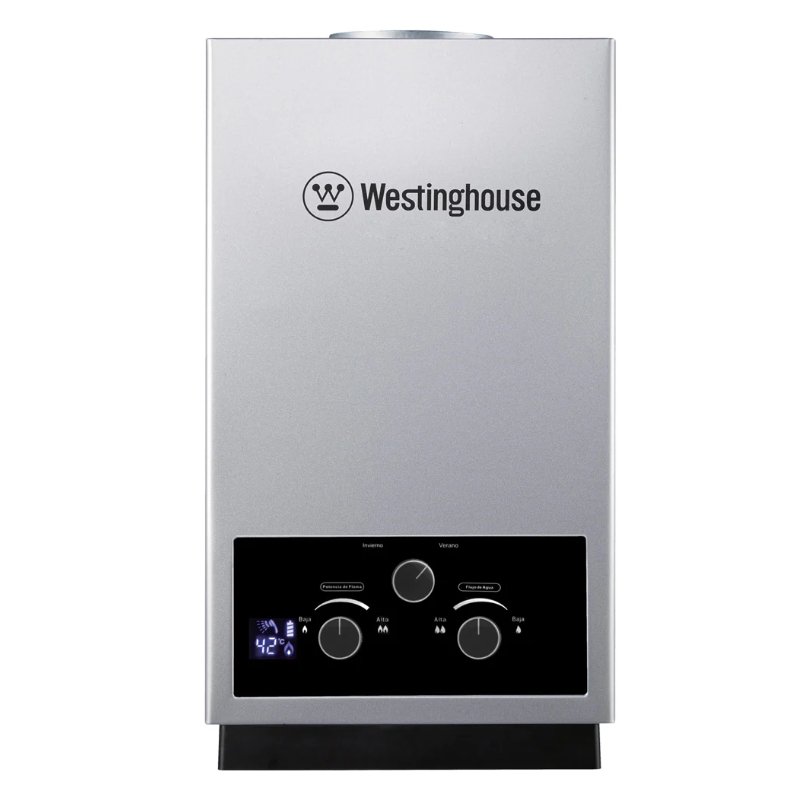
Fall is your “reset” period—time to get everything ready before freezing temperatures return.
Flush and Service the Water Heater
As Crystal Water notes, many Maryland homeowners ask how often they should flush their water heater; once a year is a common recommendation for our water conditions. Crystal Water Plumbing+2Prime Plumbing -+2
- Flush sediment from the tank.
- Check for any new corrosion, leaks, or noises.
- Confirm the temperature is set safely (typically around 120°F is often recommended to balance safety and efficiency). The Department of Energy’s Energy.gov+1
If you’ve had issues with hot water supply, inconsistent temperature, or an aging tank, fall is an ideal time to schedule Water Heater Services before winter demand peaks.
Inspect and Protect Outdoor Plumbing Again
- Disconnect hoses before night temperatures dip regularly below freezing.Maryland Plumbing Services+1
- Shut off and drain exterior lines where interior shutoffs exist.
- Schedule winterization for any sprinkler or irrigation systems.
Schedule a Professional Plumbing Inspection (Optional but Smart)
As Maryland Plumbing Services suggests, a professional inspection toward the end of the year can catch issues that DIY checks might miss, using tools like cameras, pressure gauges, and advanced leak detection. Maryland Plumbing Services+2Prime Plumbing -+2
A fall or year-end visit is a great time for a plumber to:
- Evaluate overall system health
- Check your water and sewer lines
- Confirm that backflow prevention and sump systems are in good shape before winter
Don’t wait until it’s too late — book a full plumbing inspection for your new home now and avoid costly surprises.
DIY vs Professional Maintenance: Where to Draw the Line
Many tasks on this checklist are safe DIY items:
- Looking for visible leaks and stains
- Cleaning aerators and showerheads
- Testing toilets and basic drains
- Flushing small amounts from the water heater (if you’re comfortable)
- Visual checks on exposed plumbing and outdoor fixtures
You should strongly consider calling a professional when:
- You see recurring or unexplained leaks or damp spots
- Water pressure is consistently too low or too high throughout the home
- Multiple drains are slow, or you notice recurring sewer odors or backups
- Your water heater is old, noisy, leaking, or struggling to keep up
- You suspect issues with your main water or sewer lines
That’s where services like Water Line Repair, Sewer Line Repair & Replacement, Video Camera Sewer Inspection, Backflow Prevention Services and Water Heater Services come together as part of a complete, year-round maintenance strategy.
Quick Year-Round Plumbing Maintenance Checklist (Summary)
You can use this as a printable summary:
- Find and test the main water shutoff
- Inspect for visible and hidden leaks (inside and outside)
- Check and adjust water pressure if needed
- Flush and inspect the water heater annually
- Run and observe all drains for slow flow or odors
- Test toilets and local shutoff valves
- Winter: insulate pipes, protect outdoor faucets, test sump pump
- Spring: check drainage, sump pump, and winter damage
- Summer: inspect outdoor plumbing, irrigation, and water bills
- Fall: flush water heater, prepare outdoor plumbing, consider pro inspection