

If you have a basement or crawl space in Montgomery County, MD, your sump pump is the quiet hero that keeps everything dry when the weather turns ugly. But like any safety system, it only protects you if it’s actually ready before those storm clouds roll in.
In this guide, I’ll walk you through a practical, homeowner-friendly plan for sump pump readiness:
- What to check every quarter
- How to test your sump pump and backup system
- Which backup options make sense for stormy days and power outages
- How alarms and monitoring can save you from a flooded basement at 2 a.m.
All with a local lens on Gaithersburg, Rockville, Germantown, North Potomac and the rest of north Montgomery County, where many homes are 25–40 years old, have finished basements, and see plenty of heavy summer storms and snowmelt.
Why Sump Pump Readiness Matters in Montgomery County, MD
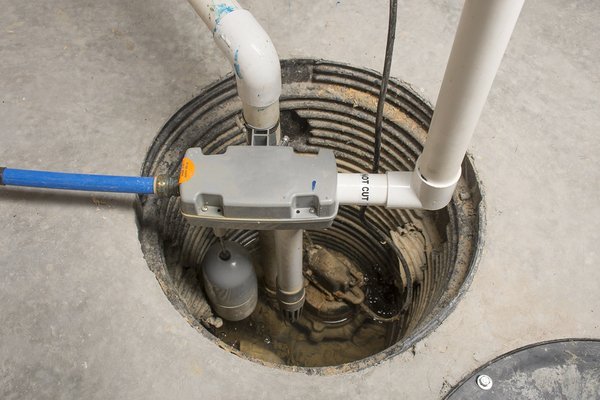
In north Montgomery County, a lot of homes are older but well maintained, with finished basements, storage rooms, and mechanical spaces packed with water heaters, HVAC equipment, and family keepsakes. Heavy summer thunderstorms and rapid snowmelt put real pressure on your foundation drains and sump system.
When a sump pump fails during a storm, three things usually happen fast:
- Water rises around your foundation and seeps into the basement.
- Personal belongings and finishes get damaged – flooring, drywall, furniture, stored items.
- Mold growth and structural issues can follow if the water isn’t removed quickly.
Most failures we see fall into a few buckets:
- The pump wasn’t tested before the storm.
- The float switch stuck in one position.
- The discharge line was blocked or frozen.
- The power went out and there was no backup.
The good news: a simple quarterly testing routine, plus a backup and a basic alarm, drastically lowers your risk of waking up to a flooded basement.
Don’t wait for the next storm to find out your sump pump isn’t ready. Schedule a professional sump pump inspection and backup system check today.
How Your Sump Pump System Works (Quick Overview)
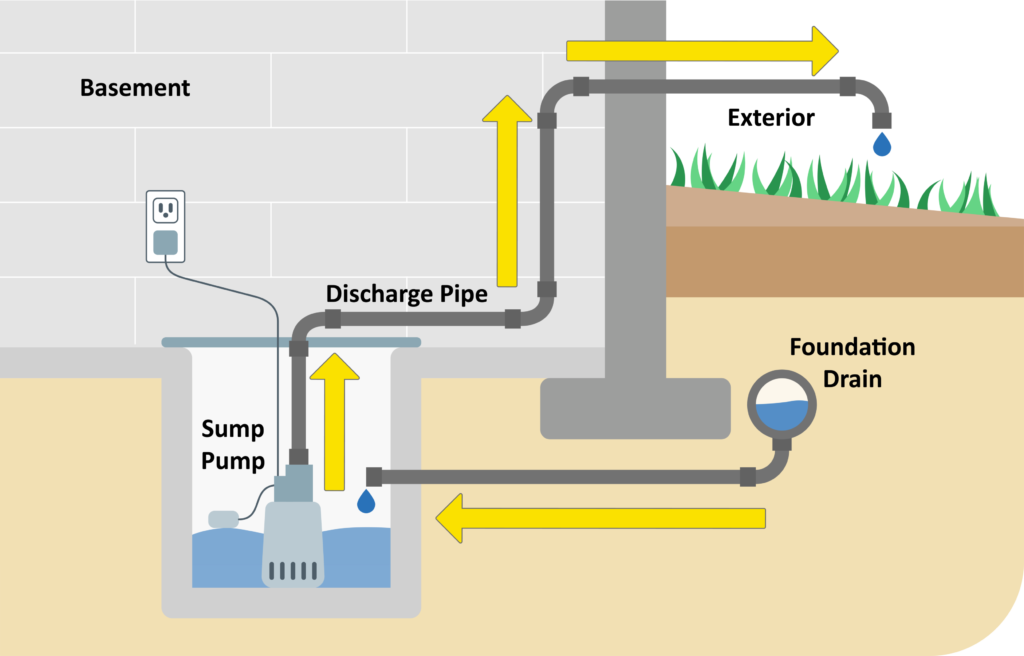
Before we talk testing and backups, it helps to know what you’re looking at in the pit.
Key components:
- Sump pit (sump basin) – The lined “well” in the lowest part of the basement where groundwater collects.
- Primary sump pump – The main pump that removes water from the pit and discharges it safely away from the house.
- Float switch – The device that turns the pump on and off when water rises and falls.
- Discharge line & check valve
- The discharge line carries water outside.
- The check valve prevents water from flowing backward when the pump shuts off, which protects the pump and reduces cycling.
- The discharge line carries water outside.
- Power supply – Usually a standard 120V outlet. During a power outage, a standard pump stops immediately.
- Backup system (optional but highly recommended) – Battery backup, water-powered pump, or generator-powered solution that keeps you protected when the power goes out.
- Alarm / monitoring (optional but powerful) – From a simple high-water alarm to full 24/7 monitoring with smartphone alerts.
If any of these parts fail—or if the system can’t run because the power is out—your home in Gaithersburg, Rockville, Germantown or nearby can go from “dry and safe” to “ankle-deep in water” surprisingly fast.
How Often Should You Test Your Sump Pump?
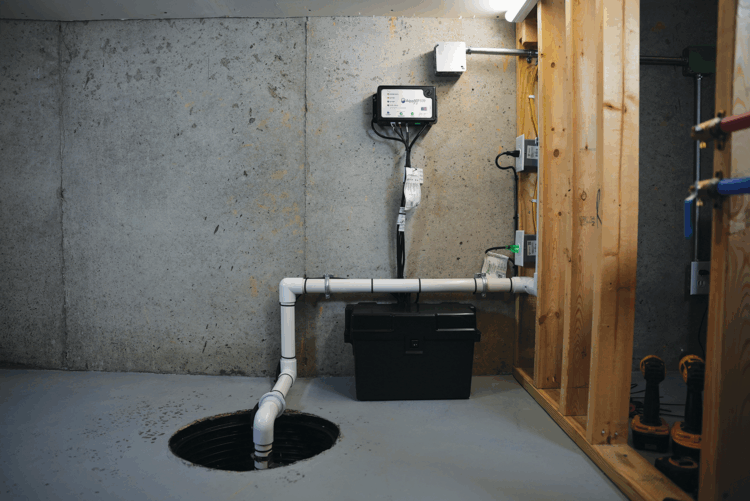
You’ll see different opinions online:
- Some guides recommend testing once or twice a year, especially before spring thaw or heavy summer storms.
- Other sump pump specialists recommend testing at least every three months—quarterly—to catch problems before the next big storm.
In a storm-prone, basement-heavy area like Montgomery County, MD, a realistic and proactive schedule is:
- Quick visual check:
- Once a month (takes 1–2 minutes).
- Once a month (takes 1–2 minutes).
- Full functional test:
- Quarterly – every 3 months.
- Quarterly – every 3 months.
- Professional inspection:
- Every 1–2 years, or sooner if your pump runs very often or is more than 7–10 years old.
- Every 1–2 years, or sooner if your pump runs very often or is more than 7–10 years old.
Think of quarterly sump pump testing the same way you think of changing your HVAC filters or testing smoke alarms: a small habit that prevents very expensive damage.
Quarterly Sump Pump Readiness Checklist

Here’s a structured quarterly checklist you can follow at home before storm season in Gaithersburg, Rockville, Germantown, North Potomac, Darnestown, Montgomery Village, Potomac (north), Derwood, Kentlands, or Washington Grove.
1. Safety and Power Check
- Make sure the area around the pit is dry enough to stand safely.
- Confirm the pump is plugged into a properly grounded outlet (ideally on a dedicated circuit).
- If your pump has two plugs (float cord and pump cord), note their configuration so you can reset them if needed—many guides start exactly here.
If you ever see signs of electrical issues (burn marks, tripped breakers, buzzing outlets), stop and call a licensed electrician or a licensed plumber instead of pushing through DIY.
2. Clear the Area Around the Pit
- Move stored items, boxes, or shelving away from the pit.
- Remove any dust, debris, or small objects that could fall into the basin.
- Keep the area accessible—if you or a plumber from Quince Orchard Plumbing can’t reach the pump easily, it’s hard to maintain in an emergency.
3. Inspect the Sump Pit and Pump
Open the pit cover (if you have one) and check:
- Is there visible sludge, gravel, or debris in the pit?
- Does the float move freely, or is it wedged against the side of the basin or tangled in wiring?
- Is the pump sitting upright and stable?
If the pit is dirty, scoop out debris and rinse carefully. Pumps that sit in dirty pits are far more likely to overheat or clog.
4. Test the Pump with Water
The most important functional test is simple:
- Fill a bucket (or two) with clean water.
- Slowly pour water into the sump pit until the float lifts.
- Watch and listen:
- The pump should activate promptly.
- Water should leave the pit quickly and efficiently.
- When the water level drops, the pump should shut off automatically.
- The pump should activate promptly.
If the pump doesn’t start, runs but doesn’t move water, or never shuts off, you’re looking at a repair or replacement situation—don’t wait until the next storm to address it.
5. Check the Discharge Line Outside
After the pump kicks on:
- Go outside and locate where the discharge line terminates.
- Confirm:
- Water is actually discharging there.
- The end of the pipe isn’t buried, blocked, or frozen.
- The water flows away from your foundation onto an appropriate area (not onto a neighbor’s property).
- Water is actually discharging there.
If you notice saturated soil around your foundation or recurring pooling even when your sump works, that’s a sign you may have broader drainage or line issues. In those cases, a Video Camera Sewer Inspection can be extremely helpful to spot blockages, broken pipes, or root intrusions.
6. Inspect the Check Valve and Backflow Protection
While you’re near the discharge piping:
- Look for the check valve on the vertical discharge line (often a small, barrel-shaped fitting with arrows).
- Make sure there are no leaks around the fittings when the pump runs.
- If you’ve had issues with sewer backups or backflow into the basement, you should also confirm your home has proper backflow protection installed on the sanitary side.
For homes in Montgomery County that have experienced sewer backups or are adding backwater valves, it’s a good time to talk with a plumber about Backflow Prevention Services and Sewer Line Repair & Replacement to protect both your sump system and your drains.
7. Test Your Backup Sump Pump (If You Have One)
If you have a secondary or battery-backup sump pump:
- Carefully unplug the primary pump to simulate a power outage.
- Pour water into the pit again until the backup’s float is triggered.
- Confirm that:
- The backup starts automatically.
- It’s able to keep up with the water.
- There are no leaks in the backup discharge connections.
- The backup starts automatically.
When you’re done, plug the primary pump back in and verify it still runs normally.
8. Test Your Alarm or Monitoring System
If you have a high-water alarm, Wi-Fi sensor, or full monitoring kit:
- Press the test button if there is one.
- Trigger the alarm by raising the float or moisture sensor (following the manufacturer’s instructions).
- Confirm:
- The audible alarm sounds clearly from the basement.
- Any phone notifications, texts, or emails are actually received.
- The audible alarm sounds clearly from the basement.
If you don’t have any alarm at all, a simple battery-powered sump alarm is a very inexpensive upgrade that can save thousands in damage.
Backup Options for Stormy Days and Power Outages
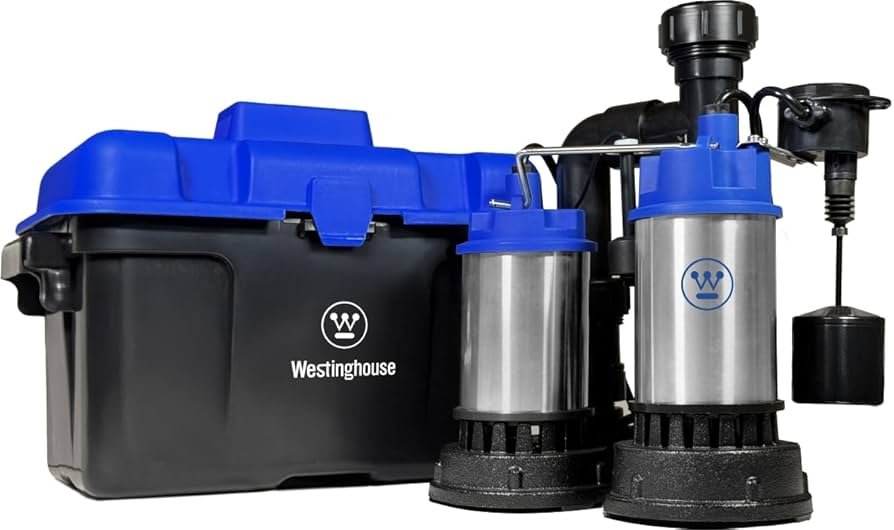
Most basements flood not because the pump is broken, but because the power goes out during a storm and the pump has no way to run. That’s why a real sump pump readiness plan for Montgomery County homes should include backup power.
Here are the main options:
Battery Backup Sump Pump
A battery backup sump pump is the most common solution:
- A second pump is installed in or above the same pit.
- It runs off a dedicated battery whenever the main power fails or the primary pump can’t keep up.
- Many systems can run for several hours, depending on battery size and usage.
Pros:
- Designed specifically for sump pump use.
- Automatically kicks in during outages.
- Often includes built-in alarms for low battery or pump failure.
Cons:
- Batteries require regular maintenance and replacement.
- Limited runtime if a storm knocks out power for an extended period.
Water-Powered Backup Sump Pump
Where code and water pressure allow, a water-powered backup sump pump can be an option:
- It uses municipal water pressure to pump out sump water during an outage.
- No battery to replace, but it does consume potable water.
This option needs to be evaluated carefully against local plumbing codes, backflow requirements, and water costs, and should always include proper backflow protection. That’s where professional Backflow Prevention Services become essential.
Whole-Home Generator + Primary Pump
Another path is pairing your existing sump pump with a portable or standby generator:
- When power fails, the generator supplies the circuit that feeds the sump pump (and possibly other critical loads).
- This can provide longer-term coverage if the outage lasts more than a few hours.
This option requires:
- Proper sizing of the generator.
- Safe electrical connections through transfer switches.
- A clear operating plan so the generator is started quickly during storms.
Which Backup Is Right for You?
A quick rule of thumb for Montgomery County homeowners:
- Finished basements with bedrooms, offices, or expensive finishes:
- At minimum: battery backup sump pump + alarm.
- Strongly consider a generator plan if outages are common in your neighborhood.
- At minimum: battery backup sump pump + alarm.
- Unfinished basements used mainly for storage:
- Battery backup plus at least a basic high-water alarm.
- Battery backup plus at least a basic high-water alarm.
- Homes that have already experienced backups or floods:
- Full sump readiness plan, plus evaluation of sewer lines and exterior drains.
- A targeted Video Camera Sewer Inspection can identify cracks, root intrusion, or collapsed sections feeding extra water into your sump system, and Sewer Line Repair & Replacement may be needed to solve the root cause.
- Full sump readiness plan, plus evaluation of sewer lines and exterior drains.
Sump Pump Alarms & Monitoring: Catch Problems Before They Flood You
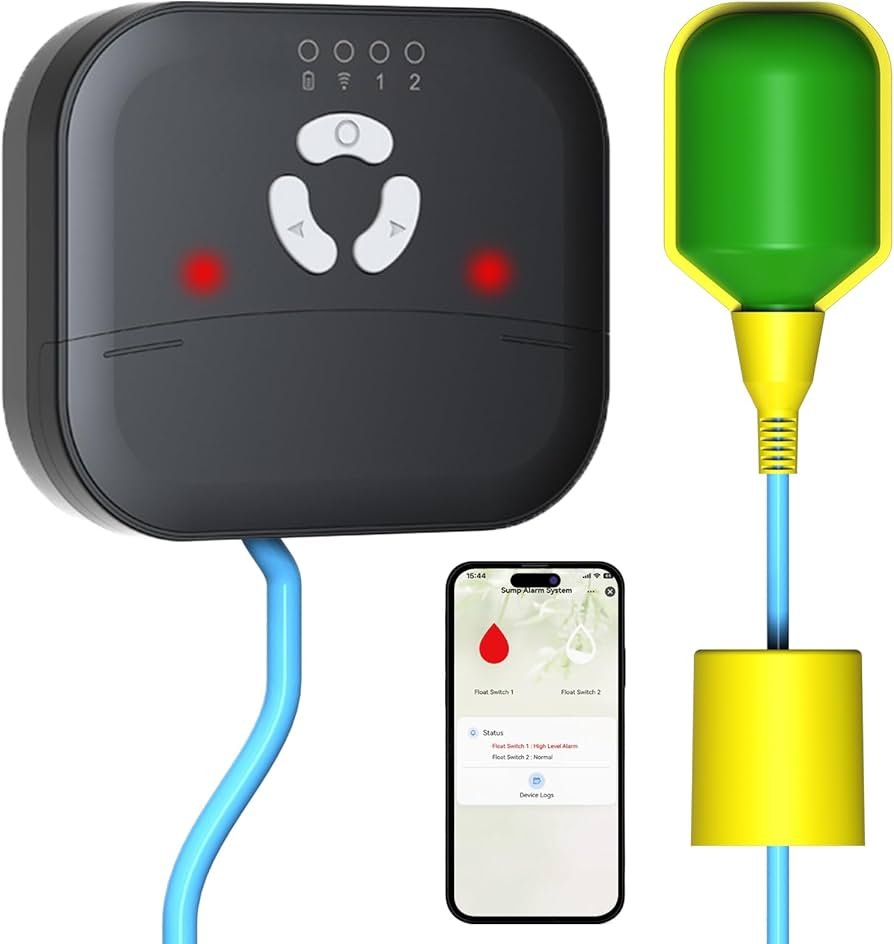
Backup pumps are critical, but they still can’t help if something fails silently and no one notices until water is already across the floor.
That’s where alarms and monitoring come in.
Basic High-Water Alarms
- A small sensor sits slightly above the normal water level in the sump pit.
- If water rises to that point, it sounds a loud audible alarm in the basement.
- Some models add a simple text or app alert.
These are inexpensive, easy to install, and a great first step.
Smart Wi-Fi Sump Pump Alarms
- Connect to your home Wi-Fi and send alerts to your phone.
- Some integrate with smart home platforms so you can receive push notifications, emails or texts if water rises or power drops.
For busy homeowners commuting between Gaithersburg, Rockville, Germantown and DC, this can make the difference between catching a problem at the “damp floor” stage versus coming home to standing water.
Full Monitoring & Daily Testing
Higher-end systems go further:
- They perform automatic daily tests on your pump, backup pump, and battery.
- They alert you if:
- The pump doesn’t start.
- The battery isn’t charging.
- Power is lost to the circuit.
- The pump doesn’t start.
Think of this as a “home alarm system” specifically for your sump pump. For homes with valuable finishes or history of flooding, this level of monitoring is often worth it.
Don’t wait for the next storm to find out your sump pump isn’t ready. Schedule a professional sump pump inspection and backup system check today.
DIY Quarterly Test vs Calling a Local Plumber

Some parts of sump pump readiness are very DIY-friendly. Others are better handled by a licensed professional.
Here’s a simple decision guide.
DIY Tasks (Good for Most Homeowners)
You can usually handle these tasks yourself in Gaithersburg, Rockville, Germantown, North Potomac, or anywhere in Montgomery County:
- Monthly visual check of the pit and pump.
- Quarterly water test with a bucket to make sure the pump runs and shuts off.
- Inspecting and clearing the discharge line outside.
- Testing a high-water alarm or Wi-Fi sensor.
- Keeping the area around the pump clean and accessible.
Call a Pro When You Notice:
- The pump doesn’t start during your quarterly test.
- It starts but doesn’t move water or the pit empties very slowly.
- The pump never shuts off, or cycles every few minutes even in dry weather.
- You see persistent water pooling around the foundation or in the yard.
- You’ve had sewer backups, foul odors, or slow drains along with sump problems.
That’s the time to bring in a licensed plumber who can:
- Diagnose pump issues and recommend repair vs replacement.
- Evaluate whether your home needs Water Line Repair, Sewer Line Repair & Replacement, or updated Backflow Prevention Services.
- Use Video Camera Sewer Inspection to see what’s really happening inside buried lines.
If a flooded basement also damaged your water heater, or you’re relocating it during a remodel to stay above potential water levels, that’s also a good time to coordinate with Water Heater Services so everything in your mechanical area is protected and up to code.
A Simple Quarterly “Stormy Day” Routine for Montgomery County Homeowners

To wrap everything into a simple action plan, here’s what I recommend for homeowners in Gaithersburg (20878), Rockville, Germantown, and nearby communities:
Every Quarter (at the start of a new season):
- Open the pit, check for debris, and clean as needed.
- Test the main sump pump with a bucket of water:
- Confirm it turns on promptly.
- Confirm it shuts off when water drops.
- Confirm it turns on promptly.
- Walk outside and watch the discharge:
- Confirm water exits where it should.
- Clear any blockages or obstructions.
- Confirm water exits where it should.
- Test your backup pump (if installed) by simulating a power outage.
- Check your backup battery:
- Inspect connections.
- Verify the charger is plugged in and any indicator lights look normal.
- Inspect connections.
- Trigger your alarm or monitoring system to make sure alerts are working.
- Visually inspect the basement for any signs of moisture, stains, or recurring damp spots that might justify a deeper inspection or video camera sewer inspection.
Right before a major storm is forecast:
- Repeat the quick water test.
- Confirm your phone and Wi-Fi sump alerts are working.
- Make sure you have any generator / extension cord plan ready if you rely on a portable generator.
This 15–30 minute investment, done quarterly, gives you real peace of mind when the forecast for Montgomery County calls for severe thunderstorms or days of steady rain.
Service Area – Montgomery County, Maryland

Quince Orchard Plumbing serves homeowners in north Montgomery County, MD, including:
Gaithersburg (20878), Rockville, Germantown, North Potomac, Darnestown, Montgomery Village, Potomac (north), Derwood, Kentlands, and Washington Grove.
If you’re in this area and have questions about sump pump readiness, backups, drainage, or water and sewer lines, we can help you design a system that actually matches your home and risk level.