

Living in a managed community in Montgomery County—whether it’s a high-rise condo in North Bethesda or a townhome in Germantown—comes with many perks. But when water starts dripping from the ceiling or a sewer line backs up, the first question is always the same: “Who is paying for this?”
The line between “Homeowner Responsibility” and “Association Responsibility” is often blurry, leading to disputes, delayed repairs, and expensive water damage. At Quince Orchard Plumbing, we work with both individual owners and HOA boards across Maryland. Here is a clear, professional breakdown of how plumbing responsibilities are typically divided in our state.
The Golden Rule: “Walls-In” vs. Common Elements
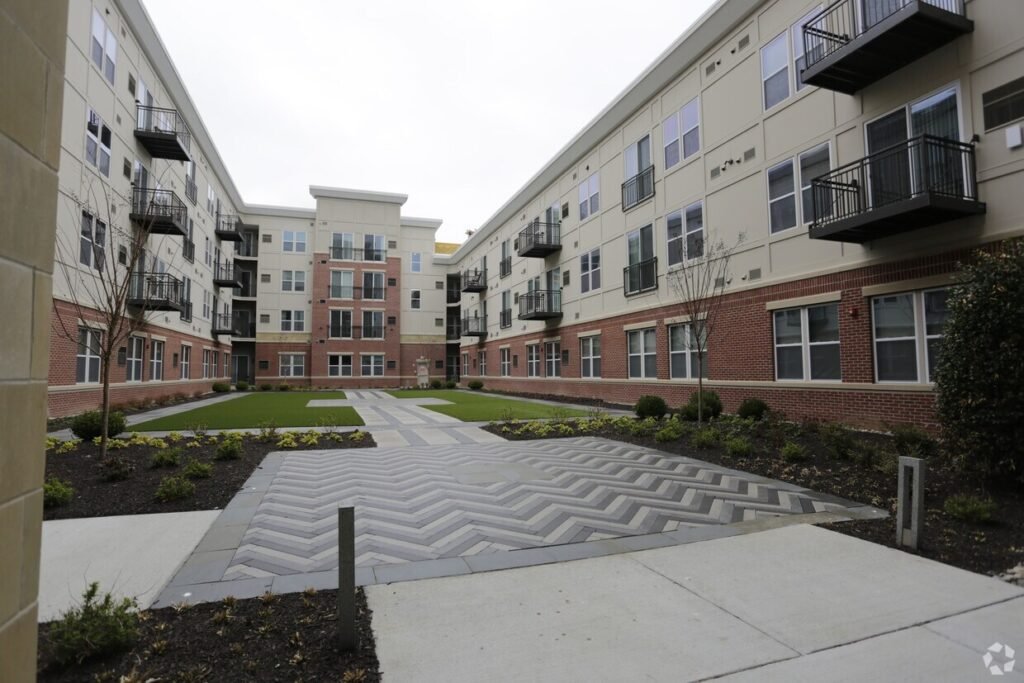
In most Maryland condominiums, the general rule is simple:
- The Unit Owner is responsible for everything from the “paint in” (or walls-in). This includes fixtures, appliances, and pipes that serve only that unit.
- The Association (HOA/Condo Board) is responsible for “Common Elements.” This usually includes the roof, exterior walls, and mechanical systems that serve more than one unit.
However, governing documents (Bylaws and Declarations) can override this. Always check your specific community’s “Matrix of Maintenance Responsibilities.”
What is ALWAYS the Homeowner’s Responsibility?
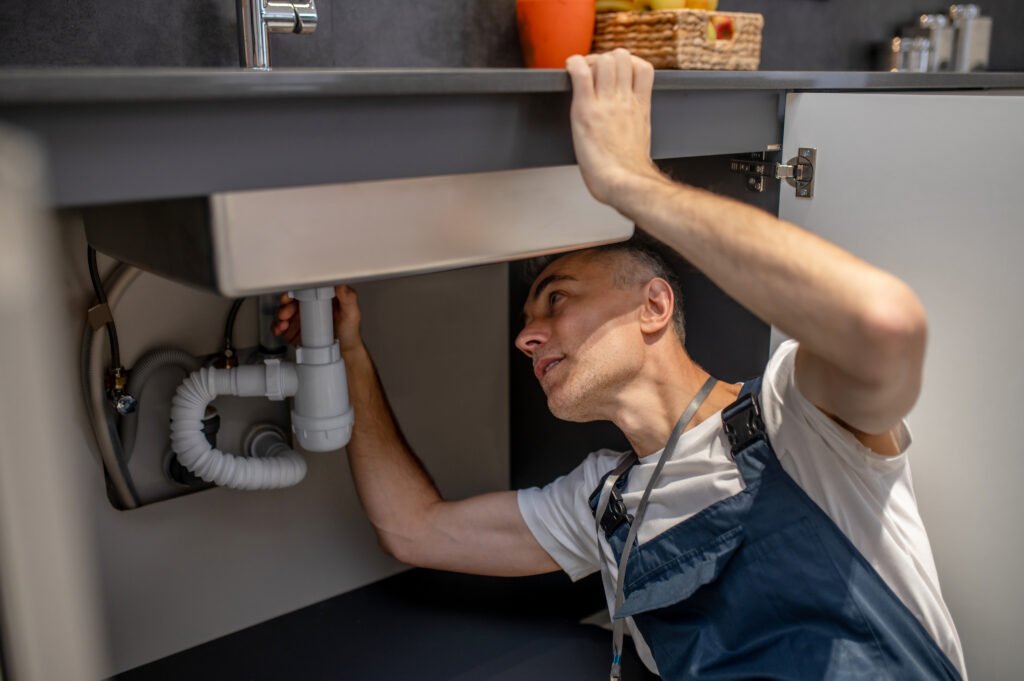
If you own a condo or townhome in Gaithersburg, you are almost certainly responsible for maintaining and repairing:
- Fixtures: Leaky faucets, running toilets, and shower valves.
- Branch Lines: The pipes inside your walls that supply water to your specific fixtures.
- Drain Clogs: If the clog is located in a pipe that serves only your unit (e.g., a hair clog in your shower trap), you pay the plumber.
Pro Tip: Neglecting a water heater that bursts and floods your downstairs neighbor usually makes you liable for the damage. Regular maintenance is key. Check our Water Heater Services for help.
What is TYPICALLY the HOA’s Responsibility?
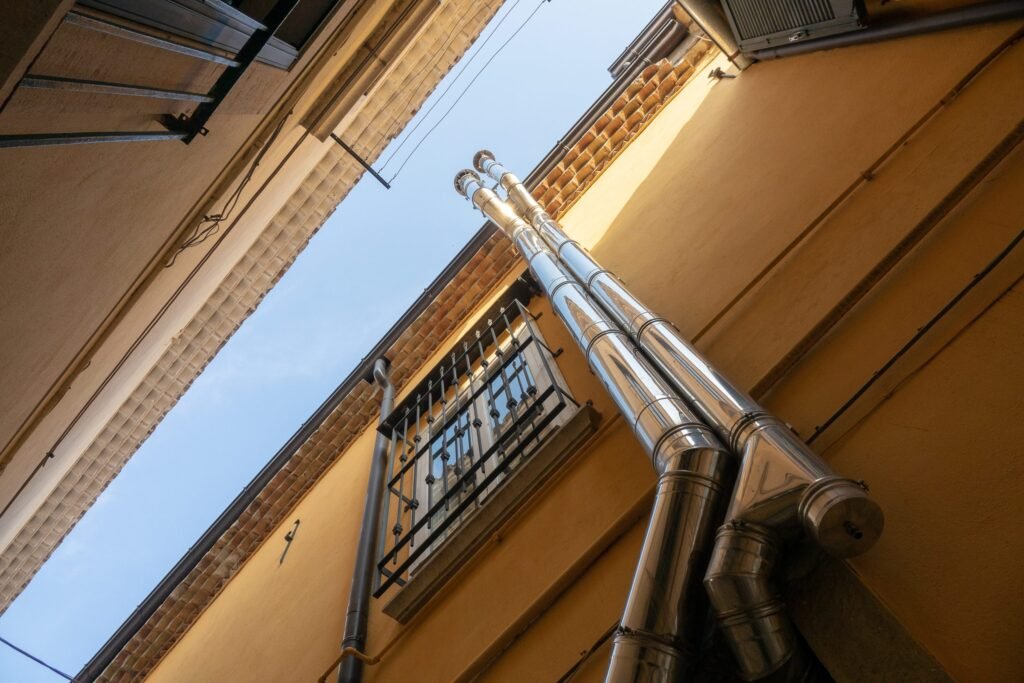
The Association generally handles the “big infrastructure”:
- Main Water Stacks (Risers): The vertical pipes that carry water up to multiple floors.
- Main Sewer Lines: The large pipes that collect waste from all units and carry it to the WSSC connection.
- Stormwater Management: Roof drains, gutters, and downspouts (in condos).
- Exterior Spigots: Often a shared responsibility depending on the building type.
Townhomes vs. Condos: The “Lateral” Confusion
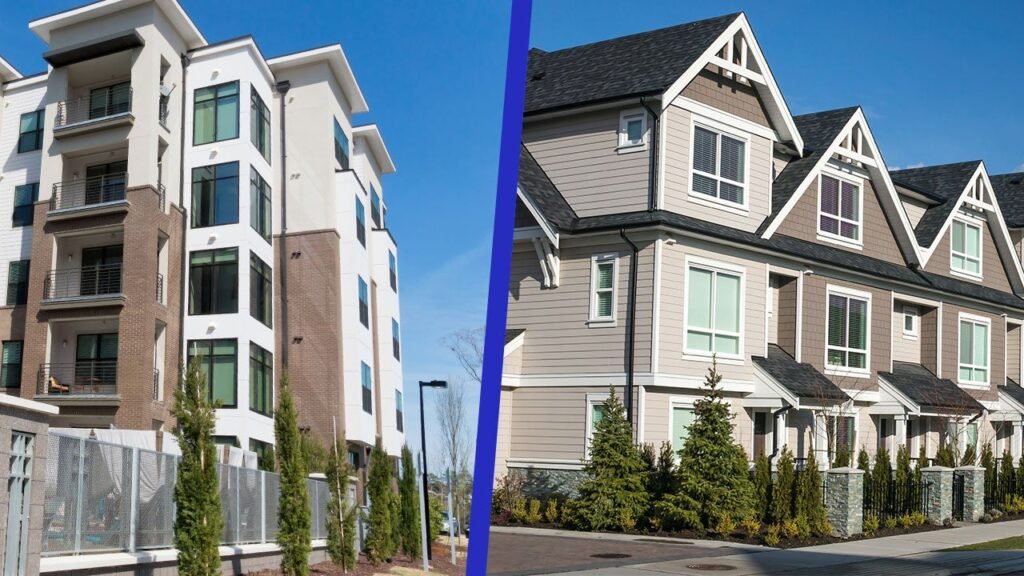
This is where many Rockville homeowners get confused. In a Townhome, you often own the land under your house. This typically means you are responsible for the water and sewer “lateral” lines running from your house out to the street connection—even if they pass under your front yard.
If your sewer lateral collapses due to tree roots in your yard, the HOA usually will not pay for it. A Video Camera Sewer Inspection can confirm if a blockage is on your side or the city/HOA side.
Who Pays for Water Damage? (The $10,000 Question)
Maryland law has specific provisions regarding insurance deductibles in condos. If a leak originates in your unit (e.g., your washing machine hose bursts) and damages common areas or other units:
- The Association’s Master Insurance Policy typically covers the restoration of the building structure.
- HOWEVER: The Association can assess the Master Policy deductible (often up to $10,000) back to you, the unit owner where the leak started.
This is why every condo owner needs an HO-6 Insurance Policy to cover this deductible and their personal property (furniture, floors, clothes), which the Master Policy almost never covers.
How to Avoid Disputes

- Know Your Shut-Off Valves: In an emergency, knowing how to shut off water to your unit prevents damage to neighbors.
- Report Leaks Immediately: Ignoring a small drip can turn into a massive mold claim.
- Hire Licensed Plumbers: Many HOAs require licensed, insured contractors for any work that involves opening walls.
Need a “Master Plumber” opinion? We act as a neutral third party to diagnose the source of leaks and determine responsibility based on physical evidence.
Service Area: Serving Gaithersburg (20878), Rockville, Germantown, North Potomac, Darnestown, Montgomery Village, Potomac, Derwood, Kentlands, and Washington Grove.