

When a townhome owner calls us again for the same sewer backup, I don’t treat it like “just another clog.” In Gaithersburg-area townhomes—especially in communities where homes are 25–40 years old—repeated backups usually mean there’s a root cause that keeps coming back until you find it.
This “real case study” is written as a real-world style, anonymized/composite of the repeated-backup calls we handle in the Gaithersburg/Rockville/Germantown area—because the pattern is so common that the solution path is incredibly consistent.
The situation: “It backs up every few weeks—always the basement drain”
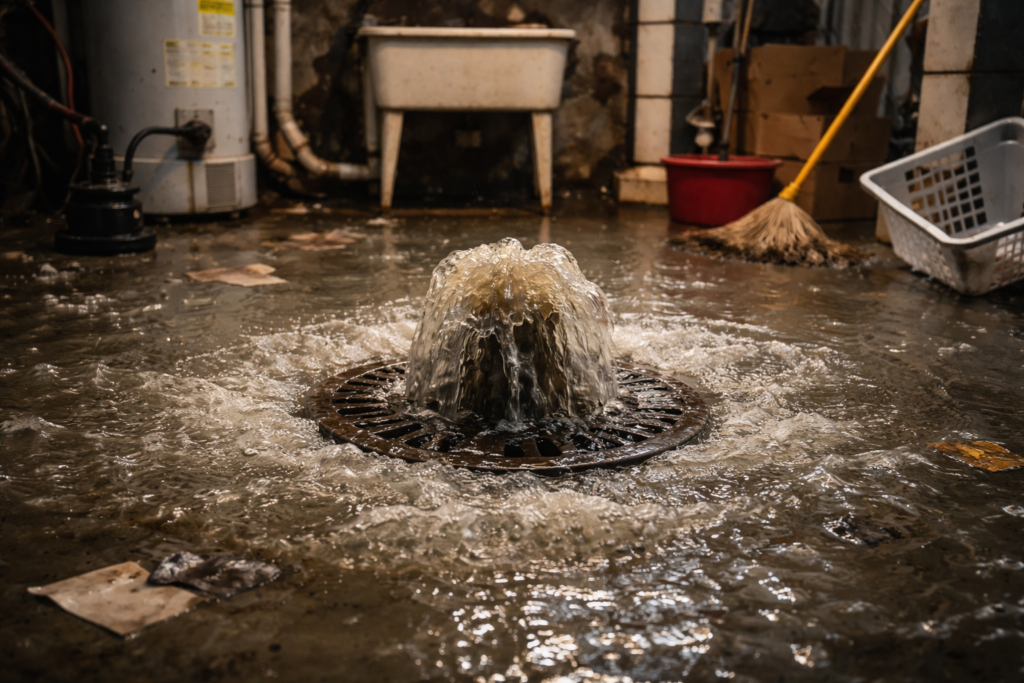
The homeowner described a frustrating cycle:
- The basement floor drain would overflow.
- A quick cleaning would help… temporarily.
- Then the backup returned after heavy water usage—or sometimes after rain.
That’s the moment I switch from reactive unclogging to diagnostic problem-solving.
Step 1: We confirmed the symptoms and ruled out the “easy” causes
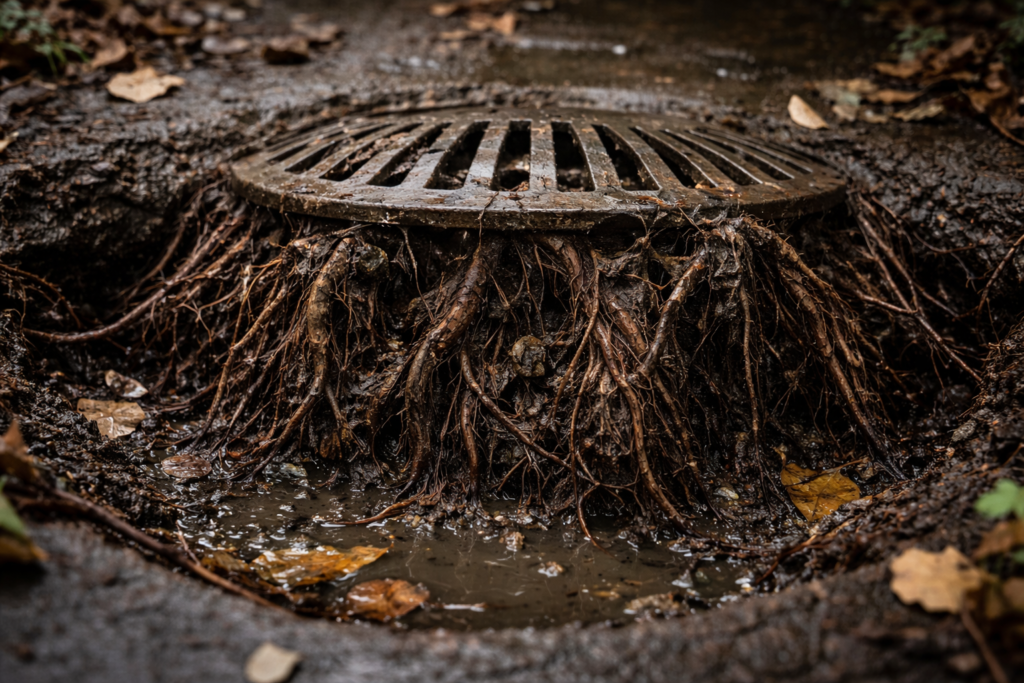
In a townhome, it’s tempting to blame “the city” or “the HOA line,” but repeated backups can come from:
- a compromised sewer lateral
- recurring root intrusion
- a belly/sag that collects debris
- a partial collapse or offset joint
- or a restriction that only shows itself under heavy flow
So the first goal was simple: stop guessing.
Step 2: We used a sewer camera to find the real cause (no guesswork)
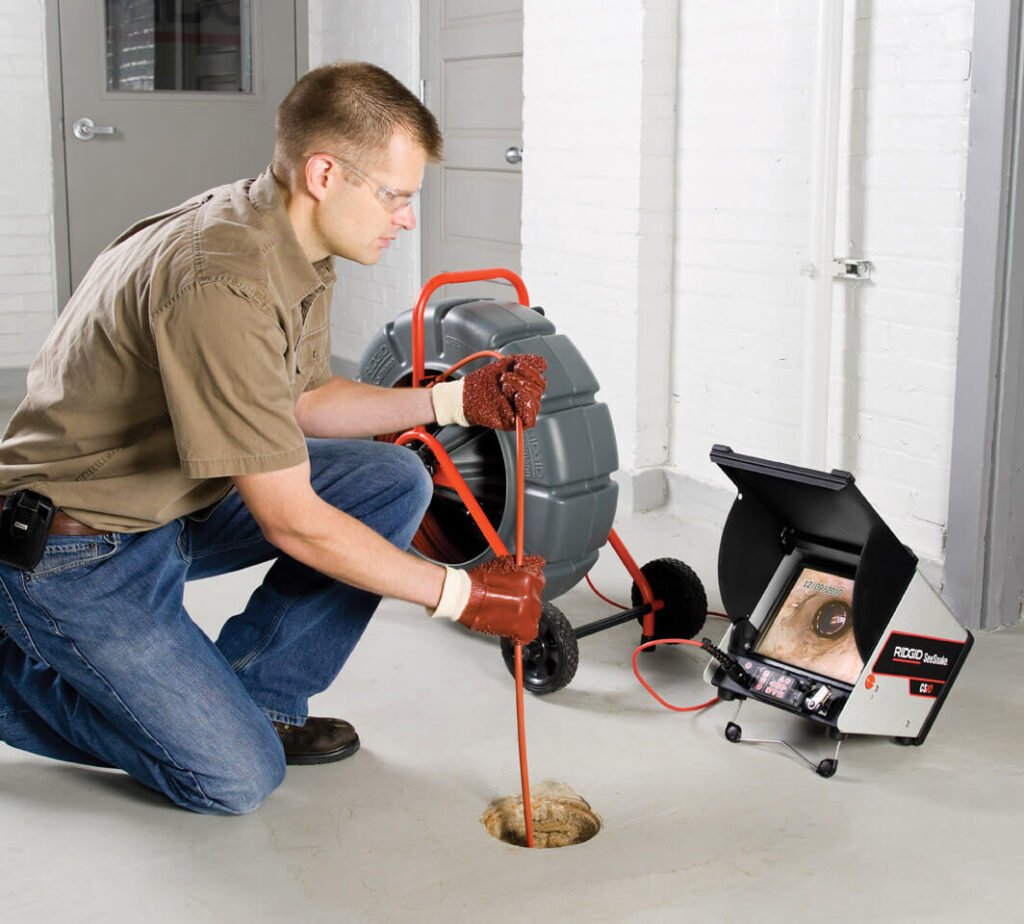
This is where the job changed.
Instead of another temporary clear-out, we recommended a camera inspection to actually see what was happening inside the line:
With the camera, we were able to identify the kind of issue that explains repeat backups—the type that doesn’t get solved permanently by “snaking it again.”
And that’s exactly why camera inspections are so valuable in older Gaithersburg housing stock: they turn a vague problem into a specific plan.
Step 3: The fix wasn’t “more cleaning”—it was targeted repair/replacement
Once we had a clear diagnosis, the right solution wasn’t another temporary clearing. It was addressing the damaged/problem section so it stops catching debris and triggering backups.
That’s where a professional repair or replacement strategy comes in:
Sewer Line Repair & Replacement
This is the step that turns “we’ll see you again next month” into “this is finally handled.”
What changed after the repair

After correcting the underlying issue, the goal is straightforward:
- no more recurring backups
- fewer emergency calls
- less stress every time it rains or the home has guests over
For townhomes (especially finished-basement townhomes), that peace of mind matters—because one overflow can ruin flooring, drywall, and storage fast.
The prevention plan we gave the homeowner (so it doesn’t come back)

Even after a repair, I always recommend a practical prevention mindset:
1) Don’t ignore early warning signs
- gurgling drains
- slow basement fixtures
- backups that “only happen sometimes”
These are usually the system telling you something is changing.
2) If it’s a repeat issue, go straight to camera
Repeated sewer backups = diagnostic mode, not “try the same fix again.”
3) Handle it like a home system, not a one-off event
This is exactly how Quince Orchard Plumbing positions itself locally: fast response, clean work, and solutions that create long-term reliability, not temporary relief.
Dealing with a repeated sewer backup in Gaithersburg? Start with a camera inspection and get a real answer—then fix it the right way with Quince Orchard Plumbing.
Why this story is so common in Gaithersburg townhomes
Our service area includes Gaithersburg and nearby communities (Rockville, Germantown, North Potomac, Kentlands, Montgomery Village, etc.).
And the reality is: a lot of homes here are in that 25–40 year range where sewer lines start showing predictable wear patterns.
That’s why repeated sewer backups are one of the most important “don’t wait” problems—because the longer it repeats, the higher the chance of bigger damage and higher repair cost.