
If you’re upgrading a bathroom in Maryland, I always like to start with the upgrades that lower water use immediately without making the bathroom feel “cheap” or low-pressure. The best part? Modern water-saving fixtures can feel better than older hardware—when you choose the right models and install them correctly.
In this guide, I’ll break down my favorite water-saving showers, faucets, and toilets, what specs actually matter, and the common “gotchas” that make homeowners regret a purchase (like weak spray, noisy fill valves, or poor flushing).
What “water-saving” really means (and what I look for first)
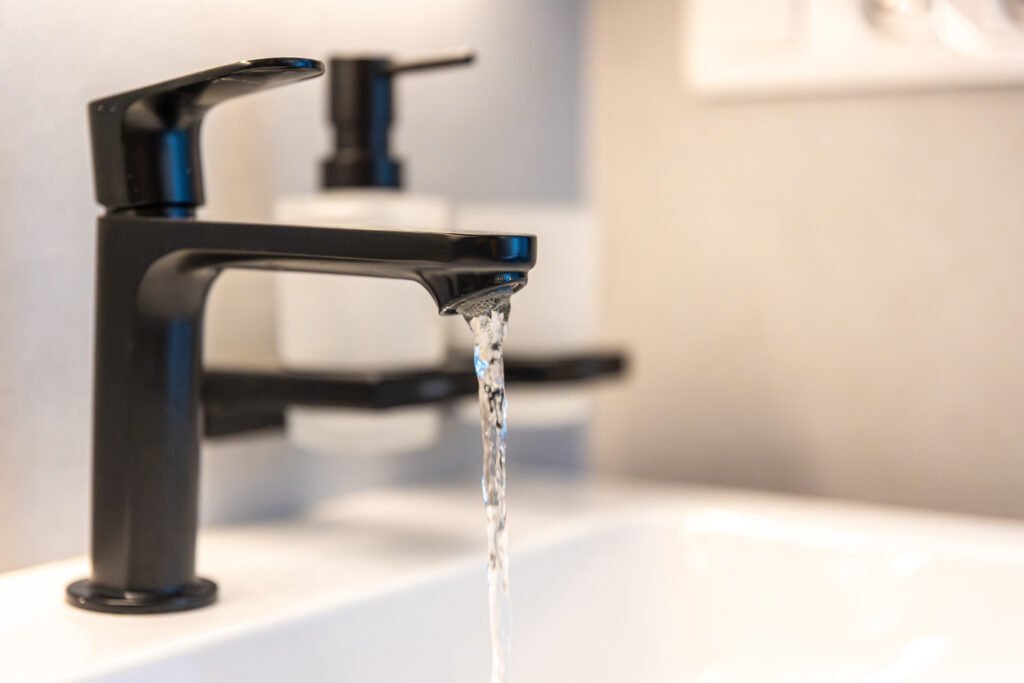
When I’m choosing bathroom fixtures for long-term savings, I focus on three things:
- Performance first: saving water doesn’t help if you hate using it.
- Consistency: stable pressure and temperature matter more than tiny spec differences.
- Parts availability: easy-to-replace cartridges, fill valves, flappers, and seals.
A good fixture should feel great on day one—and still work smoothly years later.
1) Water-saving showerheads that still feel powerful
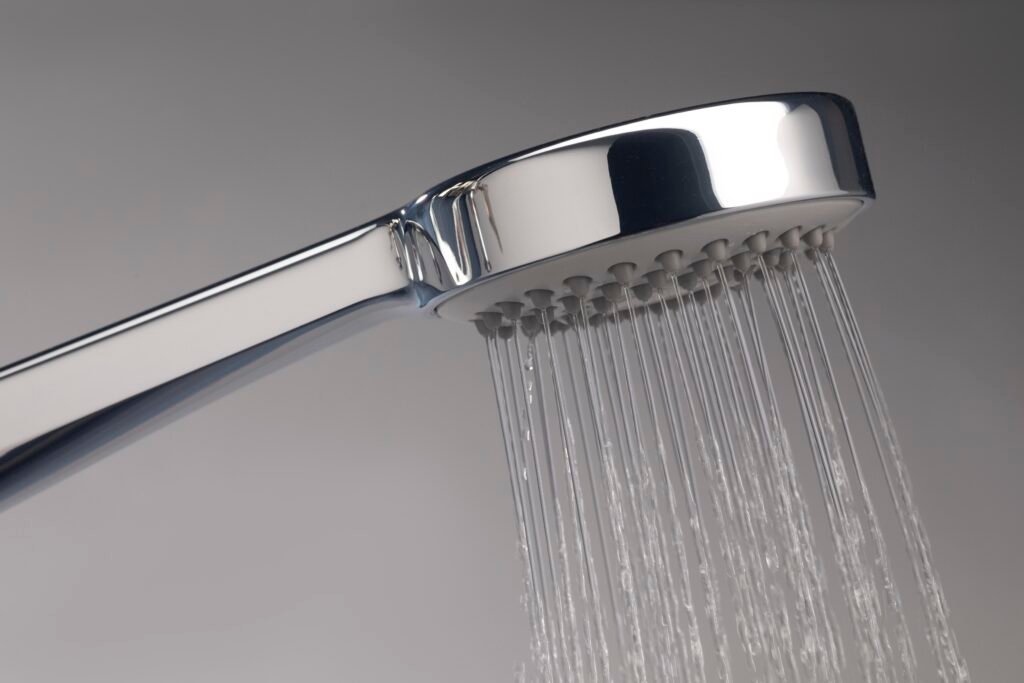
If you want the most noticeable improvement per dollar, start here.
What I recommend looking for
- High-efficiency flow rate (without the “misty” feel)
- Pressure-compensating design (helps in homes with fluctuating pressure)
- Spray pattern options (full spray + focused rinse is the sweet spot)
The most common shower complaint (and how to avoid it)
If someone installs a low-flow showerhead and suddenly the shower feels weak, the cause is often not the showerhead—it’s usually:
- partially closed/older shutoff valves,
- mineral buildup in the shower arm,
- or a supply-side pressure issue.
If multiple fixtures feel weak (not just the shower), that’s when it’s worth checking the supply side.
👉 If pressure/flow issues suggests a bigger problem, start with: Water Line Repair
Bonus upgrade that saves water and improves comfort
A well-tuned water heater makes showers more consistent—especially in busy households. If hot water runs out fast, fluctuates, or the heater is aging, it’s hard to judge any “efficient” showerhead fairly.
👉 Water Heater Services
2) Water-saving bathroom faucets that don’t feel “slow”
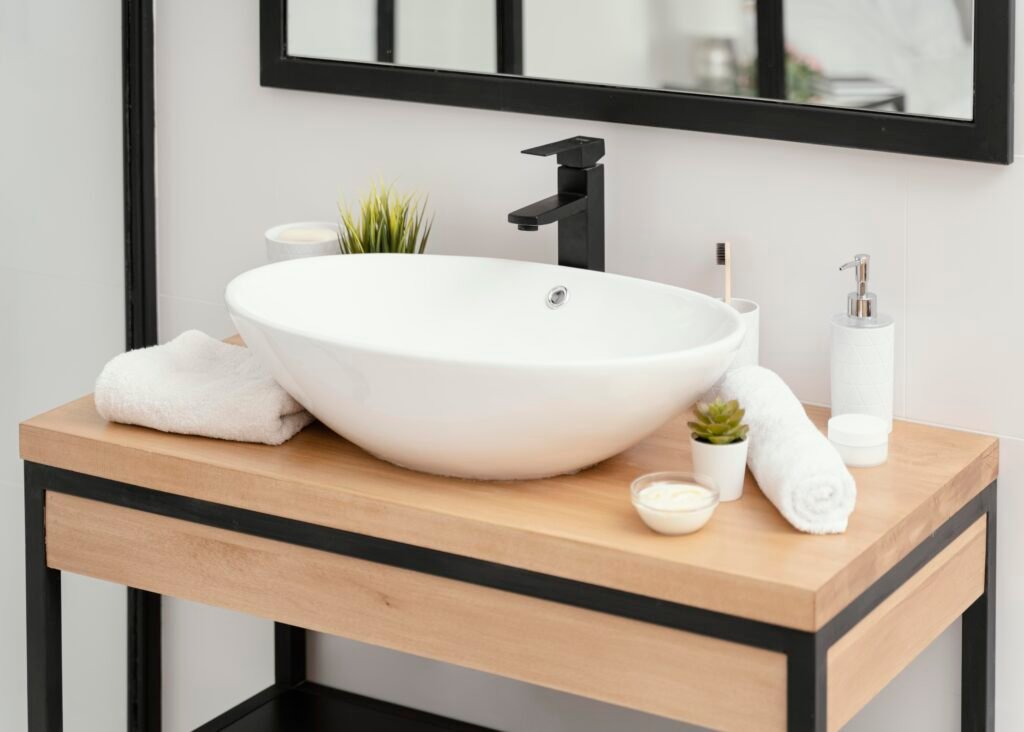
Bathroom sinks are an underrated place to save water, because most older faucets waste a surprising amount during brushing, washing hands, shaving, etc.
My go-to options
- Low-flow aerators (quick upgrade, big impact)
- Single-handle faucets (easier to set temperature quickly = less wasted water)
- Touchless / sensor faucets (great for families and guest baths)
One quick tip that prevents frustration
If you install a high-efficiency faucet and it splashes everywhere, you typically need:
- a better aerator pattern, or
- a faucet with a spout height/reach that matches your sink shape.
Efficient doesn’t have to mean annoying.
3) Water-saving toilets: the best long-term “bill reducer”
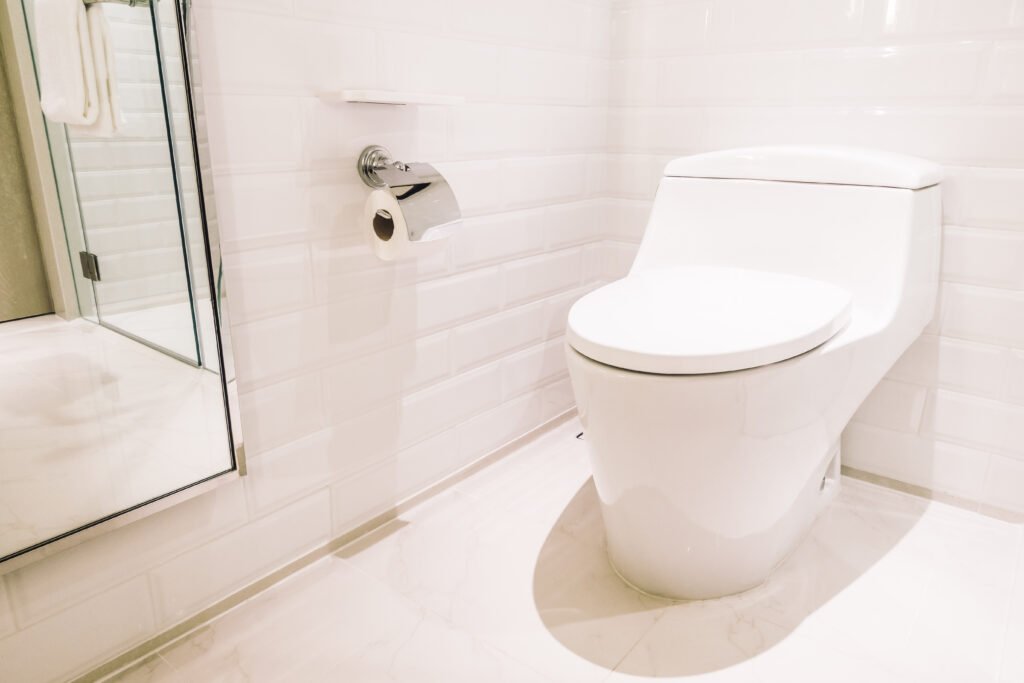
Toilets are usually the biggest water user in the bathroom, so upgrading an older model is often the most meaningful change.
What I recommend for most Maryland homes
- High-efficiency toilets with strong flush performance
- Dual-flush if your household will actually use both modes properly
- A toilet with standard, easy-to-find internal parts (this matters long-term)
Common toilet problems that waste water silently
- a running fill valve
- a worn flapper
- a slow leak into the bowl (you won’t always hear it)
If you’re trying to save water, fixing a “quiet runner” can sometimes beat upgrading anything.
How to choose the right fixtures for YOUR bathroom (simple checklist)
Before you buy, I like to answer these:
Shower checklist
- Does your home have stable pressure?
- Is the shower valve old or partially restricted?
- Do you want a “rain” style or a stronger rinse?
Faucet checklist
- What sink shape do you have (shallow vs deep)?
- Do you want single-handle convenience?
- Would a sensor faucet reduce waste in this bathroom?
Toilet checklist
- Do you want classic single flush or dual flush?
- Is your plumbing sensitive to clogs?
- Do you want comfort height?
The #1 mistake I see with water-saving upgrades
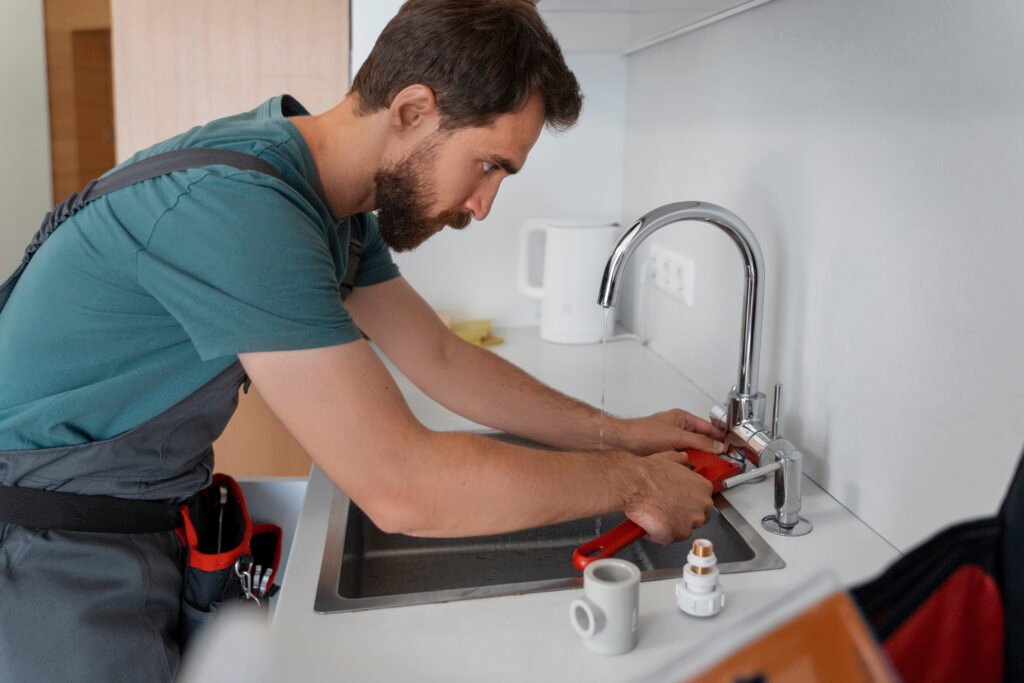
People buy efficient fixtures but ignore the system behind them.
If you have:
- recurring sediment,
- inconsistent pressure,
- odd tastes/odors,
- or water heater performance issues,
…those will make even the best “efficient” fixtures feel disappointing.
If you suspect supply-side issues, start here:
👉 Water Line Repair
If the issue is hot-water performance (temperature swings, slow recovery, old tank), start here:
👉 Water Heater Services
And if you’re thinking about overall water safety/compliance upgrades as part of a remodel plan:
👉 Backflow Prevention Services
Ready to upgrade your bathroom fixtures and keep performance strong? Contact Quince Orchard Plumbing for help choosing and installing the right water-saving options for your Maryland home.
My “best picks” summary for most Maryland bathrooms
If you want a simple, reliable approach:
- Shower: efficient, pressure-compensating showerhead + clean/clear shower arm + confirm stable pressure
- Faucet: low-flow aerator or efficient faucet with a splash-friendly spout design
- Toilet: high-efficiency toilet with proven flush performance and common replacement parts
That combo usually delivers the best long-term mix of savings, comfort, and fewer plumbing headaches.