

When you’re dealing with a burst pipe, overflowing toilet, or sewer backup, you don’t want vague promises—you want to know how fast help arrives, what it may cost, and what to do right now to prevent damage.
At Quince Orchard Plumbing, our positioning is simple: we arrive fast, work clean, and protect your peace of mind—with 24/7 emergency service for Gaithersburg and nearby communities within our local coverage area.
Below is exactly what I recommend homeowners expect from a true emergency plumber—especially around pricing, timing, and safety.
1) Timing: how fast a 24/7 emergency plumber should respond
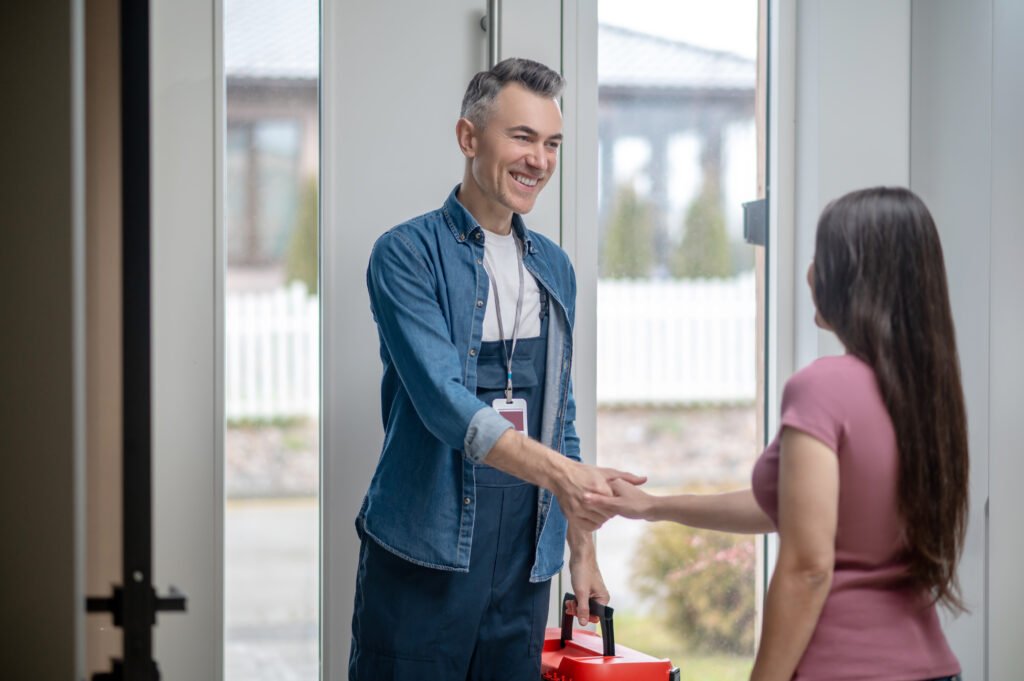
What “24/7” should look like in real life
A real emergency service should have:
- Rapid triage on the phone
- A clear plan for dispatch
- An honest estimate of arrival window
- Updates if conditions change
For Quince Orchard Plumbing, the target positioning includes an average response time of under 60 minutes (goal).
What affects arrival time in Gaithersburg
- Call volume during storms/freezes
- Road conditions and time of night
- Whether the emergency is active flooding vs. “no hot water”
- If specialized equipment is needed (ex: camera inspection)
2) Pricing: what you’re really paying for (and what changes after-hours)
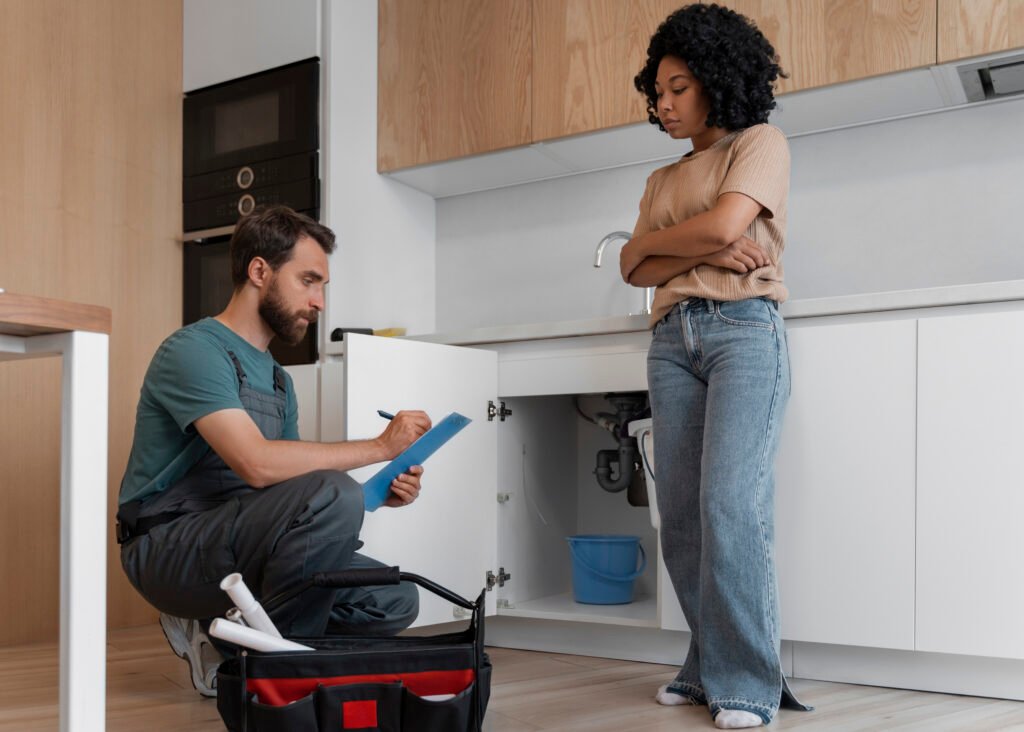
Emergency pricing is usually driven by timing + severity + labor time + parts + access.
Typical price ranges (general market data)
Industry pricing guides commonly report:
- Emergency plumber hourly rates often ranging $100–$500/hr, with higher costs on nights/weekends/holidays.
- Some emergency visits are priced per job/visit, and it’s common to see $150–$500 per visit for simpler situations, with more complex repairs potentially $500–$2,000+ depending on what’s involved.
Important: Those are broad ranges—your real cost depends on what we find on-site.
What a good emergency plumber should explain upfront
Before work starts, you should get a clear explanation of:
- The likely cause
- The immediate fix vs. the permanent fix
- The options (and tradeoffs)
- What’s included in the price (labor/parts/after-hours)
This lines up with the Quince Orchard Plumbing positioning for fair pricing, clear billing, and trust-based service for homeowners and property managers.
3) Safety: what to do immediately (before the plumber arrives)
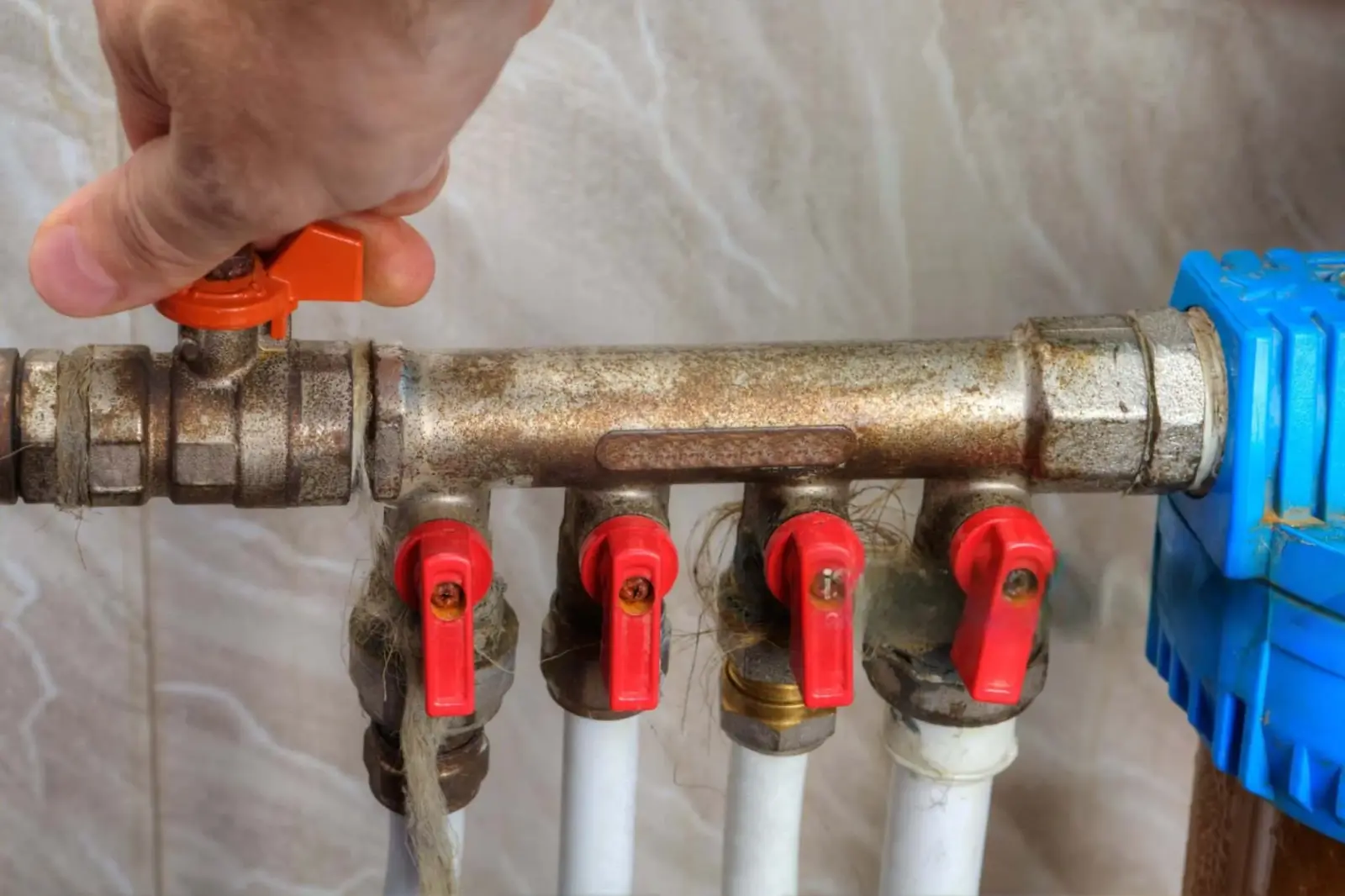
If you do only one thing: stop the damage from spreading.
If you have active water leaking or flooding
- Shut off the main water valve (whole home if needed)
- If water is near outlets, appliances, or the panel: turn off power to the affected area (only if it’s safe to do so)
- Move valuables off the floor and place towels/buckets to limit spread
If it’s a supply-side problem, this is often where repairs begin:
👉 Water Line Repair
If you have a sewer backup (floor drain, toilet overflow, wastewater)
- Stop using water immediately (showers, sinks, laundry)
- Keep kids/pets away from the area
- Avoid DIY chemicals (they rarely help and can make servicing dangerous)
If the backup is recurring or unclear, I usually recommend diagnosis first:
👉 Video Camera Sewer Inspection
If there’s damage or a failing line:
👉 Sewer Line Repair & Replacement
If the issue is the water heater (leaking, no hot water, odd noises)
- Shut off the cold water supply to the heater (if leaking)
- Shut off power/gas to the unit (as appropriate)
- Don’t ignore tank leaks—small leaks often become big floods fast
If you suspect water safety/contamination risk
If there’s a cross-connection concern or a backflow-related issue, treat it as a safety problem (not just a “taste” problem):
👉 Backflow Prevention Services
4) What happens during the emergency visit (the “right” process)
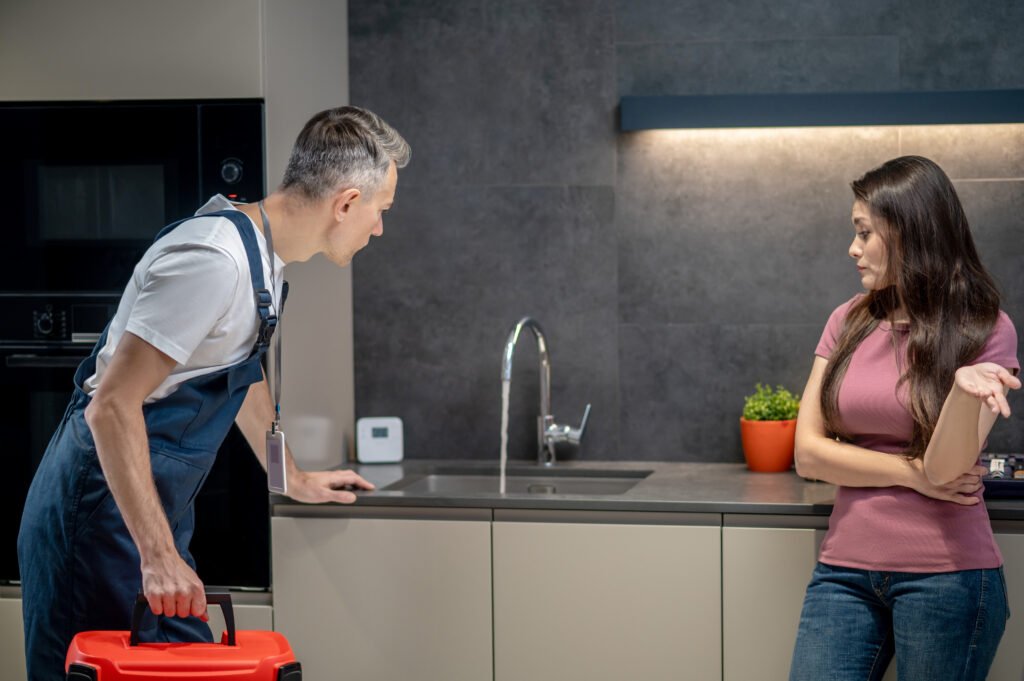
Here’s what I consider a professional emergency workflow:
- Triage + questions (where is the water coming from? what fixtures? how long?)
- On-site assessment (find the source, confirm whether it’s supply/drain/heater)
- Immediate containment (stop flow, reduce risk, restore basic function)
- Explain options (temporary stabilization vs. permanent repair)
- Clean, safe finish (leave the area workable and explain next steps)
Quince Orchard Plumbing’s intended brand positioning emphasizes clean work, certified techs, and a trust-first experience for busy homeowners and property managers.
Need a 24/7 emergency plumber in Gaithersburg? Call Quince Orchard Plumbing for fast dispatch, clean service, and a clear plan to stop the damage now.
5) How to avoid repeat emergencies (the part that saves the most money)
If you’ve had any of these more than once:
- backups in the same drain
- repeated “mystery leaks”
- recurring low pressure
- repeated water heater shutoffs/leaks
…then the best money is usually spent on diagnosis + permanent correction, not repeat emergency band-aids.
A camera inspection is the fastest way to stop guessing on drain/sewer issues:
👉 Video Camera Sewer Inspection