

If you’ve ever had sewage come up through a basement floor drain, shower, or toilet—especially during heavy rain—you’ve probably heard about installing a backwater valve (also called a sewer backup valve). In the right situation, it’s one of the most effective ways to block city sewer surcharges from pushing wastewater back into your home.
But it’s not a magic shield for every sewer problem. In many Montgomery County homes (Gaithersburg 20878, Rockville, Germantown, North Potomac, Derwood, Kentlands, and nearby), the “right move” depends on why you’re backing up: storm surcharge, a restricted house line, roots, aging pipe, or an undersized/failed system.
This guide explains when a backwater valve is worth it in Maryland, what it can and can’t do, and the real install factors that determine whether it’s a clean upgrade—or a headache.
What a backwater valve does (and what it doesn’t)
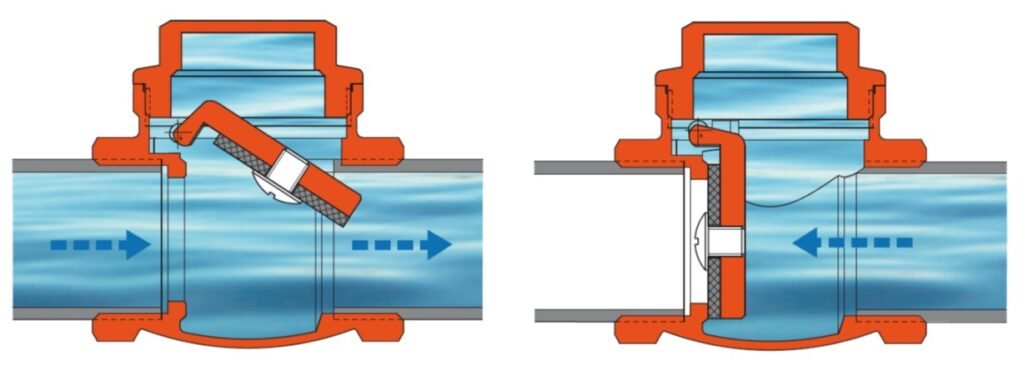
What it does
A backwater valve is a one-way valve installed on a sewer line so wastewater can flow out, but sewage can’t flow back in when the public sewer surcharges (often during heavy rain).
What it does NOT do
- It does not fix a clogged or broken sewer line.
- It does not stop backups caused by blockages on your side of the valve.
- It does not prevent water damage from supply leaks (burst pipe, failed water heater, etc.).
- It does not replace a sewer inspection and proper repairs.
If you’re unsure whether the backup is a city surcharge vs. a blockage, start with a Video Camera Sewer Inspection. It’s the fastest way to stop guessing.
When a backwater valve is worth it in Maryland
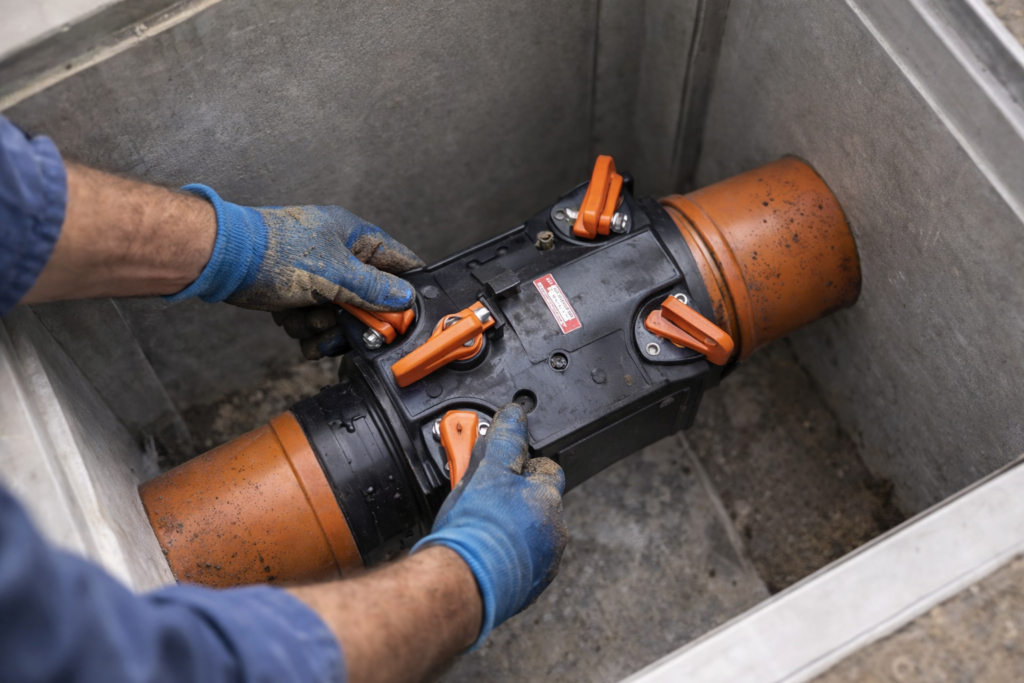
A backwater valve is usually worth it when the problem is sewer surcharge, not a simple clog.
Strong “yes” situations
Consider installing a backwater valve if you have:
- A history of sewage backing up from the lowest drain (basement floor drain, basement shower, basement toilet)
- Backups that happen during storms or after prolonged rain
- A home in a low-lying area or a neighborhood where multiple homes report backups in wet weather
- A finished basement (the cost of a single backup can dwarf prevention)
“Maybe” situations (needs inspection first)
It may still be worth it, but only after confirming your line condition:
- You have backups that happen randomly, not tied to rain
- You’ve had recurring clogs, gurgling drains, or slow whole-house drainage
- You suspect roots, old cast iron issues, or a belly in the line
In these cases, a camera inspection is step one:
Video Camera Sewer Inspection
If the line is damaged or failing, the real fix is often Sewer Line Repair & Replacement.
Situations where a backwater valve is usually NOT the best first move
- The backup is caused by a house line blockage that hasn’t been properly diagnosed
- The basement fixtures are tied into an ejector system and the issue is the ejector (different fix)
- You have a supply-side flooding risk (that’s a main shutoff/leak detection conversation, not a sewer valve)
Worried about basement sewer backups in Montgomery County? Call Quince Orchard Plumbing for a video camera inspection and the right prevention plan.
The biggest “gotcha”: a backwater valve can also block your own drainage
When the valve closes during a surcharge event, your home’s wastewater may have nowhere to go—especially for fixtures below the valve’s elevation.
What that means in real life
If the backwater valve is closed and someone:
- flushes a basement toilet,
- runs a basement shower,
- uses a basement sink,
- or drains appliances tied into that line,
…you can still get an internal backup—because the home can’t discharge into the sewer at that moment.
Bottom line: A backwater valve works best with a clear household rule during storms: limit water use, especially basement fixtures.
Backwater valve vs. backflow prevention (don’t mix these up)
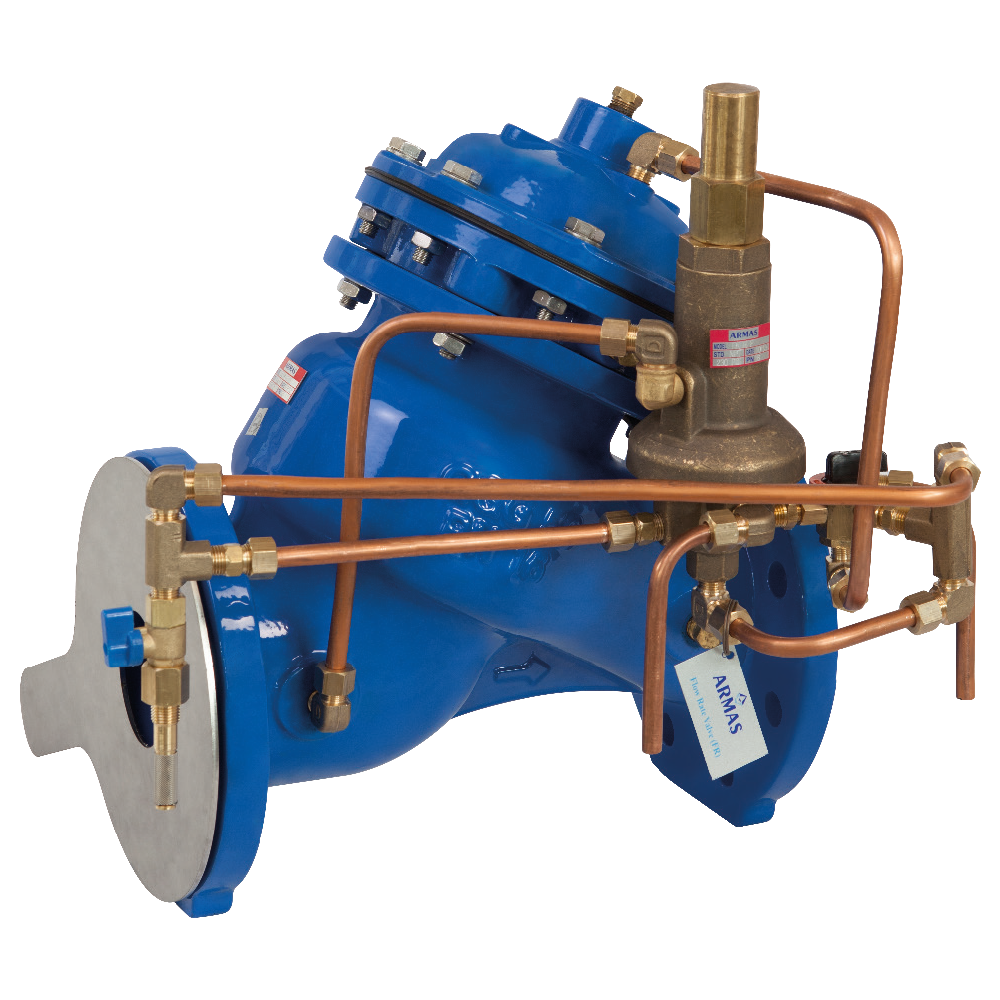
A backwater valve protects against sewage backup in the sanitary drain.
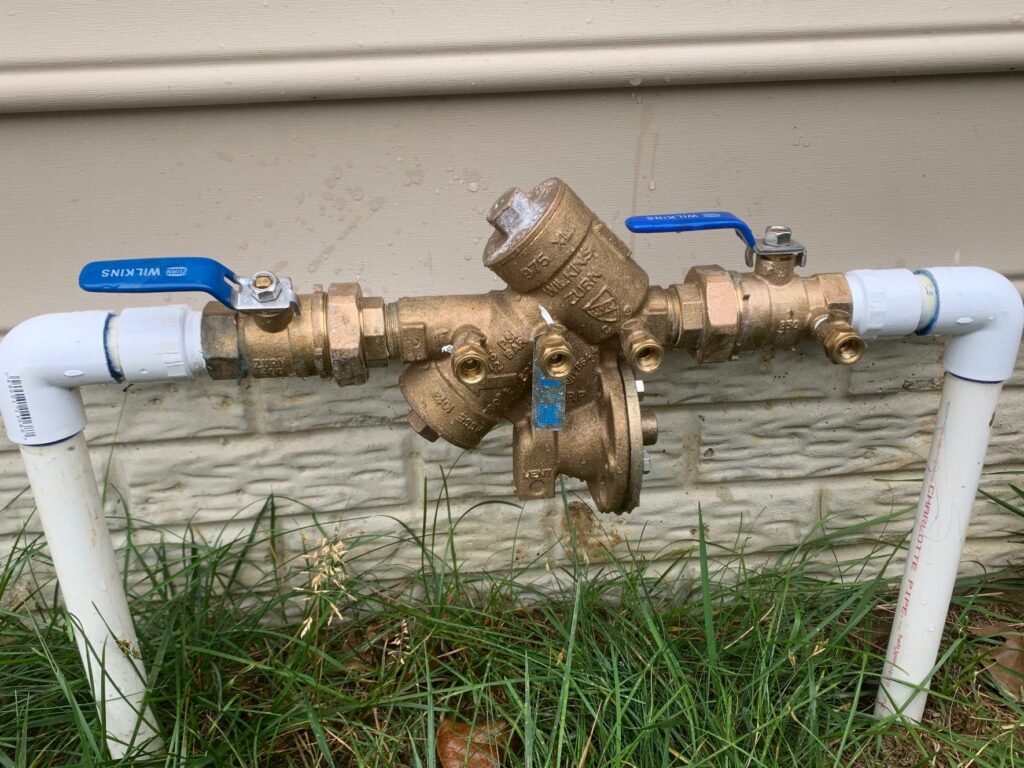
A backflow preventer protects your drinking water from contamination due to cross-connections.
They solve different problems. If you need potable water protection or testing, that’s handled under Backflow Prevention Services.
Install factors that determine whether the job is simple or complex
1) Where the valve must be installed (main drain vs. branch)
The best location depends on what you’re trying to protect:
- Whole-home protection (common approach): installed on the building drain before it exits to the street.
- Basement-fixture-only protection: sometimes installed on a branch serving basement fixtures.
Each approach has tradeoffs:
- Whole-home can protect more, but can also affect which fixtures can drain during a surge.
- Branch installs can isolate basement risk but require correct layout and access.
2) Access and maintenance (non-negotiable)
Backwater valves require inspection and cleaning over time. If it’s buried without access, it becomes a future failure point.
A good installation includes:
- An accessible cover (often a pit box or access panel)
- The ability to open and clean the flapper/gate
- Clear labeling so homeowners don’t forget it exists
3) Pipe material and condition
Older homes may have:
- cast iron
- clay laterals
- older PVC transitions
- questionable past repairs
The valve must match the pipe size and the installation must be watertight and properly supported.
4) Cutting concrete vs. an exposed line
If your main drain is under the slab, installation typically involves:
- saw cutting and breaking concrete
- plumbing work in the trench
- backfill and slab restoration
That labor is often the biggest “cost factor.”
5) Cleanouts and serviceability
Many installs require:
- adding or relocating a cleanout
- ensuring there’s a safe way to service the line without fighting the valve
6) Local permitting/inspection realities
Maryland plumbing work on building drains often involves local requirements (especially in regulated utility areas). A professional install helps ensure the valve is code-appropriate and serviceable long-term.
Replacement factors” style checklist: what drives price and complexity (without quotin
Maintenance: how to keep a backwater valve from becoming your next problem
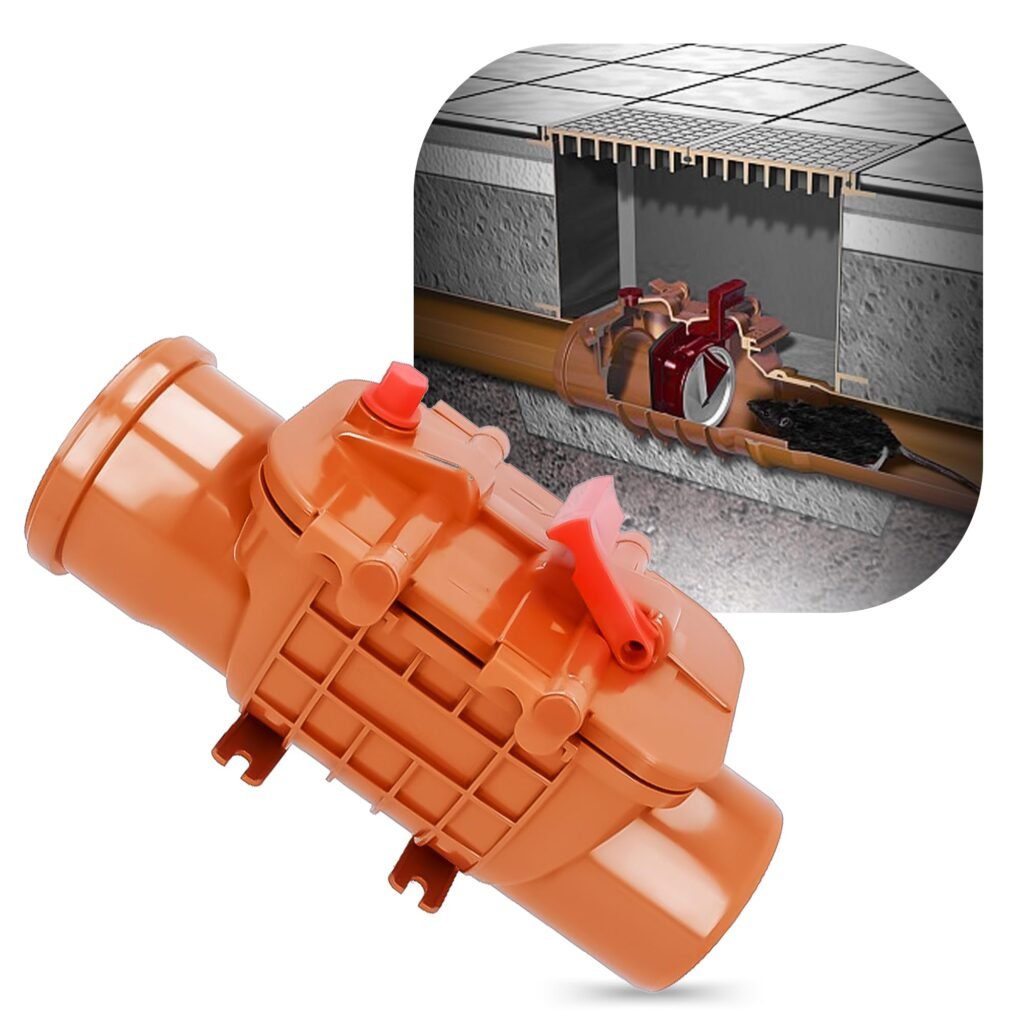
Backwater valves can fail if they’re neglected.
Do this 2–4 times per year
- Open the access cover and visually inspect the flapper/gate
- Remove debris (especially wipes, grease buildup, sediment)
- Confirm the flapper moves freely and seals fully
- Check for signs of sticking or corrosion (depending on valve type)
Pro tip: If you have kids/guests or a multi-family setup, assume “non-flushables” will happen. Maintenance matters.
Worried about basement sewer backups in Montgomery County? Call Quince Orchard Plumbing for a video camera inspection and the right prevention plan.
DIY vs calling a pro
DIY is usually not recommended if:
- the valve is on the main building drain
- any slab cutting is required
- you don’t have a cleanout/access point
- you want the valve to be serviceable and compliant
Call a pro if:
- you’ve had any sewage backup (health + contamination risk)
- the cause isn’t 100% confirmed
- you want a valve installed in the right location with proper access
For backup diagnosis and prevention planning, start with:
Service Area (Maryland only)
Quince Orchard Plumbing serves Gaithersburg (20878), Rockville, Germantown, North Potomac, Darnestown, Montgomery Village, Potomac (north), Derwood, Kentlands, and Washington Grove.