
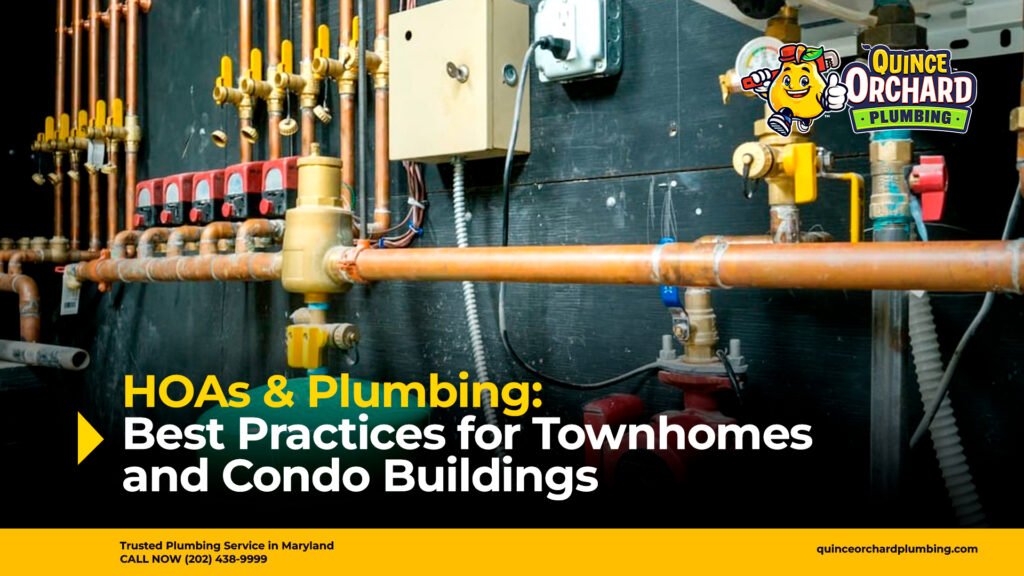
Living in a townhome or condominium community offers convenience, shared amenities, and collective upkeep. But when plumbing issues arise, things can quickly get complicated. Who’s responsible for repairs—the homeowner, the HOA, or both?
At Quince Orchard Plumbing, we regularly work with homeowners, HOAs, and property managers to resolve plumbing problems in shared buildings. This guide explains how plumbing responsibilities are divided, the most common challenges, and best practices to keep your community’s systems running smoothly.
Understanding HOA Plumbing Responsibilities
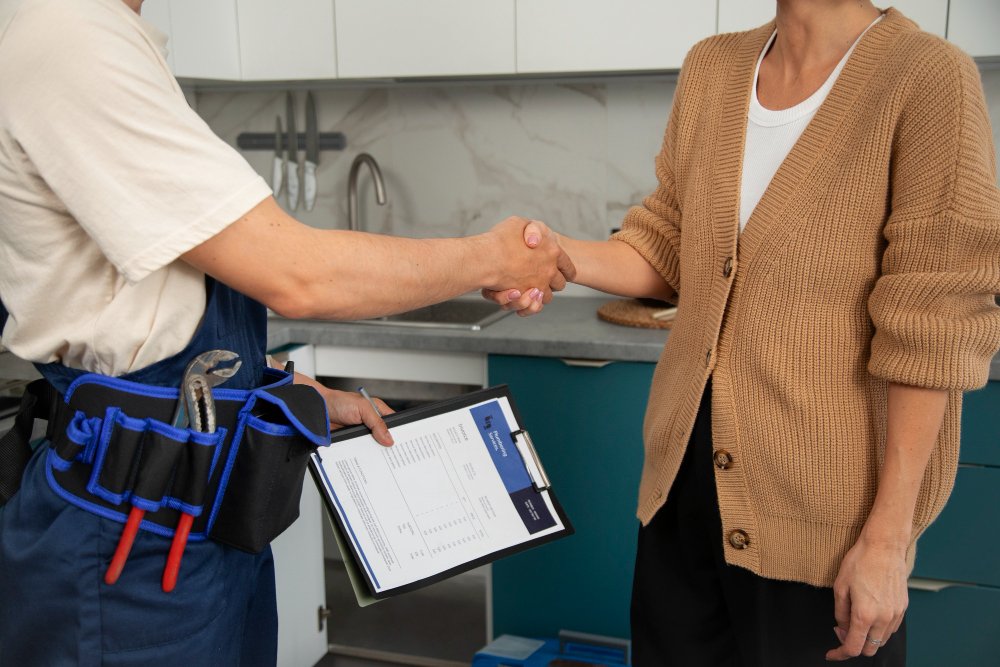
In most homeowners’ associations (HOAs), plumbing responsibilities are divided between individual unit owners and the HOA or property management company. However, the exact breakdown depends on your community’s governing documents (the CC&Rs—Covenants, Conditions, and Restrictions).
Typically:
- HOA Responsibility: Plumbing located in shared or common areas, such as main water supply lines, sewer mains, shared drain systems, and irrigation lines.
- Homeowner Responsibility: Pipes, fixtures, and connections located within the walls of the owner’s unit or serving only that specific residence.
For example, if a leak originates in the building’s main water line, the HOA generally covers it. If the leak occurs in a homeowner’s bathroom pipe, that individual is responsible for repairs.
If your community frequently experiences recurring leaks or inconsistent water pressure, professional Water Line Repair services can help address the root cause before it affects multiple units.
Common Plumbing Challenges in Townhomes and Condos
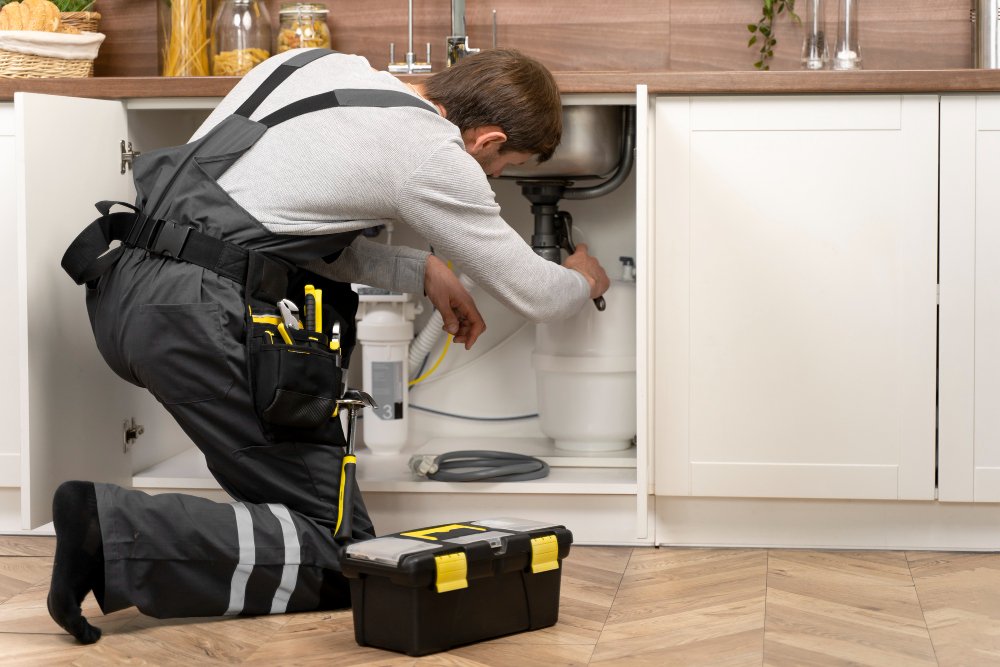
Shared living spaces create unique plumbing challenges. Based on our experience servicing multi-unit buildings, these are the most frequent issues we encounter:
- Water Leaks Between Units
A leak in one unit can easily spread to another, making it difficult to determine liability. Video inspections are often required to locate the exact source.
Our Video Camera Sewer Inspection service allows HOA boards and homeowners to verify where leaks originate—essential for resolving disputes fairly. - Clogged Main Sewer Lines
When multiple units share a sewer connection, one resident’s misuse (like flushing non-flushable items) can block the entire system. Regular Sewer Line Repair & Replacement helps prevent backups and costly repairs. - Water Pressure Imbalances
Shared plumbing systems must maintain consistent water pressure across multiple floors and units. Imbalances often lead to water hammer, leaks, or premature wear on pipes and fixtures. - Backflow and Cross-Contamination
In larger properties, backflow risks increase due to interconnected systems. Installing and maintaining proper Backflow Prevention devices is essential to keep drinking water safe for all residents. - Aging Water Heaters and Shared Systems
Many condo buildings use centralized or older water heaters that struggle to meet demand. Upgrading to energy-efficient systems or performing scheduled Water Heater Services helps prevent outages and flooding.
The Importance of Preventive Maintenance
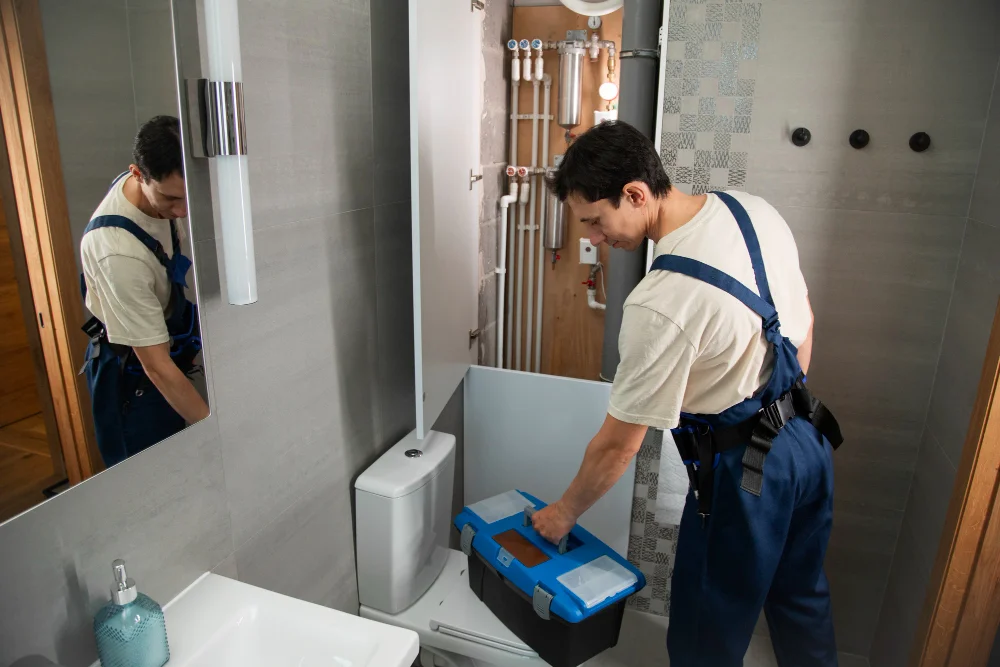
In townhome and condo communities, preventive maintenance isn’t just smart—it’s cost-effective. Since multiple units depend on shared infrastructure, a single issue can escalate into widespread damage.
Proactive maintenance strategies include:
- Annual Inspections: Schedule professional inspections of main lines, shutoff valves, and pressure regulators.
- Routine Drain Cleaning: Keeps water flowing freely and prevents blockages.
- Water Heater Flushing: Removes sediment and improves energy efficiency.
- Leak Detection Systems: Modern sensors can alert both homeowners and HOAs before minor leaks become disasters.
- Sewer Camera Inspections: Detect hidden issues before they impact multiple units.
When HOAs partner with experienced plumbing professionals like Quince Orchard Plumbing, they gain both peace of mind and long-term savings through early detection and repair.
Coordinating Repairs Between HOAs and Homeowners
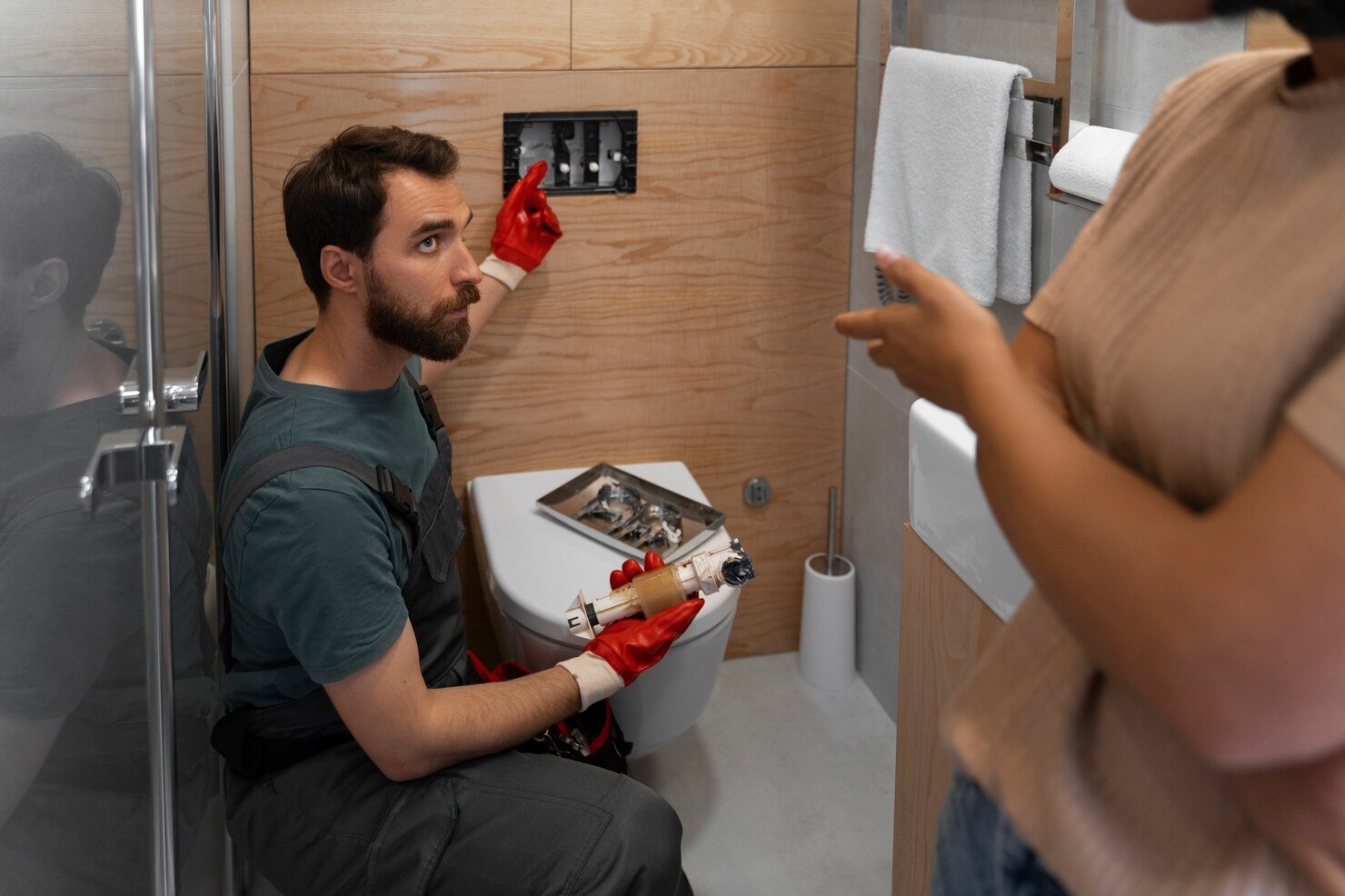
One of the biggest challenges in shared communities is determining who pays for what. When a plumbing issue affects multiple units, tension can rise quickly. Here’s how to streamline communication and resolution:
- Document Everything: Take photos, videos, and notes detailing when and where the issue started.
- Notify Both Parties Immediately: Homeowners should inform both the HOA and property management when problems arise.
- Use Professional Inspection Reports: Objective findings from a licensed plumber—such as a Video Camera Sewer Inspection—help determine responsibility.
- Clarify Financial Responsibility in Writing: The HOA’s governing documents should specify maintenance obligations for each party.
- Plan Joint Maintenance Programs: Many associations create plumbing maintenance schedules shared across units to avoid confusion.
Working together with a reliable plumbing company ensures accountability and helps both sides avoid costly miscommunication.
Keep your water heater safe year-round — schedule your professional tune-up today.
Plumbing Best Practices for HOAs and Residents
To maintain safe and efficient plumbing systems in multi-unit buildings, both residents and HOAs should follow these best practices:
For Homeowners:
- Avoid flushing wipes, grease, or debris down drains.
- Check visible pipes and fixtures regularly for leaks or corrosion.
- Schedule periodic Water Heater Services to keep equipment efficient.
- Report any unusual sounds or water discoloration immediately.
For HOAs:
- Maintain a clear maintenance policy for shared plumbing components.
- Keep a preferred-vendor relationship with a trusted plumbing company.
- Invest in Backflow Prevention and mainline inspections.
- Budget for annual plumbing assessments as part of the community’s preventive maintenance plan.
When both parties stay proactive, the community avoids emergencies and expensive repair projects.
When to Call a Professional Plumber
If you experience low water pressure, recurring drain backups, or unexplained water leaks, it’s time to involve a professional. HOA boards should keep a licensed plumbing team on call for emergencies and annual maintenance.
At Quince Orchard Plumbing, we specialize in complex systems that serve multiple units. Our technicians are trained to diagnose shared-line issues, perform Sewer Line Repairs, and install backflow prevention devices in compliance with Maryland codes.
We also provide Water Line Repair and Video Camera Inspections to help HOAs maintain full system visibility.
Why Choose Quince Orchard Plumbing for HOA and Condo Plumbing
Managing plumbing systems in shared residential environments requires expertise, precision, and consistency. Our team at Quince Orchard Plumbing understands the challenges of balancing HOA responsibilities with homeowner needs.
We work directly with property managers and residents to deliver transparent, reliable plumbing solutions that minimize disruption and maximize system longevity.
From backflow testing to full-scale pipe replacements, we provide tailored maintenance plans that help HOAs protect property value and maintain compliance with local standards.