

A sewage ejector pump moves wastewater from a basement bathroom or laundry area up to the home’s main sewer line. So, when a sewage ejector pump can’t keep up, you may see slow drains, rising water in the basin, and an alarm that won’t stay quiet. However, you can reduce the risk of a messy backup if you take the right steps immediately.
This guide is for homeowners in Gaithersburg (20878) and nearby Montgomery County areas including Rockville, Germantown, North Potomac, Darnestown, Montgomery Village, Potomac (north), Derwood, Kentlands, and Washington Grove.
Sewage ejector pump: what “not keeping up” looks like
A struggling sewage ejector pump usually shows one or more of these symptoms:
- The high-water alarm goes off repeatedly
- The basin level rises and falls slowly
- Basement toilet flushes sluggishly (or bubbles)
- Basement shower/tub drains slowly, especially during heavy use
- You hear the pump run longer than normal
- You smell sewage near the pit lid or basement floor drain
Importantly, a sewer gas smell can signal a seal/trap issue or an active backup risk. Therefore, treat odor plus slow drains as urgent.
Sewage ejector pump: safety first (do this immediately)
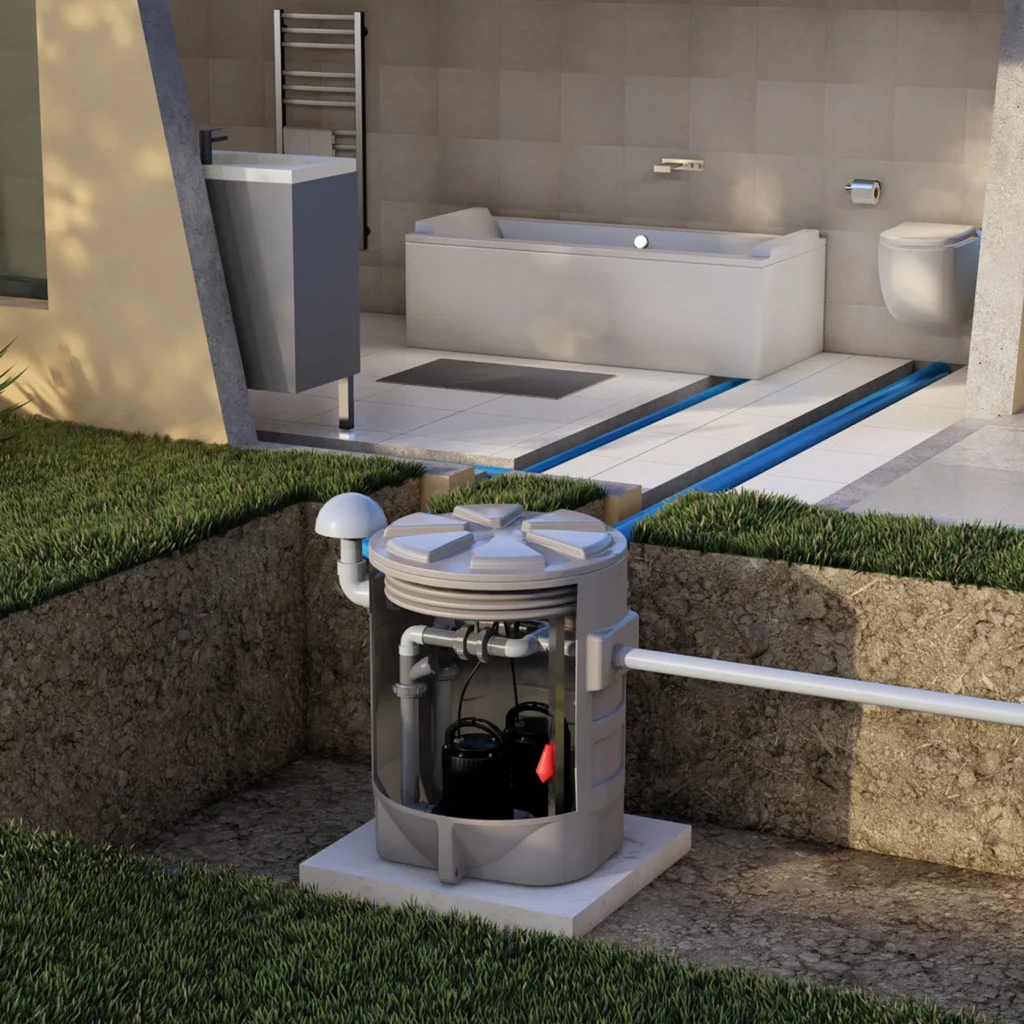
If you suspect your sewage ejector pump is not keeping up:
- Stop using basement plumbing.
First, do not flush the basement toilet, run the shower, or use the basement sink. Otherwise, you can overload the basin quickly. - Limit water use upstairs.
Next, keep laundry, dishwashers, and long showers to a minimum until you confirm the issue. Depending on how your plumbing is tied in, upstairs water can still add load. - Avoid opening the basin unless you have to.
Sewage pits contain contamination risks. If you open the lid, protect yourself properly and keep kids/pets away. - If sewage is on the floor, treat it as contaminated.
In that case, avoid direct contact and plan for proper cleanup. EPA’s guidance on mold cleanup after water events is useful here: https://www.epa.gov/mold
Sewage ejector pump not keeping up: quick diagnosis guide
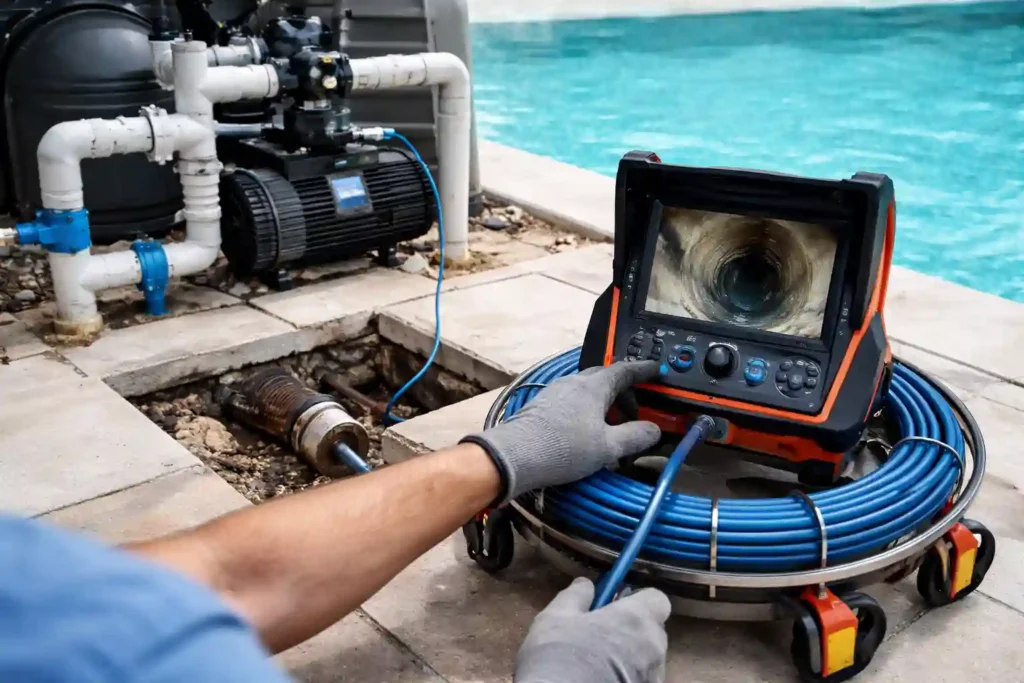
Before you troubleshoot deeply, answer these questions:
1) Is the pump running but the level doesn’t drop?
If yes, you likely have a discharge blockage, a failed check valve, or a damaged impeller.
2) Is the pump silent while the alarm is on?
If yes, suspect a power issue, a failed switch/float, or a dead pump.
3) Did the problem start during heavy rain?
If yes, you may have a main sewer restriction adding backpressure, which can make an ejector system behave badly.
If you suspect the main line is involved, start with Video Camera Sewer Inspection.
Sewage ejector pump: the 7 most common causes
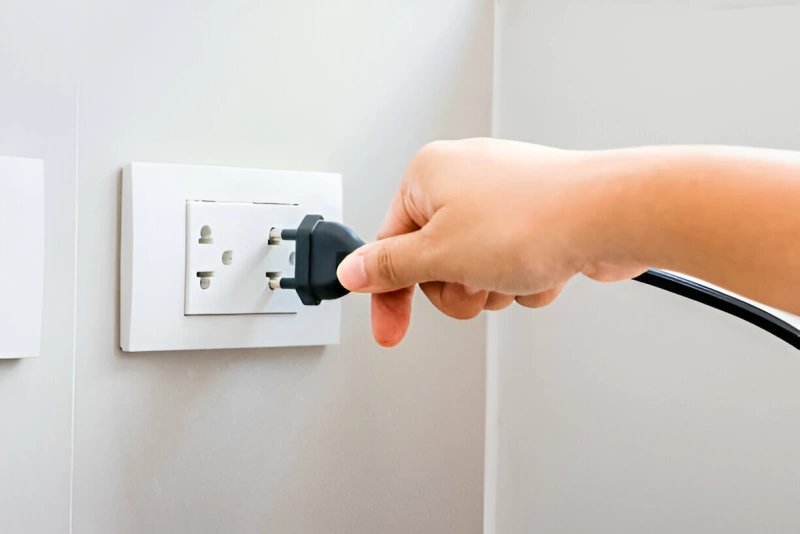
1) Sewage ejector pump float switch is stuck
Float issues are common. Therefore, always check this first.
Clues
- Alarm on, pump doesn’t cycle correctly
- Float tangled in cords or pinned to the basin wall
Next step
- Turn off power and call a pro if you can’t safely access the float area.
2) Sewage ejector pump check valve failed (backflow into the pit)
A failed check valve lets wastewater fall back into the basin. As a result, the pump runs more often and may never catch up.
Clues
- Level drops, then rises again quickly
- Pump runs repeatedly in short cycles
- You hear a loud “thunk” at shutoff
3) Sewage ejector pump discharge line is blocked or restricted
A restriction can prevent proper pumping.
Clues
- Pump runs, but level barely drops
- You hear the motor strain
- The system worked fine, then suddenly didn’t
4) Sewage ejector pump is undersized for current use
Sometimes the home changes: more occupants, more laundry, or a new basement bathroom. Therefore, the system that “used to be fine” now falls behind.
Clues
- Problems happen mostly during peak use
- The pump runs long during showers and laundry
- You rarely hear it cycle off quickly
If your sewage ejector pump isn’t keeping up, call Quince Orchard Plumbing for fast diagnosis and safe repairs in Gaithersburg and Montgomery County, MD.
5) Sewage ejector pump impeller is jammed or worn
Wipes, feminine products, and debris jam impellers. Additionally, wear over time reduces capacity.
Clues
- Abnormal sounds
- Weak pumping performance
- Frequent alarms after normal use
6) Sewage ejector pump power problems (GFCI/breaker/outlet)
Power interruptions can mimic a pump failure.
Clues
- Alarm on, pump silent
- Tripped breaker or GFCI outlet
- Loose plug or damaged cord
If the area is wet, shut off the breaker before touching anything.
7) Main sewer clog adds backpressure (yes, it affects ejector systems)
A main line restriction can prevent the ejector discharge from flowing freely. Consequently, the basin level rises faster and the alarm triggers.
If multiple fixtures in the house drain slowly or gurgle, a camera inspection often provides the fastest clarity: Video Camera Sewer Inspection. If the line is damaged, repairs may require Sewer Line Repair & Replacement.
For general background on sanitary sewer overflow conditions and what contributes to backups, EPA explains it here: https://www.epa.gov/npdes/sanitary-sewer-overflow-sso-frequent-questions
Sewage ejector pump: safe next steps (what to do now)
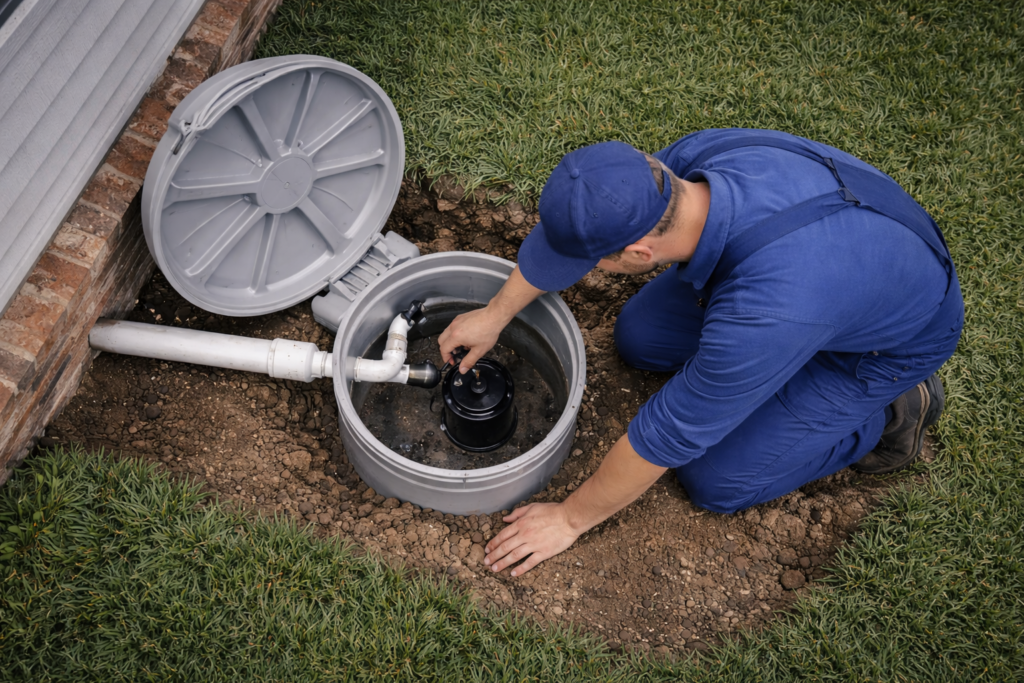
Step 1: Reduce load immediately
Stop using the basement bathroom. Then, minimize upstairs use until the level stabilizes.
Step 2: Check power safely (only if dry)
If the area is dry:
- Confirm the pump is plugged in
- Check breaker/GFCI
- Verify the alarm panel status
If the area is wet, shut power off and call a plumber.
Step 3: Don’t “DIY drain-clean” an ejector pit
Do not pour chemicals into the basin. Also, do not open the pit unless you have the right protective gear and you understand the risks.
Step 4: Schedule professional diagnosis before it overflows
A plumber can confirm whether the problem is the pump, the float, the check valve, or the main line. That’s the difference between a fast fix and a repeat emergency.
Sewage ejector pump: when to call a plumber immediately
Call right away if:
- The alarm is on and the basin level is rising
- You see sewage or smell strong odors
- The pump runs but the level doesn’t drop
- Multiple drains in the home are slow or gurgling
- This has happened more than once in the last year
If the issue appears tied to a broader sewer restriction, start with Video Camera Sewer Inspection.
If the line needs work, use Sewer Line Repair & Replacement.
If your sewage ejector pump isn’t keeping up, call Quince Orchard Plumbing for fast diagnosis and safe repairs in Gaithersburg and Montgomery County, MD.
Prevention tips for sewage ejector pump systems
- Avoid flushing wipes (even “flushable” ones) and hygiene products.
- Test the alarm and pump function before storm season.
- Keep the basin lid sealed and accessible.
- If you have a finished basement, consider a water alarm nearby.
Additionally, after any sewage event, dry the area quickly and disinfect appropriately to reduce contamination and mold risk. EPA guidance: https://www.epa.gov/mold
Service Area (Maryland only)
Quince Orchard Plumbing serves Gaithersburg (20878), Rockville, Germantown, North Potomac, Darnestown, Montgomery Village, Potomac (north), Derwood, Kentlands, and Washington Grove.