
Home remodeling projects are exciting. Whether you’re updating a bathroom, redesigning your kitchen, or finishing a basement, there’s something satisfying about transforming your living space. But when it comes to plumbing, one wrong move can turn a dream project into a costly nightmare.
At Quince Orchard Plumbing, we’ve repaired countless DIY plumbing mistakes over the years. From hidden leaks to improperly vented drains, we’ve seen how small errors lead to big problems. Understanding these common pitfalls can save you thousands of dollars—and hours of frustration—during your next home remodel.
Why DIY Plumbing Mistakes Are So Common
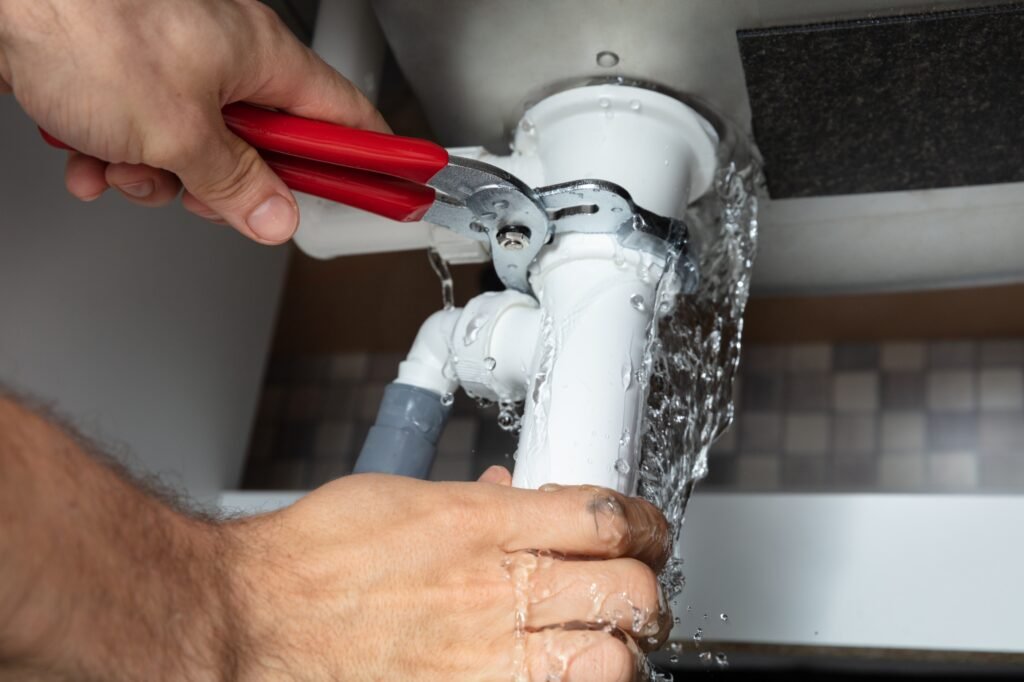
Plumbing looks simple on the surface—connect a few pipes, tighten a few joints, and you’re done, right? Unfortunately, the reality is far more complex. Plumbing systems are intricate networks that must meet local building codes, maintain proper pressure, and drain efficiently to avoid backflow and contamination.
DIY enthusiasts often underestimate:
- The importance of water pressure balancing.
- How drain slope and venting affect flow.
- The hidden impact of poor fittings or unapproved materials.
Remodeling projects involving water lines or drains should always involve professional guidance. Even seemingly minor mistakes can cause long-term structural and water damage.
1. Failing to Check Local Plumbing Codes
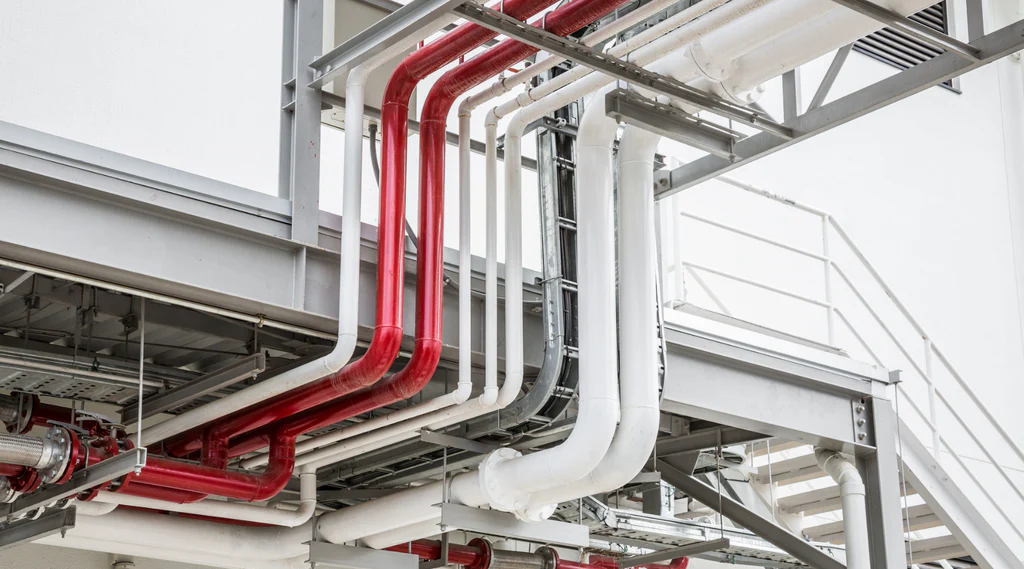
Every city and county has its own plumbing regulations. DIY remodelers often start projects without consulting code requirements for pipe materials, venting, or backflow prevention.
For instance, connecting new fixtures without a backflow prevention device can allow contaminated water to re-enter your clean water supply. This isn’t just a code violation—it’s a health hazard.
If you’re remodeling in Montgomery County or nearby areas, our licensed experts can inspect your system and recommend compliant upgrades. Learn more about our Backflow Prevention Services to keep your home safe and code-ready.
2. Incorrect Pipe Connections and Fittings
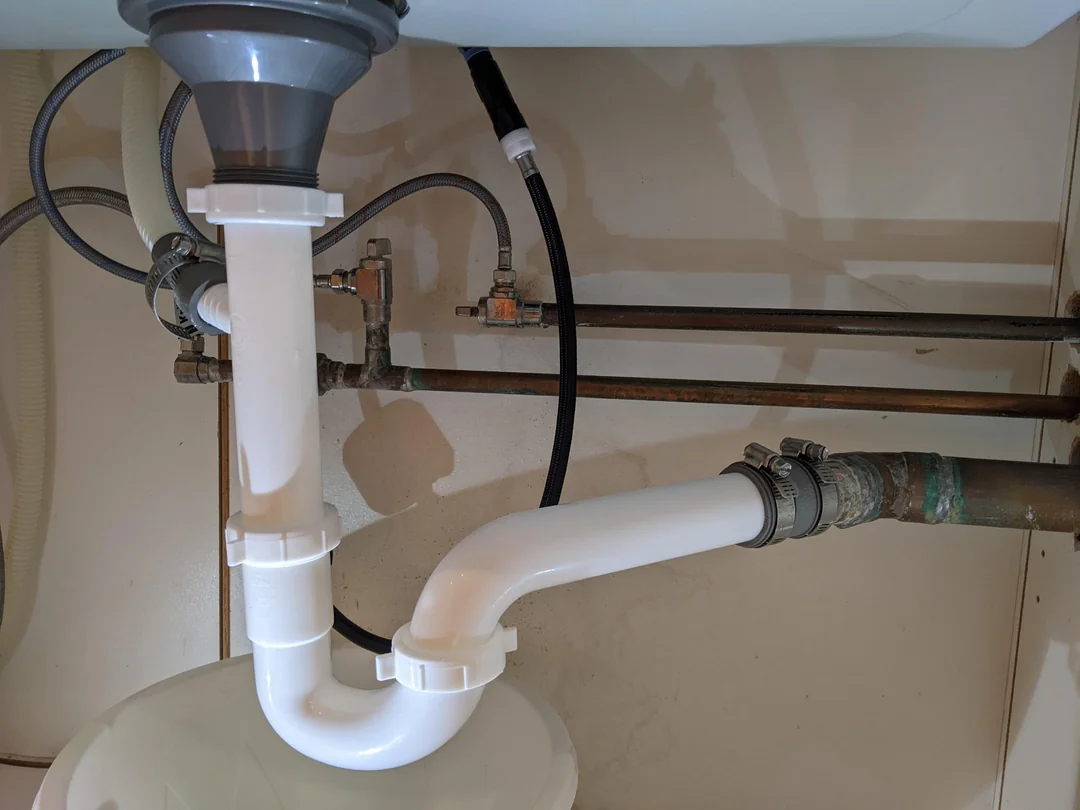
One of the most common DIY plumbing mistakes we see involves using the wrong connectors or materials. For example:
- Mixing copper and galvanized pipes can lead to corrosion and leaks.
- Using PVC in hot-water lines can cause warping.
- Forgetting to apply Teflon tape or pipe sealant can result in slow leaks that go unnoticed for months.
These errors are especially common in kitchen or bathroom remodels. If you’re adding new fixtures or relocating lines, it’s best to have a professional plumber perform a water line repair or reconfiguration to ensure reliable and leak-free performance.
3. Ignoring Drain Slope and Venting
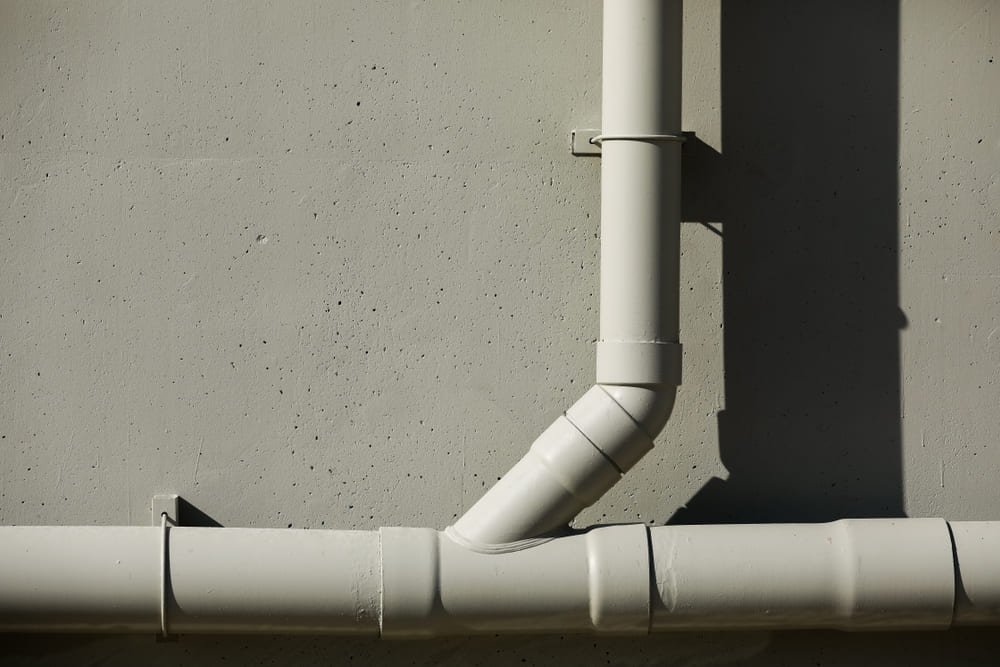
Plumbing isn’t just about supply—it’s about proper drainage. In many DIY remodels, homeowners reroute drains without considering slope or ventilation. When waste pipes don’t slope correctly (typically a ¼ inch per foot), water and waste stagnate inside the pipe, leading to clogs and unpleasant odors.
Equally problematic is neglecting vent pipes, which equalize pressure and allow wastewater to flow freely. A poorly vented system can cause gurgling sounds, slow drainage, or sewer gas odors.
If you’re planning a remodel that affects existing drains, schedule a Video Camera Sewer Inspection to identify the best routing and slope before sealing your walls or floors.
4. Cutting Into Structural Elements
In an attempt to run pipes through tight spaces, some DIYers drill through studs, joists, or even concrete slabs without proper planning. This can weaken your home’s structure and violate building codes.
We’ve encountered remodels where pipes were forced through load-bearing beams, compromising both safety and plumbing integrity. Professional plumbers understand how to route pipes efficiently without damaging structural supports.
If you’ve discovered old or incorrectly routed pipes during your project, a Sewer Line Repair & Replacement service can ensure your system is corrected safely and up to code.
Remodeling soon? Avoid leaks and costly repairs — schedule a plumbing inspection with Quince Orchard Plumbing today.
5. Forgetting to Shut Off the Water Supply
It might sound simple, but failing to turn off the main water valve before starting work is one of the most frequent (and messy) mistakes we encounter. The result? Flooded floors, damaged drywall, and ruined materials—sometimes within seconds.
Before beginning any DIY plumbing project, always locate and test your main shut-off valve. If it’s old or doesn’t work properly, have it replaced immediately.
At Quince Orchard Plumbing, our technicians inspect main shut-off valves during Water Line Repair or general maintenance visits to ensure your system can be safely isolated when needed.
6. Poor Water Pressure Management
Water pressure might seem like a secondary concern during remodeling, but it directly affects fixture performance and longevity. Too much pressure strains joints, fixtures, and water heaters; too little pressure causes slow flow and inconsistent temperature.
If your remodel includes new fixtures, pipes, or a water heater, ask a licensed plumber to test and regulate your system. Our Water Heater Services include evaluating pressure balance and ensuring your new setup runs safely and efficiently.
7. Inadequate Leak Testing
Many DIYers finish a remodel, turn the water back on, and assume everything’s fine. But leaks don’t always appear immediately—they often develop slowly behind walls, under sinks, or beneath floors.
Professional plumbers conduct pressure tests and leak inspections before completing any project. This step can save homeowners from costly repairs later on. If your plumbing is concealed behind new tile or drywall, consider a follow-up inspection a few weeks after installation.
8. Skipping Professional Help for Complex Systems
Some projects simply go beyond the scope of DIY work. Adding a new bathroom, relocating kitchen plumbing, or rerouting drain lines requires advanced knowledge of slope, venting, and pressure dynamics.
At Quince Orchard Plumbing, we encourage homeowners to handle aesthetic upgrades—like painting or fixture selection—but leave the core plumbing work to certified professionals. Attempting to handle both can result in hidden leaks, backflow issues, and even voided insurance coverage.
How to Avoid DIY Plumbing Mistakes Altogether
Avoiding these pitfalls doesn’t mean giving up on your remodeling goals—it means approaching them with preparation and expertise. Here’s how:
- Plan ahead: Review blueprints and identify all plumbing lines before starting.
- Consult a plumber early: A brief consultation can prevent major issues.
- Use proper materials: Always buy pipes, fittings, and sealants approved for residential systems.
- Test before closing walls: Verify water pressure, drainage, and leak integrity.
- Schedule professional inspections: Annual checks keep your system in peak condition.
Why Homeowners Trust Quince Orchard Plumbing
At Quince Orchard Plumbing, we’re proud to serve homeowners across Montgomery County with reliable, expert plumbing support. Whether you need water line repair, backflow prevention, or a full plumbing inspection, our licensed team ensures your system remains efficient, compliant, and safe.
We’re here to correct DIY plumbing errors—or better yet, help you prevent them before they start.
Final Thoughts
Home remodeling can transform your space—but when plumbing is done incorrectly, it can also destroy it. Avoiding the most common DIY plumbing mistakes ensures your investment lasts for years to come.When in doubt, trust the professionals at Quince Orchard Plumbing. Our certified team combines precision, experience, and care to make sure your remodel is not only beautiful—but built on a foundation of safe, reliable plumbing.