

Seeing water around the base of your water heater is stressful—especially in a basement, garage, or utility closet where leaks can spread quietly. The good news is that a “bottom leak” doesn’t always mean the tank is dead. The bad news is that some bottom leaks do mean the tank has reached end-of-life and replacement is the safest path.
In this guide, I’ll walk you through safe first steps, the most common causes, and a simple decision process to know when it’s time to replace. This is written for homeowners in Montgomery County, Maryland—including Gaithersburg (20878), Rockville, Germantown, North Potomac, Derwood, and nearby areas—where many homes are 25–40 years old and water heaters often fail without much warning.
What to do in the first 5 minutes (safety first)
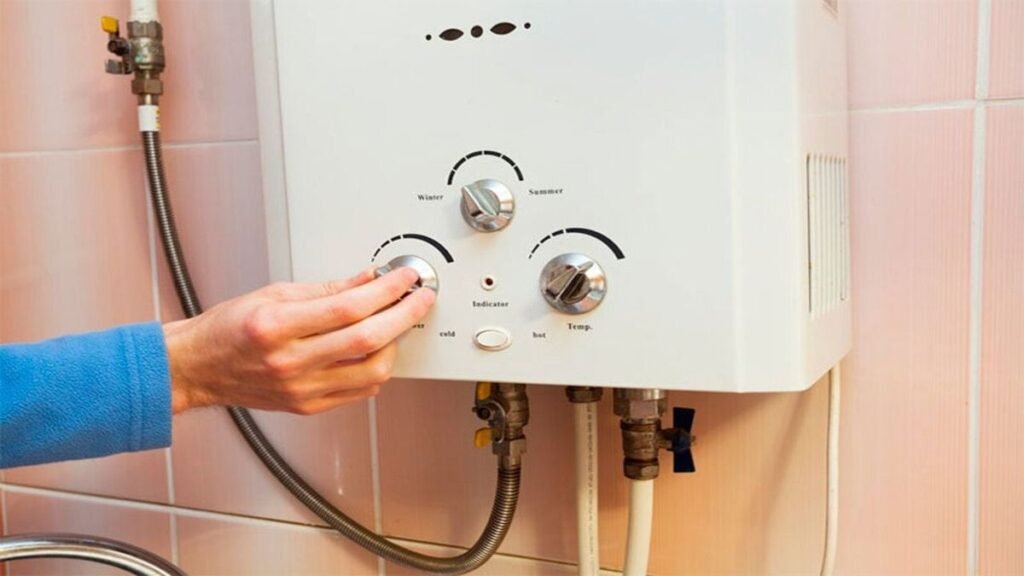
If the leak is active or the puddle is growing, treat it like a water damage risk first, and a “plumbing diagnosis” second.
1) Turn off power or gas
- Electric water heater: switch OFF the water heater breaker (don’t touch wet panels or wiring).
- Gas water heater: set the gas control to OFF.
If you smell gas or hear hissing: leave the area and call your gas utility or emergency services.
2) Shut off the cold water supply to the heater
Find the cold-water shutoff valve on the pipe feeding the top of the tank and close it (clockwise).
3) Contain water and protect the area
- Put towels down or use a wet/dry vac.
- If your heater is near drywall, storage boxes, or finished flooring, move items now.
4) If you need to stop pressure fast (optional)
Open a hot water faucet nearby for a few seconds to relieve pressure.
If you’re not sure what you’re seeing—or you want a professional to handle this safely—start with Water Heater Services and we’ll guide you from there.
Need help with a leaking water heater? Call Quince Orchard Plumbing for fast, local service in Montgomery County, Maryland.
Important: a puddle at the bottom doesn’t prove the bottom is leaking
Water runs downhill. A slow drip from a connection up top can travel down the jacket and pool underneath, making it look like a bottom leak.
Quick test:
Dry the outside of the tank with a towel, then check again in 5–10 minutes:
- If you see fresh water tracks starting higher up, it’s likely a fitting/valve/pipe issue.
- If water appears from under the tank base, the tank or lower components are more suspect.
7 common causes of “water heater leaking from the bottom”
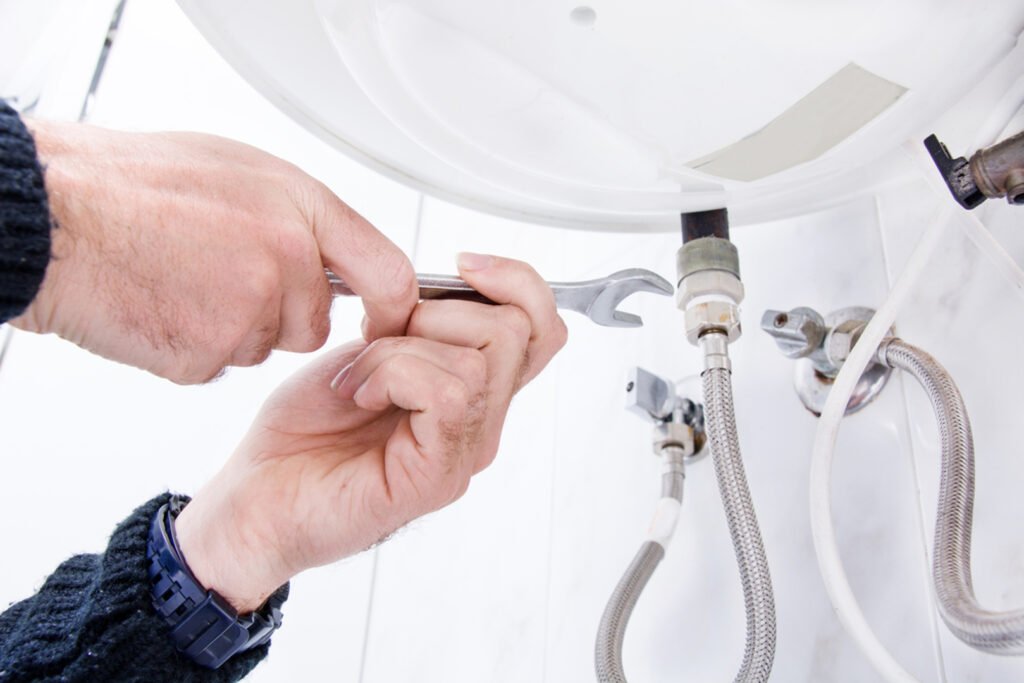
1) Drain valve (boiler drain) is leaking
This is one of the most common “false tank failures.” The drain valve sits low and can drip slowly.
What you’ll see: water beads or drips right at the valve outlet.
Safe check:
Dry it and watch the valve area closely. If it’s dripping from the valve stem or body, it may need replacement.
2) Condensation (not a leak)
In humid weather—or if very cold water is entering the tank—condensation can form and drip down.
What you’ll see: light sweating, usually intermittent, often without rust streaks.
Safe check:
If the puddle is small and stops after the heater runs and warms up, condensation is possible. If it’s steady or increasing, keep diagnosing.
3) Temperature & Pressure relief (T&P) discharge is dripping
The T&P valve discharge pipe can dump water if the system is over-pressurized or overheated.
What you’ll see: water coming from the discharge tube, often nearby and easy to miss.
Why it matters:
Persistent T&P discharge can indicate high water pressure or thermal expansion. If you’re seeing pressure-related issues in the home, we can evaluate supply conditions through Water Line Repair as part of the bigger picture.
4) Loose or failing plumbing connections (water runs down to the base)
Connections at the top (hot outlet, cold inlet, nipples, flex lines) can drip and track down the tank shell.
What you’ll see: dampness around the top connections, then water trails down.
5) Electric water heater: heating element gasket leak (looks like a bottom leak)
On electric units, a failing element gasket can leak and run down to the base.
What you’ll see: moisture that seems to start mid-lower section, then pools under the tank.
6) Internal tank corrosion (true tank leak)
If the steel tank has corroded through at the bottom seam, the tank itself is failing.
What you’ll see: persistent puddle that returns quickly, often with rust staining.
7) Sediment buildup causing overheating and stress
Mineral sediment settles at the bottom of the tank. Over time, it can reduce efficiency and contribute to premature failure—especially in older units that haven’t been flushed regularly.
Safe inspection checklist (10–15 minutes)

Use this quick checklist after you’ve shut off power/gas and water:
- Water is NOT coming from a pipe above the heater
- Drain valve area is dry (or clearly the source)
- T&P discharge pipe is dry (or clearly dripping)
- Top connections are dry (no tracking water)
- Tank base seam shows no rust streaks or active seepage
- No bulging, severe corrosion, or wet insulation around the jacket
If the leak source is unclear, say “yes” to professional help. Water heaters combine electricity/gas + pressure + heat—and guessing wrong can get expensive fast.
Repair vs replace: a simple decision tree
You can often repair when…
- The leak is clearly from a drain valve, T&P valve, or a top connection
- The tank body is not rusting through
- The unit is relatively newer and otherwise performing well
In these cases, a pro repair visit through Water Heater Services is usually the most efficient next step.
You should strongly consider replacement when…
- Water appears from under the tank base (true bottom seam leak)
- There’s visible corrosion, rust streaking, or wet insulation around the jacket
- The unit is older and repairs are starting to stack up
- You’re dealing with recurring T&P discharge tied to pressure/expansion issues and the system is not properly protected
When a tank is leaking internally, patching isn’t a real fix—replacement is the safe fix.
Prevention: reduce the chance of water damage from the next failure
Even a well-maintained heater can eventually fail. These upgrades help limit damage:
- Install a properly sized drain pan (and a drain line where possible)
- Add a water leak alarm near the heater
- Consider an automatic shutoff valve for critical areas
- Keep up with annual maintenance (flushing, inspection, anode checks)
If your home has irrigation, specialty plumbing, or cross-connection risk points, it’s also a good time to confirm protective devices are in place and working with Backflow Prevention Services.
Need help with a leaking water heater? Call Quince Orchard Plumbing for fast, local service in Montgomery County, Maryland.
One more “hidden” risk: floor drains and backups
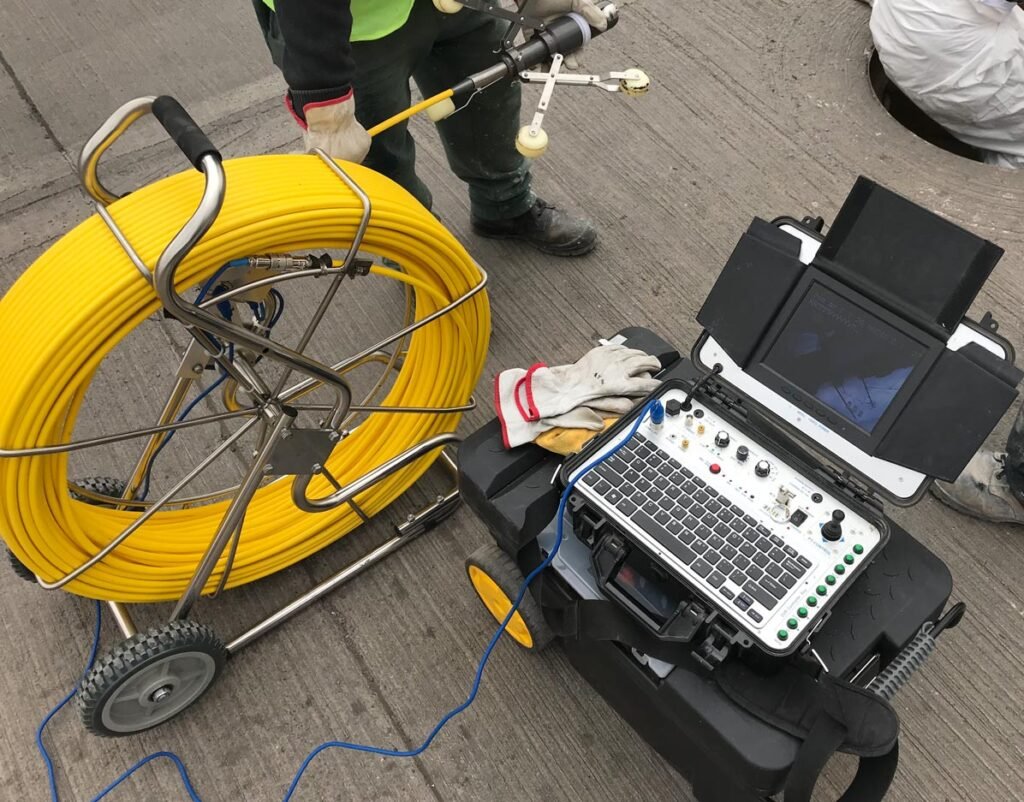
If you attempt to drain a leaking heater and notice a floor drain backing up, slow drainage, or sewage odors, that’s a separate issue worth addressing before it becomes a bigger mess. A Video Camera Sewer Inspection can identify blockages or root intrusion, and if needed we handle Sewer Line Repair & Replacement.
Service Area (Maryland only)
Quince Orchard Plumbing serves Gaithersburg (20878), Rockville, Germantown, North Potomac, Darnestown, Montgomery Village, Potomac (north), Derwood, Kentlands, and Washington Grove.