

If you notice water meter spinning with everything off, you likely have a hidden leak. Fortunately, you can confirm it in about 10 minutes using a simple, safe test. In addition, you can narrow the source quickly with a few basic checks.
This guide is for homeowners in Gaithersburg (20878) and nearby Montgomery County areas including Rockville, Germantown, North Potomac, Darnestown, Montgomery Village, Potomac (north), Derwood, Kentlands, and Washington Grove.
Water meter spinning: what it usually means
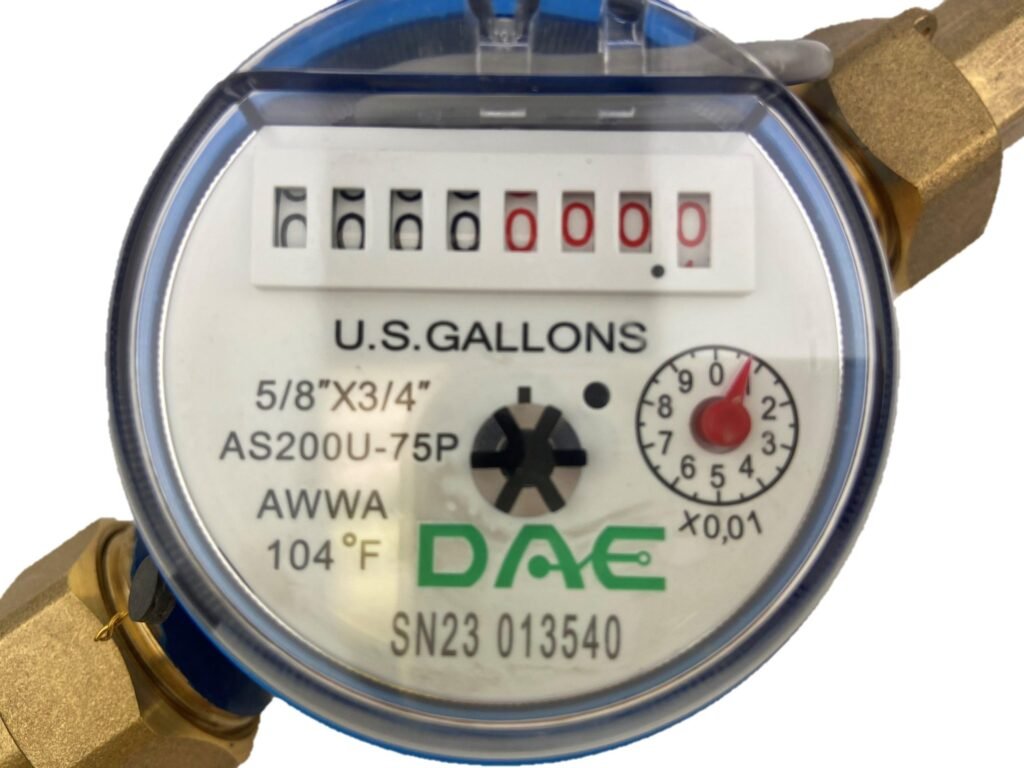
When water meter spinning continues even though no one is using water, one of these issues often causes it:
- A running toilet flapper or a slow fill valve leak
- A leaking irrigation valve or underground sprinkler line
- A leaking hose bib or outdoor faucet line
- A small supply-line leak under a sink, behind a wall, or in a crawlspace
- A water heater discharge/drip issue (less common, but possible)
In other words, the meter often reveals problems long before you see visible damage. For example, a toilet leak can waste a surprising amount of water without making noise.
For practical leak-saving tips, EPA WaterSense has helpful guidance here: https://www.epa.gov/watersense/fix-leak-week
Water meter spinning: the 10-minute hidden leak test
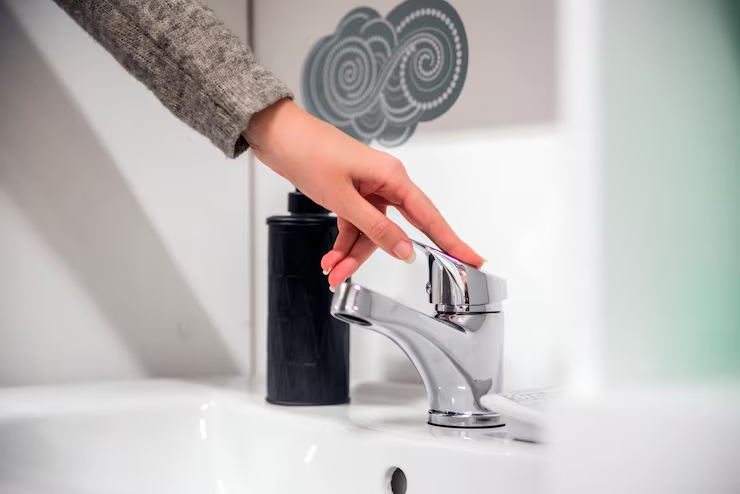
Step 1: Shut off all water use (2 minutes)
First, make the house “quiet”:
- Turn off faucets and showers
- Stop laundry and dishwasher
- Avoid flushing toilets
- Pause icemaker fill (optional)
Then, wait 1–2 minutes so pressure settles.
Step 2: Watch the leak indicator (2 minutes)
Next, look for the leak indicator on your meter:
- A small triangle/star wheel that spins, or
- A small dial that creeps forward
If it moves, you have flow. Therefore, you likely have a leak.
Step 3: Take a “before” reading (1 minute)
Now, snap a photo of the meter reading (or write it down). This helps you confirm slow leaks.
Step 4: Wait exactly 10 minutes (10 minutes)
Meanwhile, use no water at all. Then recheck:
- If the indicator moved, you have a leak
- If the reading increased, you have a leak
Step 5: Confirm once more (1 minute)
Finally, repeat the check once to rule out accidental water use.
If water meter spinning shows up twice during this test, treat the leak as confirmed.
Seeing water meter spinning with everything off? Call Quince Orchard Plumbing for fast, local leak diagnosis and Water Line Repair in Montgomery County, MD.
Water meter spinning: quick isolation checks you can do safely
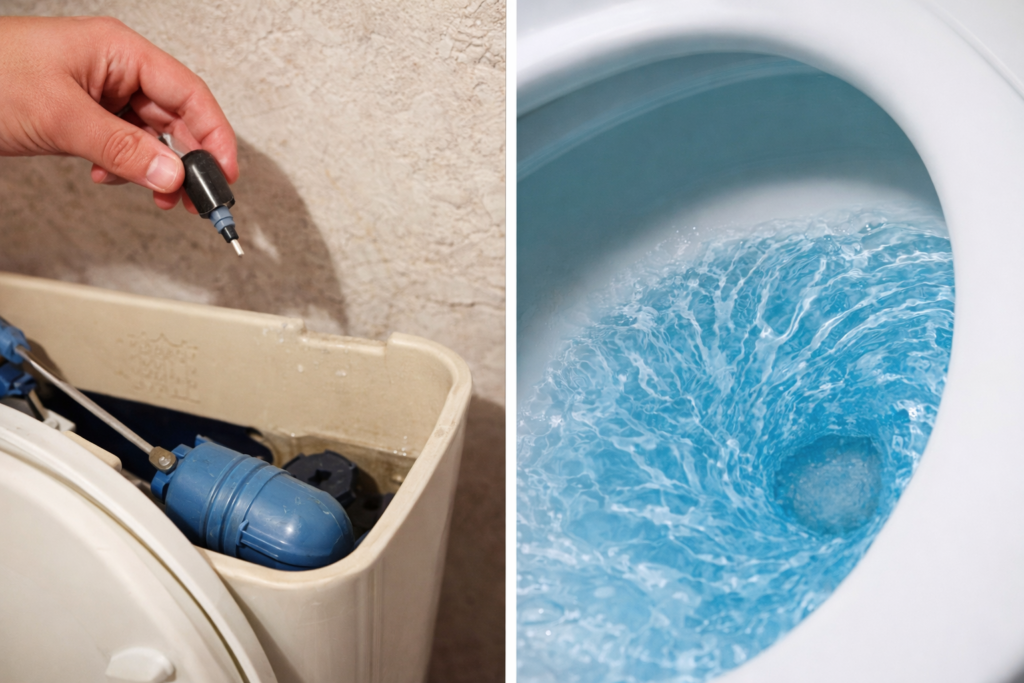
Once you confirm flow, you can narrow the source. Importantly, these steps keep the situation safe and controlled.
1) Toilets (the #1 hidden leak)
Toilets cause many “mystery” water bills. Therefore, start here.
Fast dye test:
- Put a few drops of food coloring in the toilet tank
- Don’t flush
- Wait 10–15 minutes
- If color appears in the bowl, the toilet leaks
2) Irrigation and sprinklers (if you have them)
Sprinkler valves can leak quietly. Additionally, underground breaks may not surface right away.
Quick check:
- Confirm the controller is off
- Listen near the irrigation valve/backflow area
- Look for soggy patches or unusually green strips
If you suspect a supply-side leak, start with Water Line Repair.
3) Water heater area
Sometimes homeowners blame water meter spinning, but a heater discharge line or valve creates steady flow.
Look for:
- Water around the pan
- A discharge pipe that drips frequently
- Persistent moisture near the unit
If you see anything abnormal, use Water Heater Services.
4) Outdoor faucets and hose bibs
A slow drip outside can keep water meter spinning, especially overnight.
- Remove hoses/timers
- Check the spigot and the soil nearby
- Look inside for wet rim-joist areas (basement/crawlspace)
Water meter spinning: the main shutoff test (inside vs outside leak)
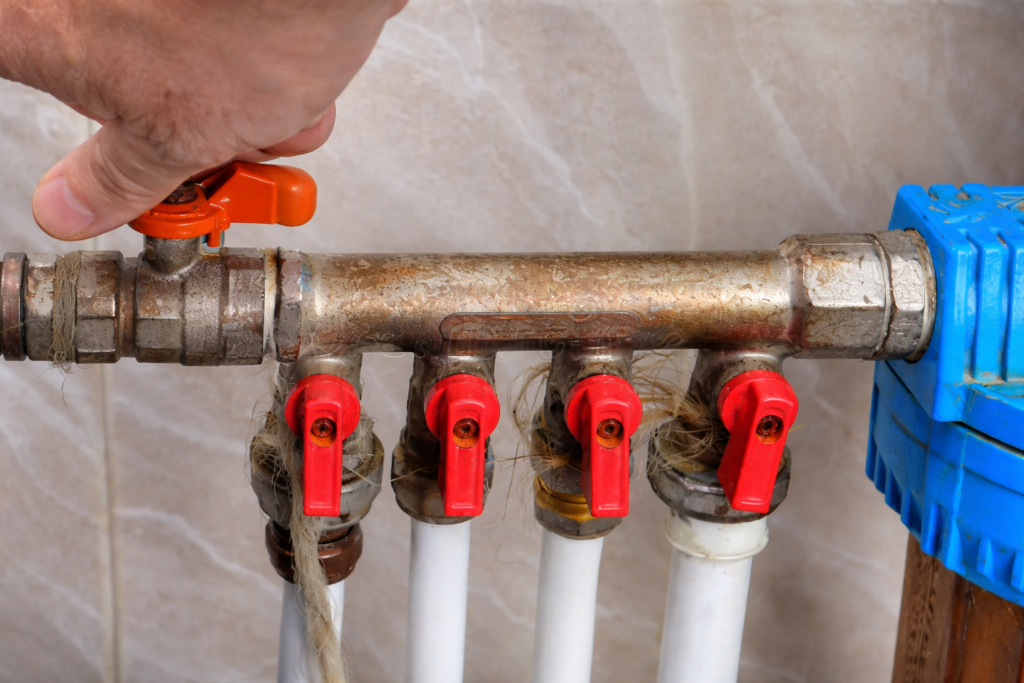
This test tells you whether the leak is inside the home or between the meter and the house.
- Confirm water meter spinning with everything off
- Turn off your home’s main shutoff valve (inside, after the meter)
- Watch the meter again
What the result means
- If the meter stops, the leak is inside the home
- If the meter keeps moving, the leak may be between the meter and the house, or the shutoff valve isn’t fully closing
As a result, this test can quickly point you toward the right repair path. For local utility resources, you can also reference WSSC Water: https://www.wsscwater.com
Water meter spinning: when to call a plumber
Call right away if:
- Water meter spinning stays steady and continuous
- Your water bill jumped unexpectedly
- You notice damp drywall, musty odors, or warm spots on floors
- You hear water running when everything is off
- You suspect a main line leak
In that case, don’t guess—main line leaks can get expensive fast. Start here: Water Line Repair.
If the heater area is involved, use: Water Heater Services.
Seeing water meter spinning with everything off? Call Quince Orchard Plumbing for fast, local leak diagnosis and Water Line Repair in Montgomery County, MD.
What to do after you confirm water meter spinning
Once you confirm water meter spinning:
- Shut off the main if you can’t locate the source
- Avoid running appliances that use water
- Document meter readings and any wet areas
- Schedule repair quickly to prevent mold and structural damage
Additionally, after the repair, consider leak detectors in the basement and under sinks for extra peace of mind.
FAQ
Can a water meter move from pressure changes alone?
Brief movement can happen. However, consistent water meter spinning almost always indicates real flow.
How small of a leak can the meter detect?
Many meters detect very small flow. Therefore, the leak indicator is extremely useful for slow leaks.
What’s the most common cause?
Toilets. In fact, a worn flapper is one of the most common “everything is off, but the meter moves” causes.
Service Area (Maryland only)
Quince Orchard Plumbing serves Gaithersburg (20878), Rockville, Germantown, North Potomac, Darnestown, Montgomery Village, Potomac (north), Derwood, Kentlands, and Washington Grove.