

Hidden leaks don’t always leave puddles. They quietly raise bills, feed mold, and weaken drywall. Here’s how I spot the clues—and confirm them—without tearing into walls.
The 7 signs homeowners miss
1) Unexplained water bill spikes

Month-over-month increases with the same usage routine often point to a slow, continuous leak on a supply line or fixture.
2) Meter moves when everything is off
Shut all fixtures and appliances, then watch the meter. If the flow indicator spins, water is escaping somewhere.
3) Musty odors or recurring mildew
A persistent damp smell—especially in closets, basements, or behind cabinets—is a classic sign of moisture trapped in cavities.
4) Warm or cold “stripes” on floors or walls
Temperature anomalies over pipes (warm for hot lines, cool for cold lines) can hint at a hidden leak or sweating.
5) Bubbling paint, hairline cracks, or soft drywall
Moisture behind the surface breaks adhesion. Look for dimpling around baseboards and under windows.
6) Hissing, dripping, or “trickling” sounds
If you hear water with fixtures off, listen along walls/floors; supply leaks often whisper, while drain leaks drip after use.
7) Lower pressure or air bursts at faucets
Intermittent spurts or a sudden pressure drop can indicate a supply leak, partially closed valve, or debris from pipe corrosion.
How to confirm a hidden leak—no wall cutting required
A) The 10-minute meter test (whole-home)
- Turn off all water uses (including ice makers and irrigation).
- Note the meter reading or take a photo.
- Wait 10 minutes. If the dial or digits changed, you have a leak.
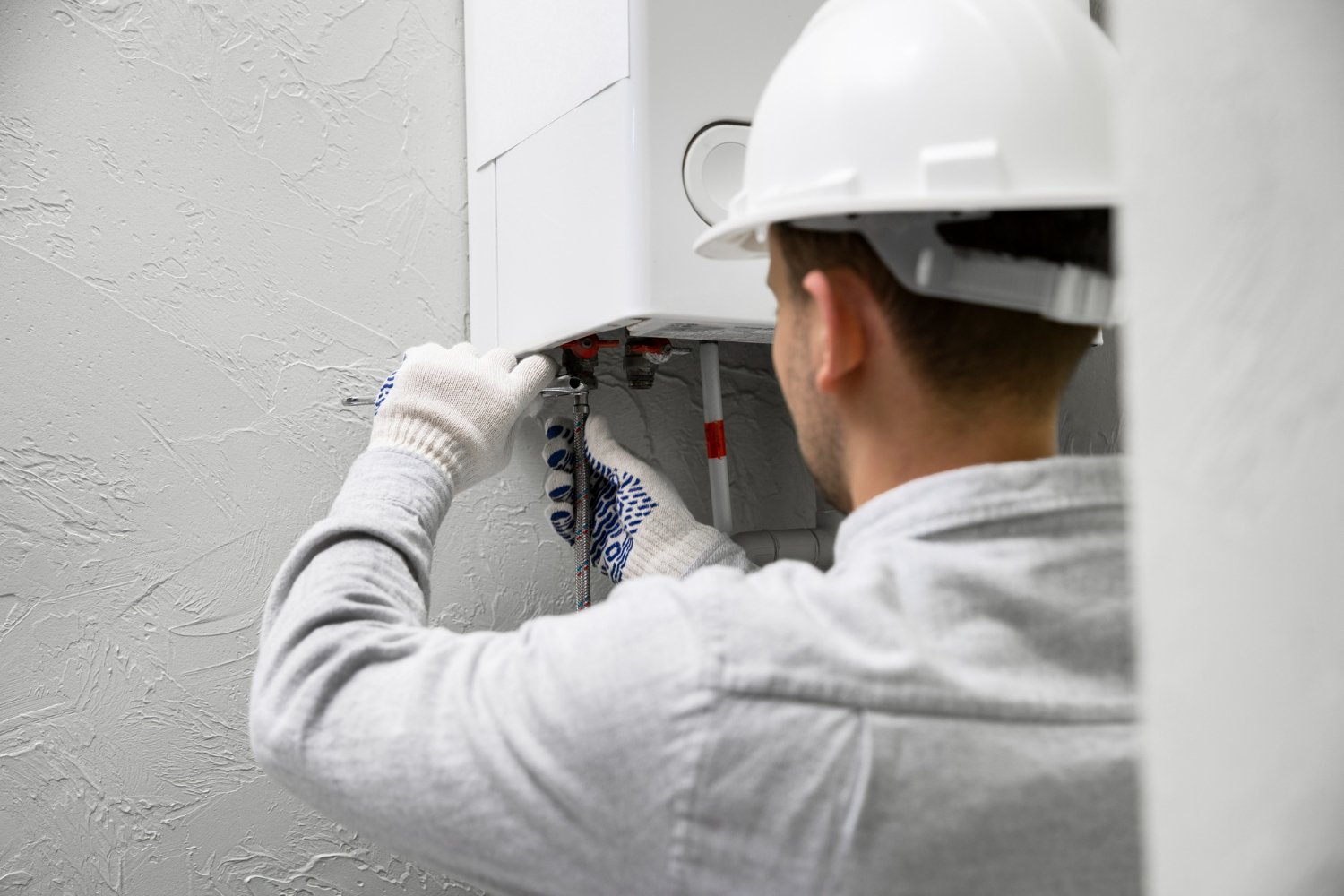
- To isolate, close the home main; if movement stops, the leak is inside. If not, suspect the service line and consider Water Line Repair.
B) Fixture isolation test
Close individual shutoffs (toilets, sinks, water heater). If movement stops when a valve is closed, you’ve found the circuit with the problem.
C) Dye test for toilets
Add food coloring to the tank; if color appears in the bowl within 30 minutes, replace the flapper or tank seals.
D) Moisture meter spot check
Press against suspicious drywall, trim, or subfloor. Elevated readings confirm hidden moisture without opening up.
E) Infrared (thermal) scan
A basic IR scan reveals cool/warm tracks along pipe runs. It’s great for pinpointing areas to open minimally—or to decide you don’t need to.
F) Acoustic listening
In quiet conditions, a mechanic’s stethoscope (or even a long screwdriver) helps you “follow” the hiss to its strongest point.
G) Camera the drains (no demo)
If symptoms suggest a drain or sewer issue—gurgling, multiple slow fixtures, odors after use—book a Video Camera Sewer Inspection to see inside the line without opening walls.
Where hidden leaks like to hide
- Toilet flappers/fill valves (silent water loss)
- Ice maker and dishwasher lines (kinked or cracked tubing)
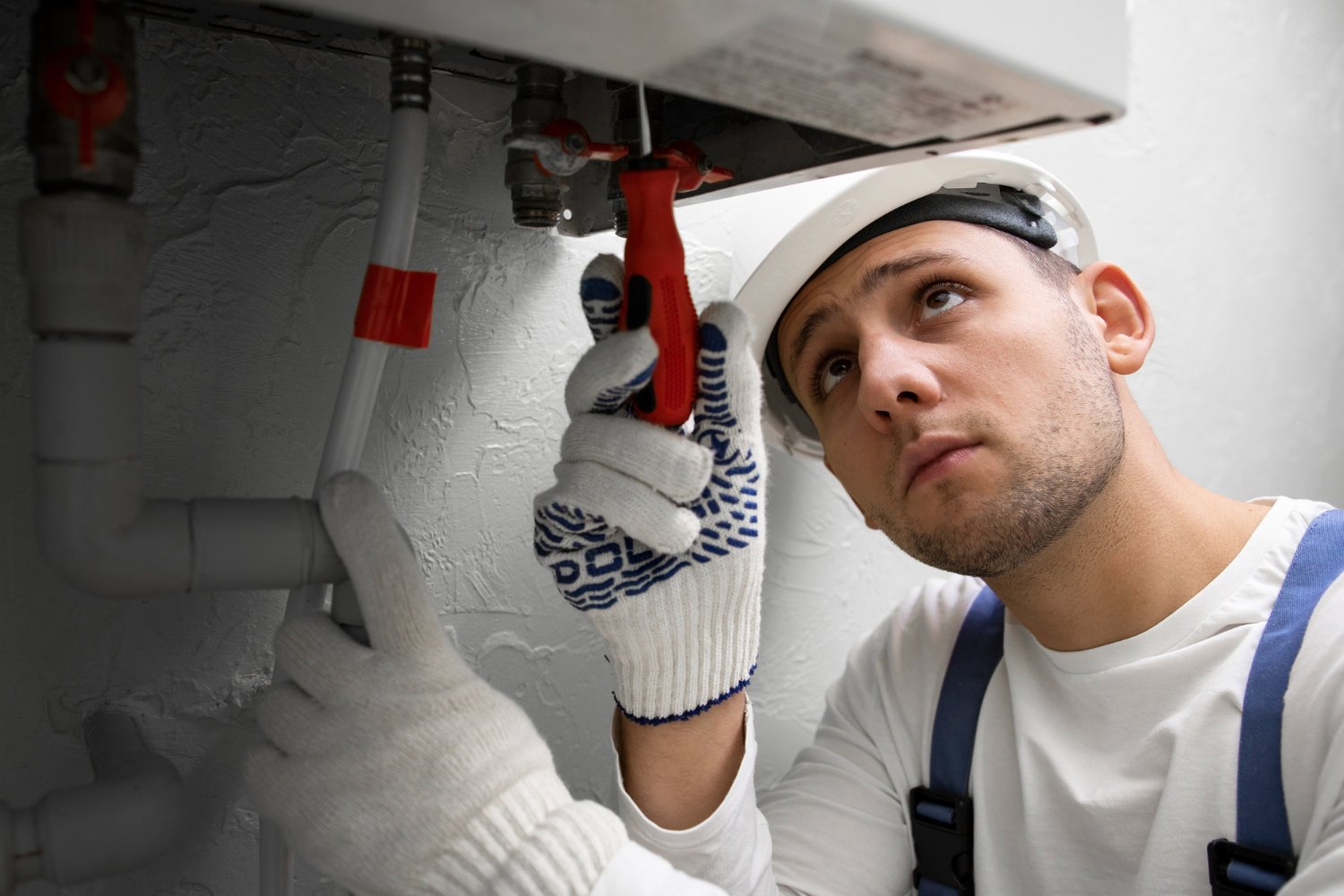
- Water heater fittings (subtle seeping at nipples/valves) — need help? See Water Heater Services
- Tub/shower valves (inside the wall, only wet after use)
- Slab or crawlspace supply lines (warm/cool floor paths)
- Sewer laterals (roots, bellies, breaks) — repair options at Sewer Line Repair & Replacement
DIY vs. pro: when to call for backup
- Call now if the meter spins rapidly, you hear continuous hissing, see sagging ceilings, or smell sewage.
- Consider pro help if isolation points to a line inside a finished wall/ceiling, or if you need non-invasive confirmation with cameras, pressure testing, or thermal imaging.
For end-to-end support, explore our plumbing services or schedule a targeted Video Camera Sewer Inspection to locate issues precisely.
Suspect a hidden leak? Contact us today and we’ll detect it without opening your walls.
Quick checklist (print-friendly)
- Compare last 3 bills; note unusual increases.
- Perform 10-minute meter test with all water off.
- Close individual shutoffs to isolate the circuit.
- Dye test all toilets (30-minute check).
- Scan for cold/warm bands on walls/floors.
- Use a moisture meter at suspect spots.
- For drain symptoms: book Video Camera Sewer Inspection.
What to do if you confirm a leak
- Protect the area: move items, place towels/pans, and shut the nearest valve.
- Shut the main if flow continues; this limits damage.
- Document with photos/video for insurance.
- Fix the cause: supply issues → Water Line Repair; drain/sewer issues → Sewer Line Repair & Replacement.
- Prevent recurrence: consider Backflow Prevention Services if cross-connection risks exist, and schedule periodic leak checks via our plumbing services.
Need a no-demo diagnosis?
Start with a same-day Video Camera Sewer Inspection or talk to our team through our plumbing services for tailored leak detection.