
A battery backup sump pump is one of the smartest upgrades you can make for a Maryland basement. Even if your primary sump pump works perfectly, it still can’t pump water during a power outage. Meanwhile, storms and outages often happen together—so a backup system can prevent a flooded basement when you need protection most.
This guide covers what to buy, what to check before installation, and which systems homeowners in Gaithersburg (20878) and nearby Montgomery County areas (Rockville, Germantown, North Potomac, Derwood, Kentlands, and more) tend to benefit from most.
Battery backup sump pump: when you truly need one
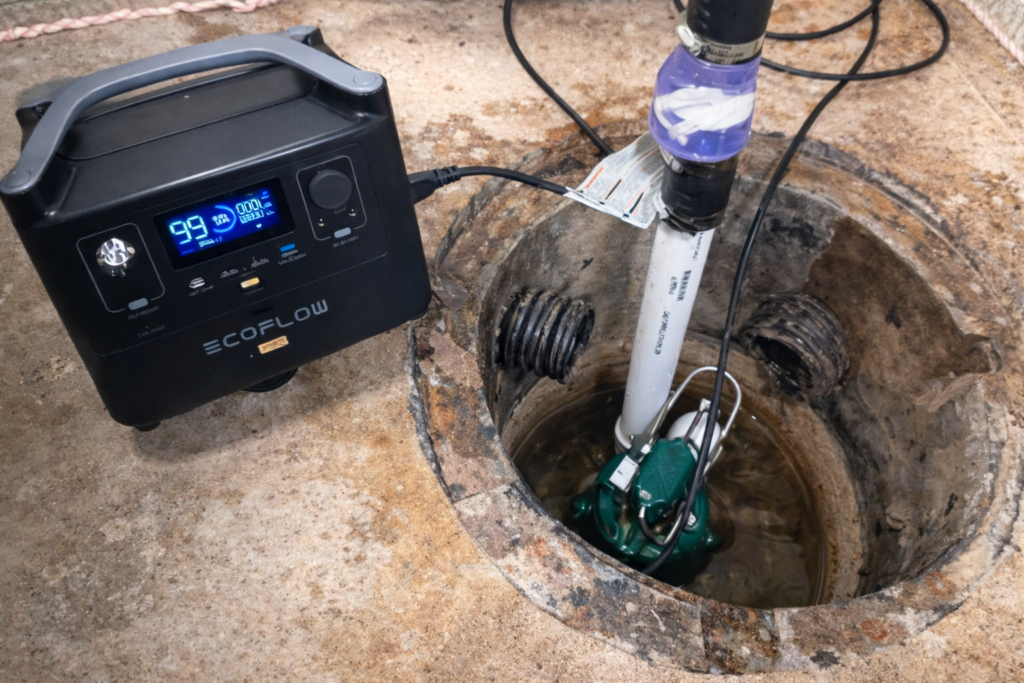
You should strongly consider a battery backup sump pump if:
- Your sump runs often during heavy rain (or you’ve had water rise close to the slab).
- You have a finished basement or stored valuables near the floor.
- Your neighborhood sees frequent outages or storm-related flickers.
- Your primary pump is older, noisy, or short-cycling.
Also, keep expectations realistic: a backup pump buys you time and protection, but it won’t overcome every failure mode if the discharge setup is wrong (more on that below).
For general sump pump care and maintenance basics, FEMA has a useful overview: Maintain your sump pump (FEMA).
Battery backup sump pump: the “buying checklist” that prevents regrets

Before you pick a system, run this quick checklist. Otherwise, you risk buying the “right” product for the wrong setup.
1) Choose a battery type that matches your goal
- AGM deep-cycle (recommended for most homes): low maintenance and reliable.
- Flooded lead-acid: cheaper, but requires more care and ventilation.
- Two-battery capability: ideal if you want more runtime during long outages.
2) Look for a controller that actually protects you
A strong controller should include:
- audible alarm + silence button
- battery health monitoring
- automatic charging
- periodic self-test (or easy test function)
3) Prefer dual-float switching (or a protected float design)
Float failures cause many “it didn’t turn on” disasters. Therefore, redundancy matters.
4) Confirm discharge compatibility (this is huge)
- Your backup needs a reliable check valve strategy.
- Your discharge line must drain down properly.
- Your exterior line must avoid freezing and blockage.
If you want a very practical inspection mindset, InterNACHI’s sump pump guide is helpful: Sump Pump Operation and Inspection (InterNACHI).
Want a battery backup sump pump installed and tested the right way for your basement layout? Call Quince Orchard Plumbing for local help in Montgomery County, MD.
Battery backup sump pump systems: 5 reliable picks (2026)
Below are five widely used options across different budgets and “risk levels.” In practice, the best choice depends on how much water you need to move and how long your outages can last.
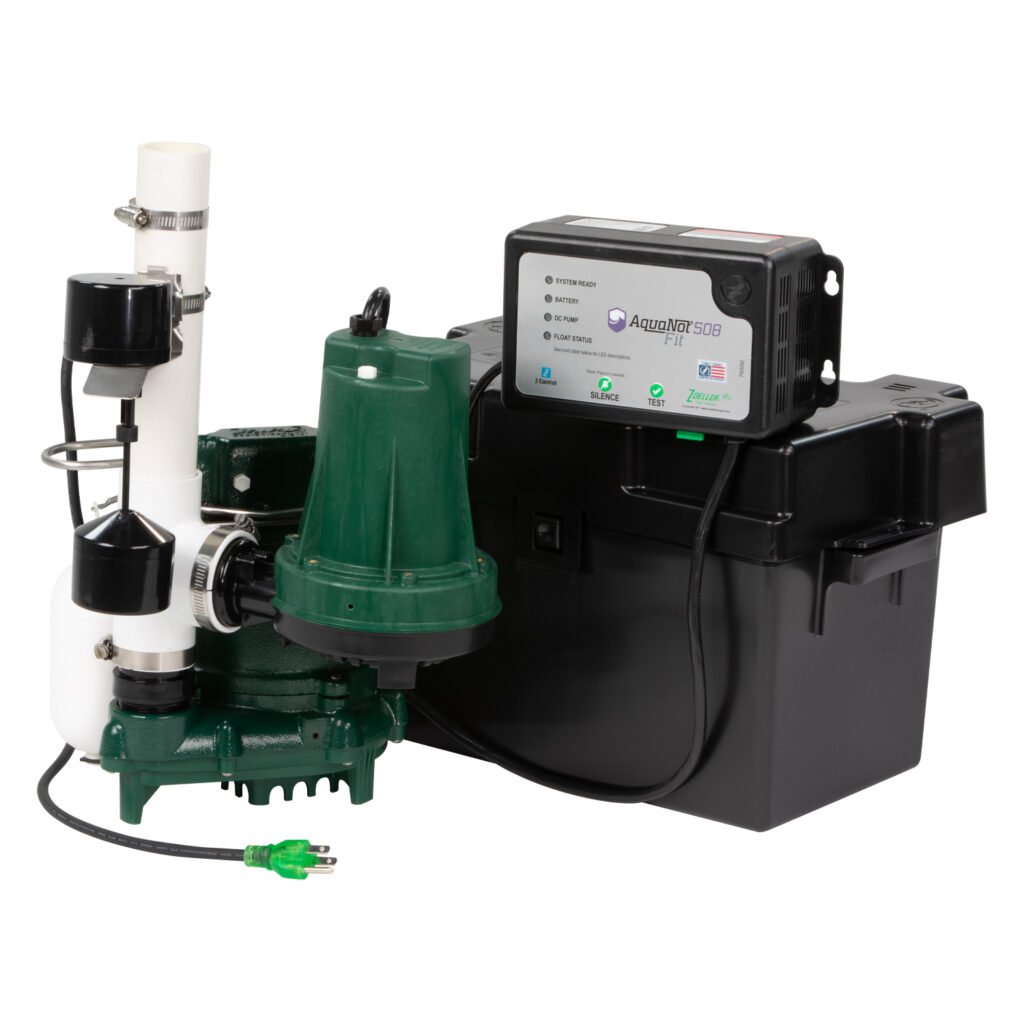
1) Battery backup sump pump pick: Zoeller AquaNot Fit 508
This is a strong “pro-grade” option for homeowners who want a high-quality backup system with serious monitoring features. It’s especially attractive when you want a system that can also assist the primary pump during heavy inflow (not only during outages).
Best for: higher-risk basements, frequent storms, homeowners who want premium monitoring.
2) Battery backup sump pump pick: PHCC Pro Series 2400 (A/C–D/C backup)
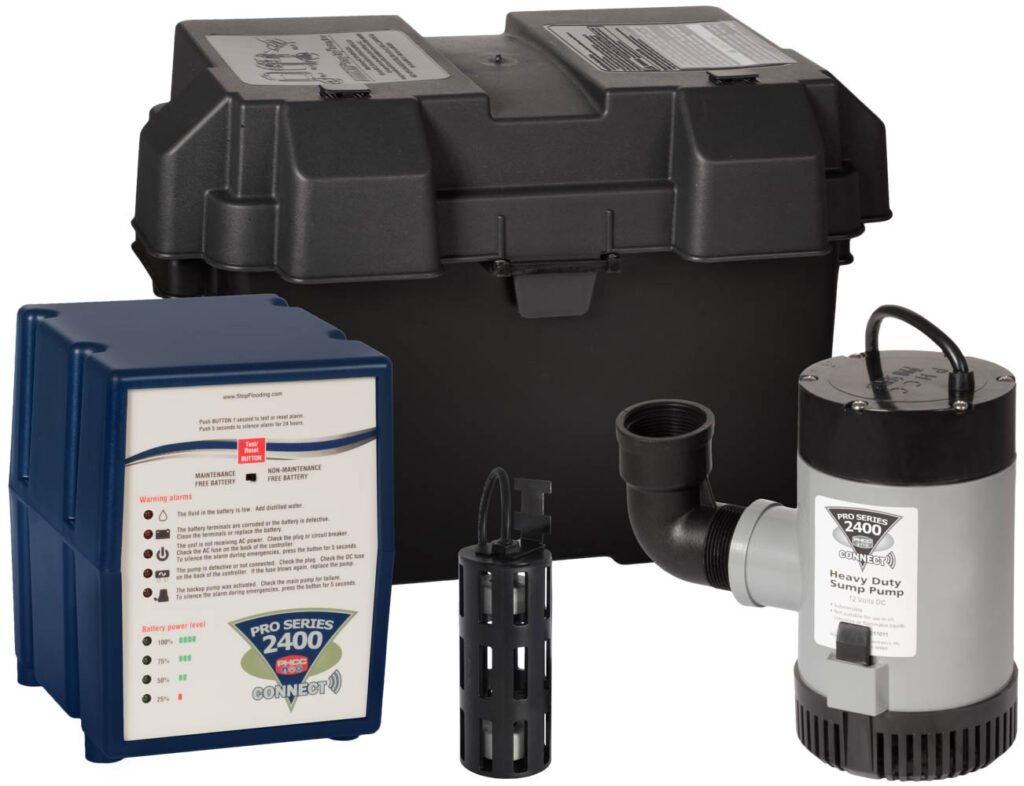
This system is popular because it can help during heavy inflow and then switch to battery during outages. In addition, it emphasizes monitoring and automatic operation, which helps when you aren’t home.
Best for: homeowners who want a “set it and test it” style backup system.
3) Battery backup sump pump pick: Liberty Pumps Model 441
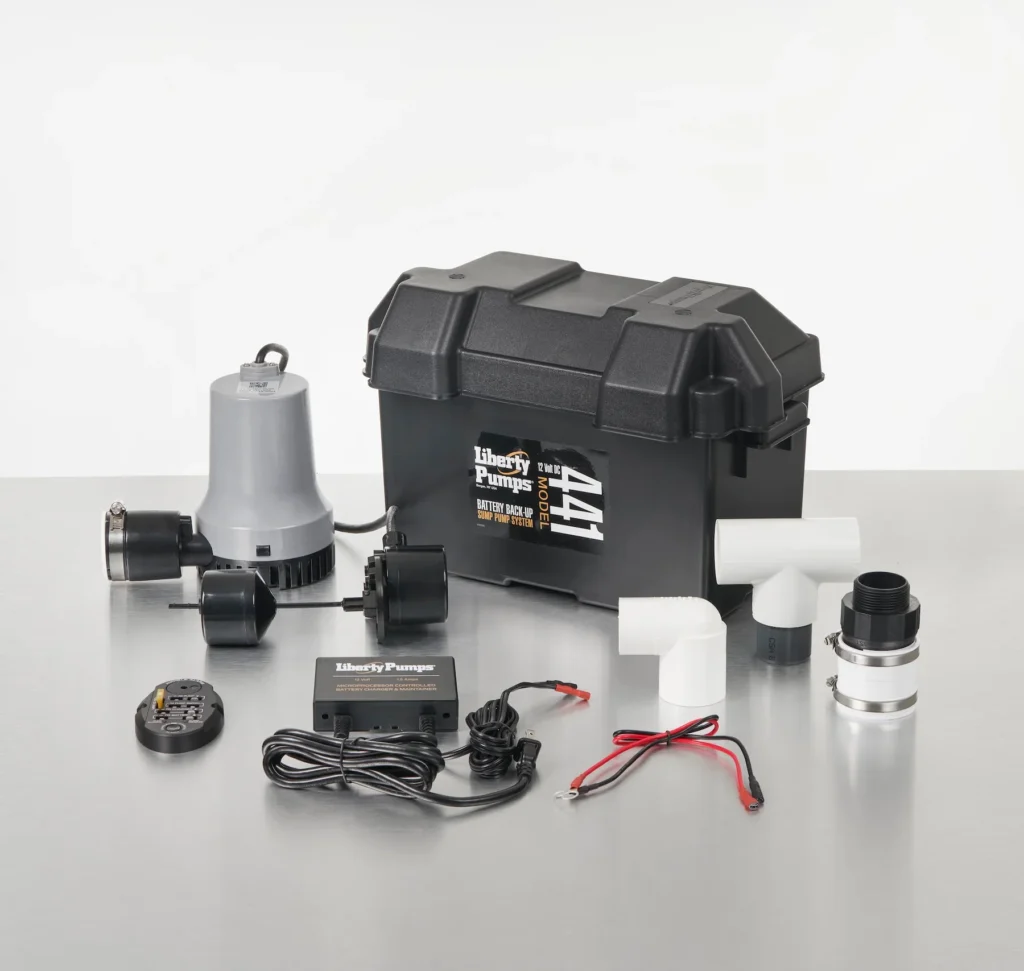
Liberty’s 441 is a widely used 12V backup system designed to run alongside a primary pump. It’s a solid fit when you want a straightforward backup that’s easy to pair with an existing setup.
Best for: homeowners who want a reliable brand and a clean, standard backup install.
4) Battery backup sump pump pick: Basement Watchdog Big Dog CONNECT (AC/DC)
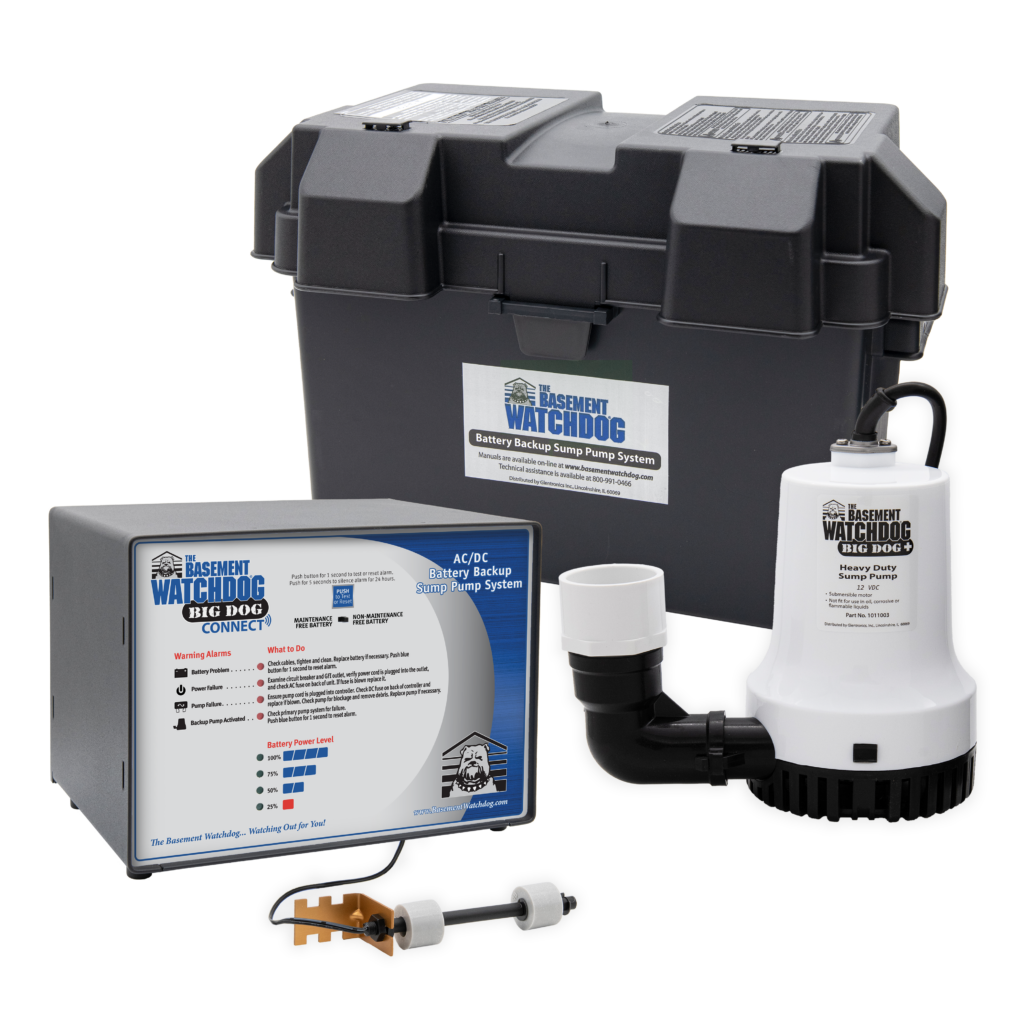
This style of system focuses heavily on monitoring and alarms, and it’s often chosen by homeowners who want visibility into battery/pump status. Additionally, it’s a common pick for finished basements where “I want alerts” matters as much as pumping.
Best for: finished basements, homeowners who value alarms/monitoring.
5) Battery backup sump pump pick: WAYNE ESP25 (12V backup system)
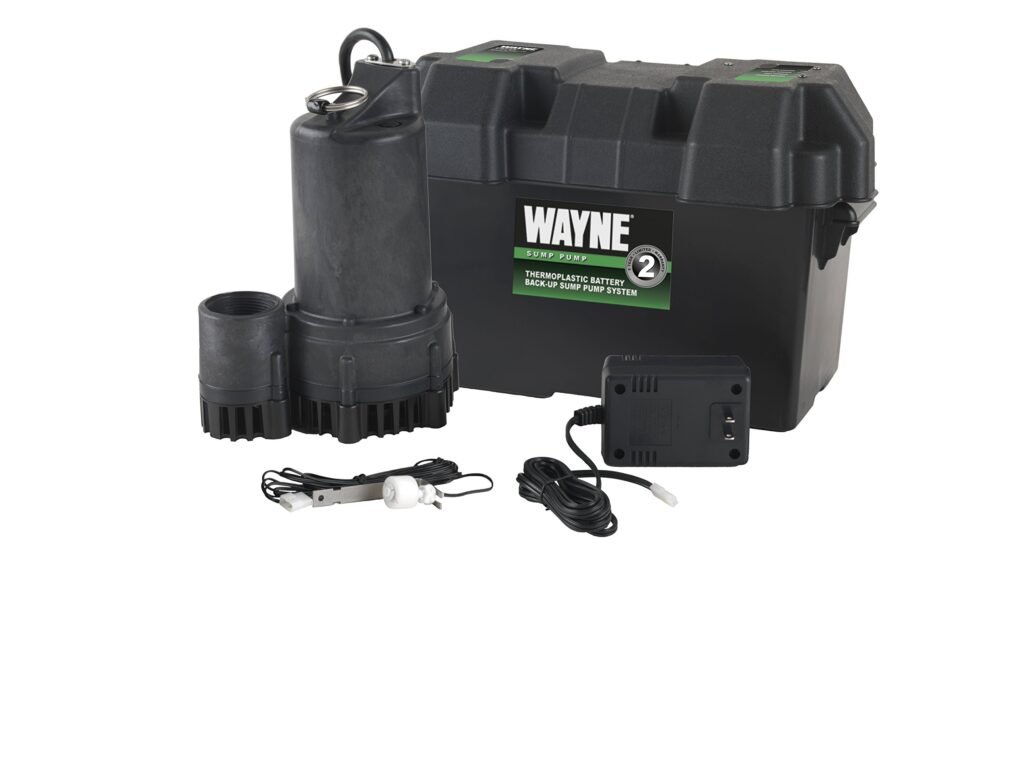
WAYNE’s ESP25 category is a common “add-on backup” style solution that pairs with an existing primary pump. It’s often used as a practical upgrade when you want a backup pump, charger, and alarm package without reworking the entire pit.
Best for: typical residential pits that need a straightforward backup layer.
Battery backup sump pump: what to check before installation
Even the best battery backup sump pump will disappoint if the pit or discharge setup is flawed. So, before you install anything, confirm these items.
1) Pit size and float clearance
First, make sure floats move freely without rubbing the pit wall, cords, or the primary pump. If the float sticks, the pump won’t start.
2) Check valve strategy (stop backflow and short-cycling)
Next, confirm that pumped water doesn’t fall back into the pit immediately. Otherwise, both pumps can short-cycle, and batteries can drain faster.
3) Discharge line condition and freeze risk
Then, verify the discharge line exits and drains properly. If it holds water in winter, it can freeze and block flow. As a result, the pump runs but the water level doesn’t drop.
4) Power and outlet setup
Finally, avoid extension cords and overloaded circuits. A dedicated outlet reduces nuisance trips and improves reliability.
Battery backup sump pump: a simple maintenance plan
A backup system only helps if you test it.
- Monthly: press the test button (or lift the float if safe) and confirm the alarm works.
- Quarterly: inspect battery terminals, check float movement, and confirm the charger status.
- Before storm season: pour water into the pit to confirm the primary pump starts and the pit drains.
Also, if your basement ever floods, dry it quickly to reduce mold risk. EPA has a straightforward guide here: Mold cleanup after disasters (EPA).
Want a battery backup sump pump installed and tested the right way for your basement layout? Call Quince Orchard Plumbing for local help in Montgomery County, MD.
Important: basement flooding is not always a sump pump problem
Sometimes homeowners think “my sump failed,” but the water is actually from something else. For example:
- Dirty water / sewage smell / floor drain backup: that’s often a sewer issue. In that case, start with Video Camera Sewer Inspection, and if needed, move to Sewer Line Repair & Replacement.
- Clean water near piping or valves: that can be a supply leak. Then, use Water Line Repair.
- Water near the heater/pan: that may be the water heater or discharge piping. Start with Water Heater Services.
Additionally, after any major basement water event, you may want to confirm potable system protection where applicable via Backflow Prevention Services.
Service Area (Maryland only)
Quince Orchard Plumbing serves Gaithersburg (20878), Rockville, Germantown, North Potomac, Darnestown, Montgomery Village, Potomac (north), Derwood, Kentlands, and Washington Grove.