
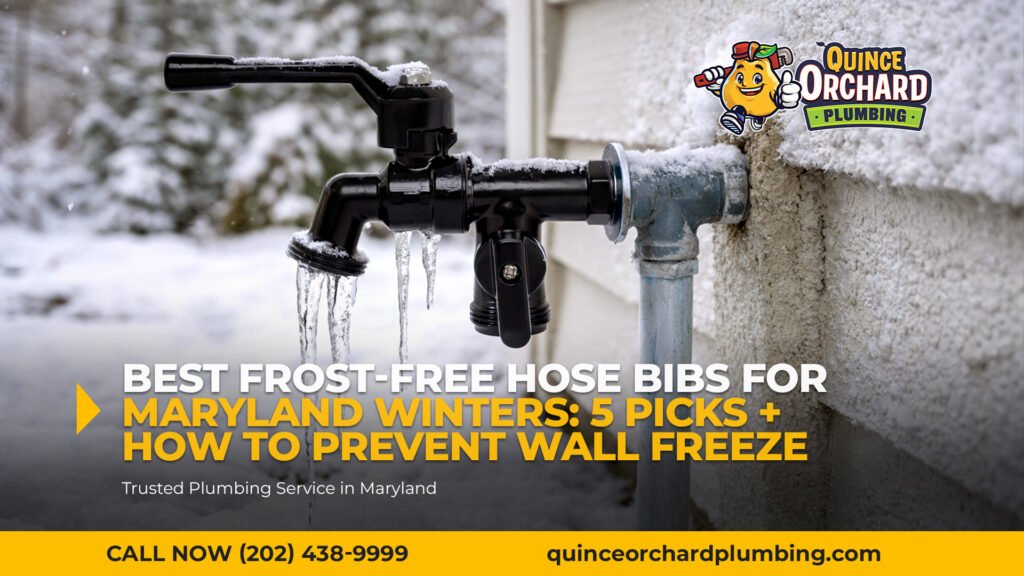
A frozen outdoor faucet doesn’t just “break the spigot.” The real damage usually happens inside the wall, where a short section of pipe freezes, expands, and bursts—then leaks silently until you notice stains, mold, or a soaked basement ceiling.
In Montgomery County winters (Gaithersburg 20878, Rockville, Germantown, North Potomac, Derwood, Kentlands, and nearby), the best upgrade for most homes is a frost-free (freezeless) hose bibb installed correctly—and winterized correctly (yes, still). WSSC specifically recommends disconnecting hoses and draining the line to the hose connection as part of winter prep.
If you suspect an outdoor faucet froze and now you have a hidden leak (water bill spike, damp drywall, wet basement), start with Water Line Repair.
What “frost-free” actually means (and the mistake that causes most freezes)
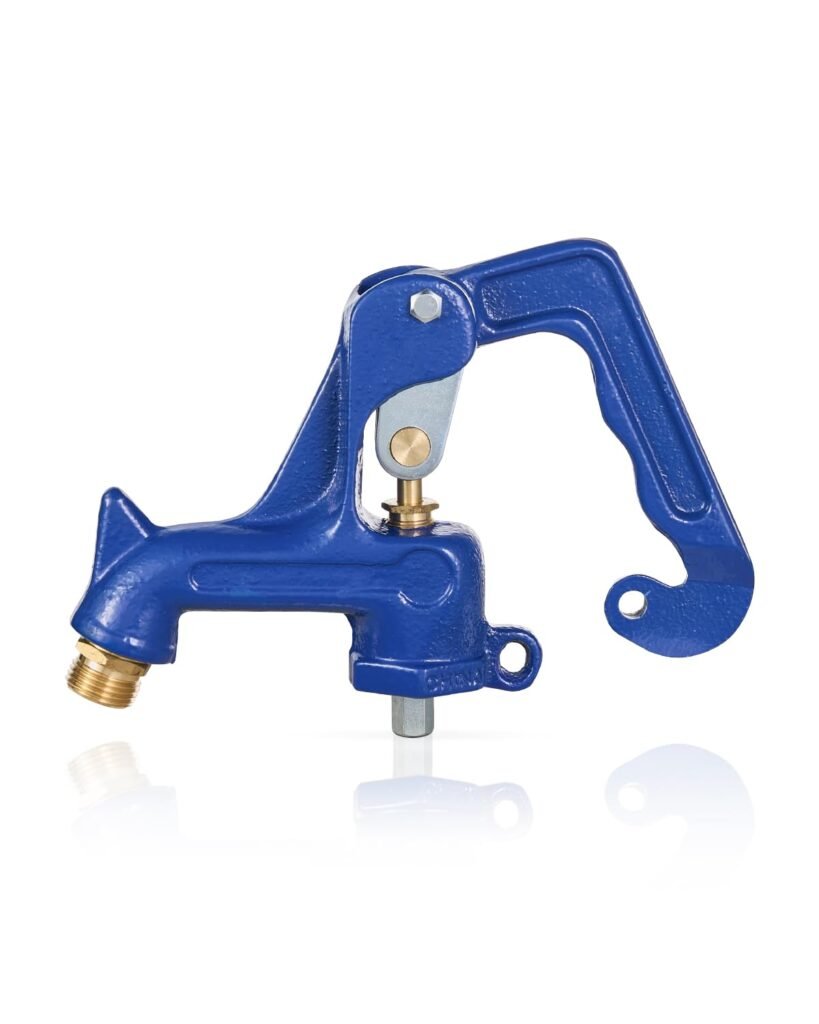
A frost-free hose bibb shuts water off inside the heated portion of the home, not at the exterior handle. When you close the faucet, the water in the outer tube is supposed to drain out.
Two critical realities:
- The tube must be pitched to drain. (Manufacturers explicitly warn improper install/operation can freeze and burst, and installation details like nozzle orientation support drainage.)
- You must remove hoses/timers/splitters in winter. If anything stays attached, the faucet may not drain and can still freeze—even if it’s “frost-free.”
When a frost-free hose bibb is worth it in Maryland
It’s usually a smart upgrade if:
- Your hose bib is on an exterior wall with little insulation behind it
- You’ve had a freeze event before (even once)
- Your current spigot doesn’t have an interior shutoff
- You use hoses late into fall (sprinklers, car washing, leaf cleanup)
- You’re remodeling a kitchen/laundry room where the supply line is easy to access
Worried your outdoor faucet froze or you need a frost-free upgrade? Call Quince Orchard Plumbing for fast, local help in Montgomery County, MD.
5 frost-free hose bib picks that perform well in real homes
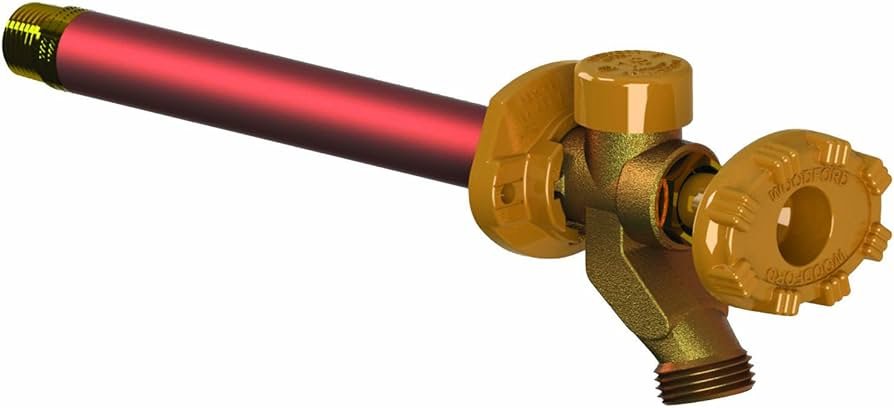
These are “pro-grade” families of products we commonly see used because they’re serviceable, widely supported, and designed for freezing climates.
1) Woodford Model 19 (Anti-siphon + freeze protection extras)
Best for: homeowners who want built-in backflow protection and added freeze-damage safeguards.
Why it’s a strong pick: Model 19 includes an integral anti-siphon/backflow device and is designed for year-round use.
Great fit for: families who sometimes forget hoses—because this line emphasizes freeze-rupture protection features.
2) Woodford Model 17 (classic freezeless wall faucet—install quality matters)
Best for: straightforward replacements where you can ensure proper slope/drainage.
Why it’s a strong pick: widely used, serviceable, and backed by clear installation guidance emphasizing correct install and drainage to prevent freezing.
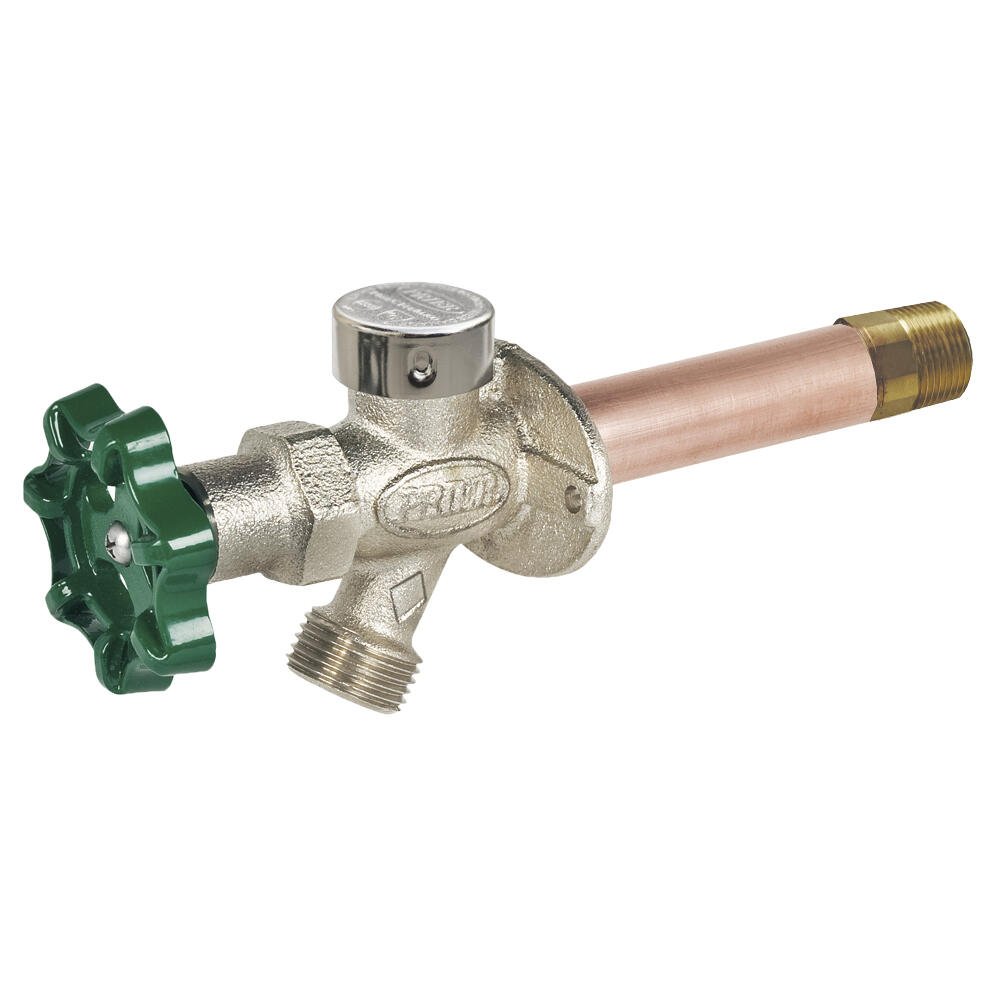
3) PRIER C-144 (anti-siphon, traditional operation)
Best for: homeowners who want anti-siphon protection and a proven wall-hydrant design.
Why it’s a strong pick: PRIER highlights anti-siphon/backflow protection in the C-144 line, and their instructions confirm the hydrant should drain briefly after shutoff.
4) PRIER P-164 (quarter-turn convenience)
Best for: anyone who prefers quick quarter-turn operation (especially seniors or busy households).
Why it’s a strong pick: PRIER’s P-164 is designed for freezing climates with the shutoff inside the structure and a quarter-turn seal design.
5) A.Y. McDonald Frostproof Sillcocks (lots of configuration options)
Best for: homes where you want multiple inlet/PEX configurations or a specific layout match.
Why it’s a strong pick: A.Y. McDonald offers a broad frostproof sillcock lineup aimed at durable plumbing valve performance.
Before you buy: the 4 checks that prevent “it still froze” and “it leaks in the wall”
1) Choose the correct length (most important)
Frost-free bibs come in different stem lengths (4″, 6″, 8″, 10″, 12″, 14″+). The shutoff point must land inside the heated space, not in the cold wall cavity.
Rule of thumb:
- Measure wall thickness + add enough length so the valve body ends up well inside conditioned space.
- If you’re unsure, it’s better to size slightly longer than too short.
2) Confirm you have a way to shut off the supply (or add one)
An interior shutoff makes winterizing and future repairs dramatically easier. WSSC notes the shutoff valve is typically inside the home feeding the outdoor hose connection and recommends draining the line.
3) Check for backflow protection needs (anti-siphon)
Many jurisdictions expect an anti-siphon/vacuum breaker for outdoor faucets. If you want the setup evaluated or tested as part of a broader potable-water safety plan, that falls under Backflow Prevention Services.
4) Verify drainage pitch on install
Manufacturers warn improper installation/operation can freeze and burst, and Woodford’s guidance emphasizes installation details that support drainage.
Bottom line: if the faucet can’t drain, it’s not “frost-free” in practice.
How to prevent wall freeze damage (copy/paste winter checklist)
Do this before the first hard freeze:
- Disconnect every hose, splitter, timer, and quick-connect.
This is the #1 reason frost-free faucets freeze. - If you have an interior shutoff: close it.
- Open the outdoor faucet to drain the line completely.
- Leave the outdoor faucet open for the season if your setup calls for it (common with interior shutoff winterizing).
- Add an insulated cover if your faucet is exposed to wind (extra insurance—especially for older, non-frost-free setups).
Common failure points (why frost-free hose bibs still fail)
- Hose left attached → no drainage → freeze burst
- Wrong stem length → shutoff point sits in cold cavity
- Faucet installed without proper pitch → water remains in tube
- Vacuum breaker damaged/clogged (dripping or poor drainage)
- Interior pipe uninsulated in a drafty rim-joist area (common in basements)
Worried your outdoor faucet froze or you need a frost-free upgrade? Call Quince Orchard Plumbing for fast, local help in Montgomery County, MD.
DIY vs calling a pro
DIY can be okay if:
- You can shut water off confidently,
- You have easy access to the supply line,
- You know your piping type (copper/PEX) and can make code-appropriate connections,
- You can set correct length and pitch.
Call a pro if:
- You’ve had a freeze burst before,
- The line is inside a finished wall/ceiling,
- You want an interior shutoff added,
- You’re unsure about backflow/anti-siphon requirements.
For leaks, replacements, or re-piping tied to outdoor faucets, start with Water Line Repair.
Service Area (Maryland only)
Quince Orchard Plumbing serves Gaithersburg (20878), Rockville, Germantown, North Potomac, Darnestown, Montgomery Village, Potomac (north), Derwood, Kentlands, and Washington Grove.