
If you’ve ever heard a loud banging or knocking noise coming from your pipes after shutting off a faucet or appliance, you’ve experienced what plumbers call water hammer. It’s not just an annoying sound—it’s a warning sign that your plumbing system is under stress.
At Quince Orchard Plumbing, we’ve seen countless homes in the Gaithersburg area experience water hammer issues that, if ignored, can cause pipe damage, leaks, or even burst connections. Understanding what water hammer is, why it happens, and how to fix it is the first step toward protecting your home’s plumbing.
What Exactly Is Water Hammer?
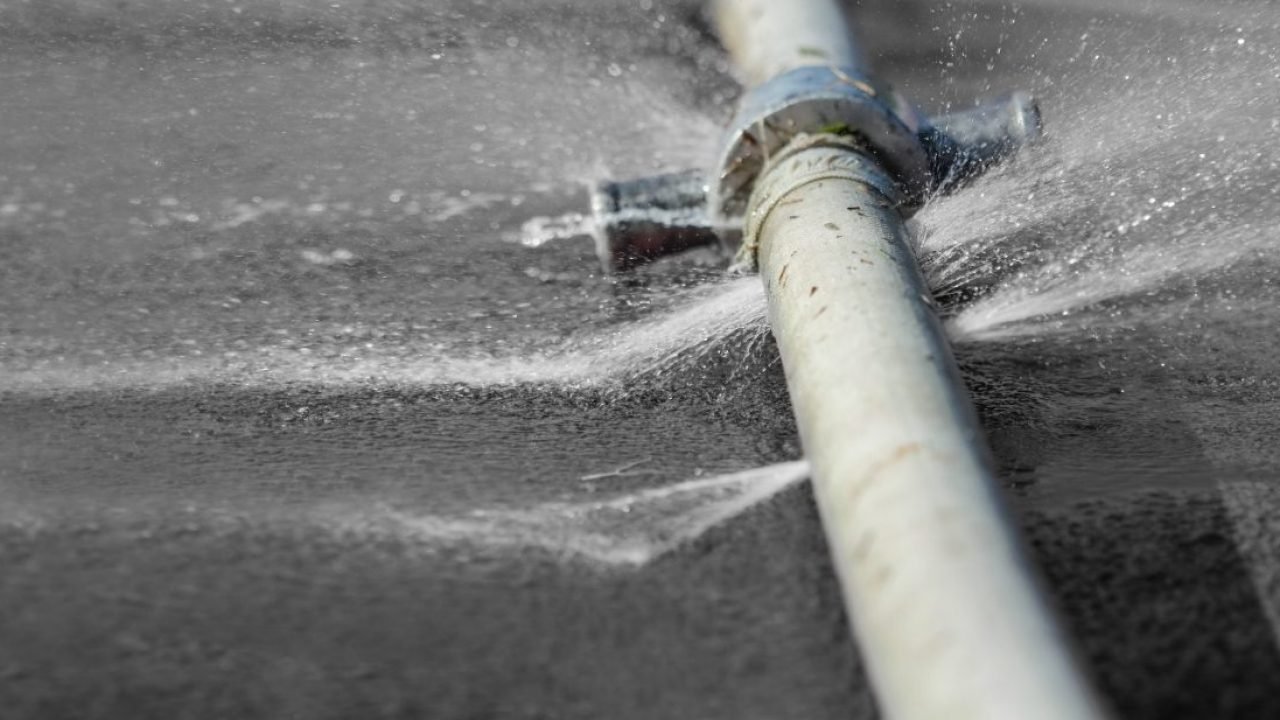
Water hammer, also known as hydraulic shock, occurs when flowing water suddenly stops or changes direction. When you close a valve quickly—such as turning off a washing machine or dishwasher—the momentum of the moving water creates a pressure wave. That wave travels through your pipes, causing the familiar banging sound.
In a well-balanced plumbing system, air chambers or devices called water hammer arrestors absorb that pressure. However, when these mechanisms fail or don’t exist, the force has nowhere to go, leading to violent vibrations and loud noises throughout the pipes.
Common Causes of Water Hammer
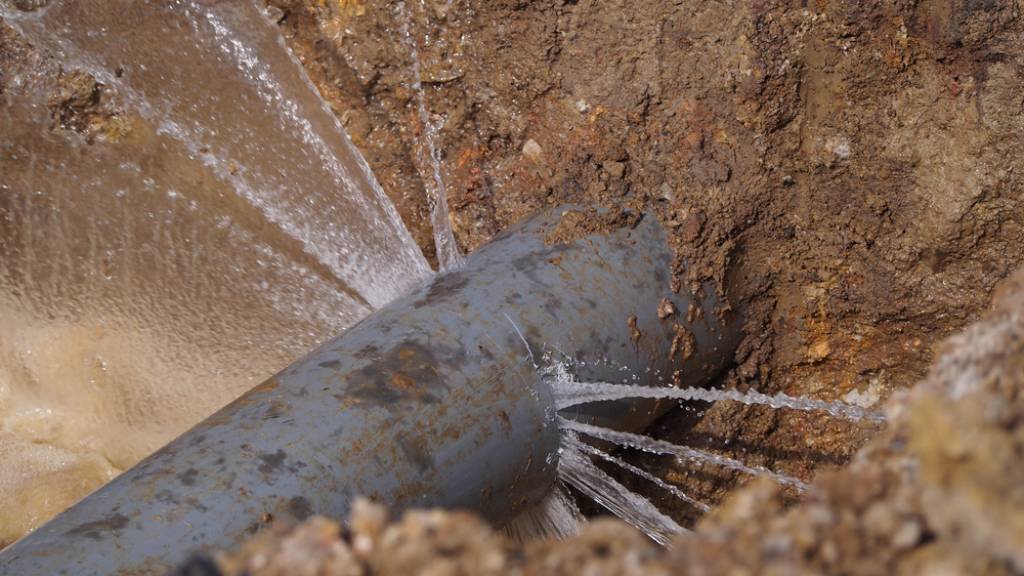
There are several possible causes of water hammer, and understanding them helps determine the right solution.
1. Fast-Closing Valves
Modern appliances such as dishwashers, washing machines, and ice makers use solenoid valves that shut off water almost instantly. This abrupt closure doesn’t give water enough time to slow down gradually, resulting in a sudden pressure surge.
2. High Water Pressure
Excessively high water pressure is one of the main contributors to water hammer. When the water pressure in your home exceeds 60–80 psi, even small pressure fluctuations can cause banging noises. Installing a pressure-reducing valve or checking your system during a water line repair visit can help identify if this is the source.
3. Faulty or Missing Air Chambers
Older plumbing systems often rely on vertical air chambers installed near valves to cushion pressure spikes. Over time, these chambers can fill with water and lose their ability to absorb shock, allowing water hammer to occur.
4. Long Straight Pipe Runs
Long, unbraced pipe sections amplify vibration and noise. When water flow suddenly stops, those long runs act like resonating drums, transmitting the sound through walls and floors.
5. Quick-Closing Fixtures or Valves Installed Improperly
Improper installation or lack of support brackets can worsen vibration and noise. Our team at Quince Orchard Plumbing frequently identifies these installation issues during video camera sewer inspections or plumbing evaluations.
The Hidden Risks of Ignoring Water Hammer
While many homeowners think water hammer is just a harmless noise, it can have serious long-term effects. Persistent hydraulic shock can cause:
- Joint and seal damage: Repeated pressure surges strain joints, fittings, and valves.
- Pipe movement: Constant vibration loosens pipe supports, increasing leak risks.
- Appliance wear: Washing machines, dishwashers, and water heaters may suffer internal damage from repeated pressure impacts.
- Water leaks or bursts: The most severe cases can lead to pipe failure, flooding, and structural water damage.
These problems often start small but escalate quickly. If you notice consistent banging or vibration, a professional inspection—especially of your water lines or sewer lines—is the safest next step.
How to Diagnose Water Hammer
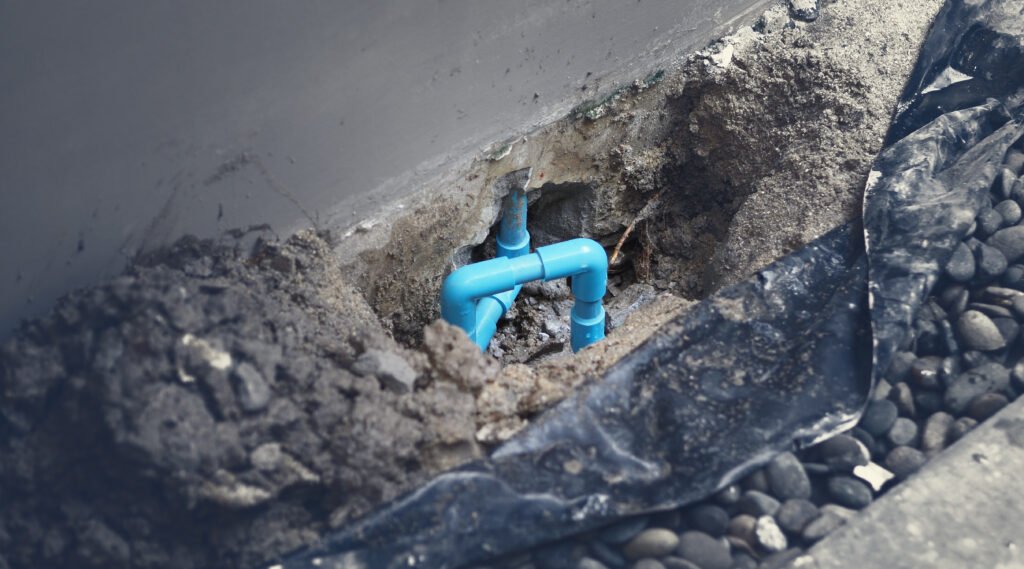
Diagnosing water hammer begins with understanding your plumbing layout and listening carefully to where the sound originates. Common indicators include:
- Banging or clanging when turning off faucets or appliances.
- Vibrations felt in walls or floors when water flow stops.
- Occasional spurts of water or fluctuating pressure in fixtures.
Our technicians use pressure gauges and inspection tools to pinpoint the source. In some cases, we may recommend a video camera sewer inspection to check for hidden movement or buildup that contributes to the shockwave effect.
How to Stop Water Hammer
The right solution depends on what’s causing the problem. Below are several effective methods used by professional plumbers to eliminate or reduce water hammer:
Install Water Hammer Arrestors
These devices contain an air-filled chamber or piston that absorbs the pressure surge when water stops flowing. They’re often installed near appliances like washing machines or dishwashers. In newer homes, they’re part of the plumbing design, but in older systems, adding them retroactively can make a huge difference.
Regulate Water Pressure
If high pressure is the issue, a licensed plumber can install a pressure-reducing valve (PRV) near the main water supply line. Maintaining a steady pressure of around 60 psi minimizes the risk of shock waves and protects your entire system. If pressure inconsistencies persist, a backflow prevention system can help stabilize and safeguard your plumbing network.
Secure and Cushion Pipes
Loose or unsupported pipes can amplify the banging effect. Strapping pipes with cushioned brackets or insulation minimizes vibration and noise. This is especially important in basements, crawl spaces, or behind walls.
Drain Air Chambers
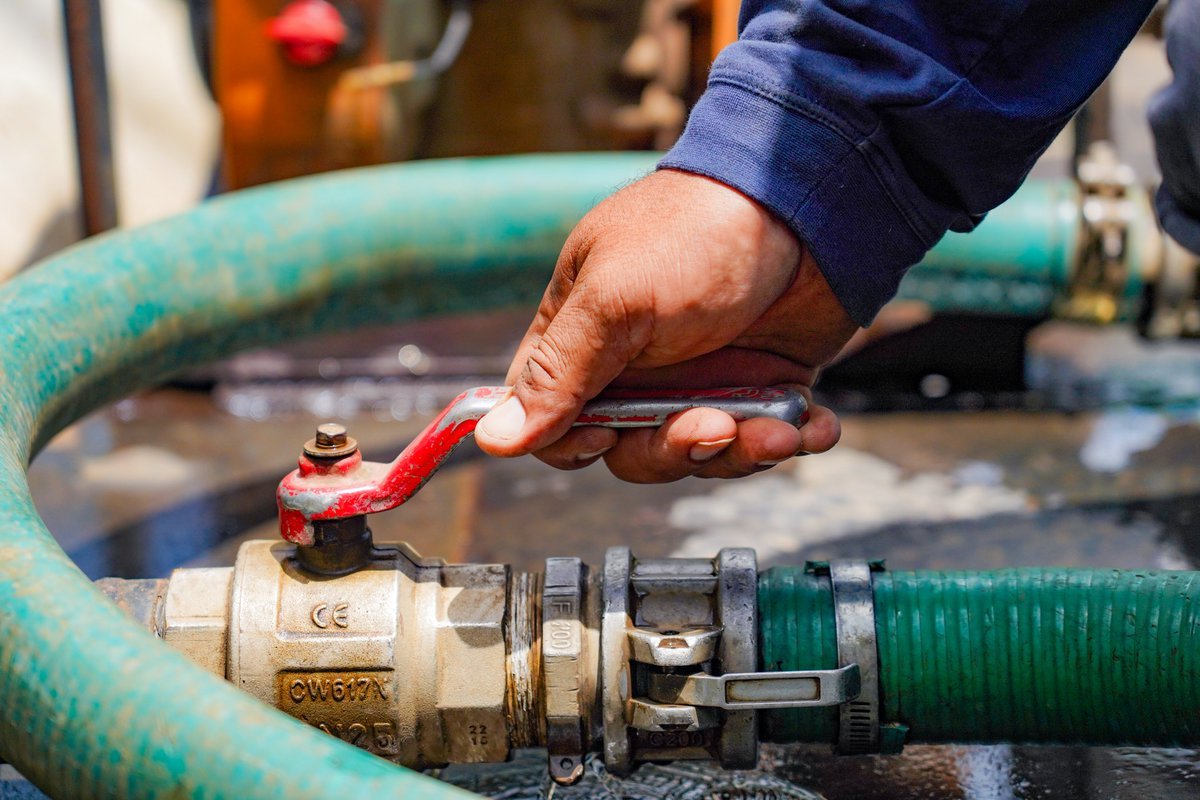
If your home has traditional air chambers, draining them can restore their ability to absorb shock. Simply turn off the main water valve, open all faucets to drain the lines, and then close them before restoring water. However, if the problem persists, modern water hammer arrestors may be a better long-term solution.
Upgrade Valves and Fixtures
Old or defective shutoff valves can cause abrupt closures. Replacing them with slow-closing or anti-hammer valves reduces pressure fluctuations and extends system lifespan.
Our experts at Quince Orchard Plumbing often recommend evaluating these components during water heater maintenance visits to ensure consistent performance across the system.
Preventing Water Hammer in the Future
Once the immediate problem is fixed, taking preventive measures ensures it doesn’t return. Here are a few tips from our plumbing professionals:
- Schedule annual plumbing inspections to check water pressure and system balance.
- Keep water pressure below 80 psi—ideally between 50 and 60.
- Replace outdated valves and appliances with modern, soft-closing models.
- Inspect backflow preventers and main supply lines regularly.
- Drain and refill plumbing systems annually to restore air chambers.
Prevention is far less expensive than repair. If your plumbing system is older or has experienced multiple hammering incidents, a professional assessment of your water lines or sewer connections is highly recommended.
Why Homeowners Trust Quince Orchard Plumbing
At Quince Orchard Plumbing, our licensed technicians specialize in diagnosing and resolving complex plumbing issues like water hammer. We combine state-of-the-art tools with years of field experience to deliver lasting, cost-effective solutions for homeowners across Montgomery County.
Whether you need expert water line repairs, backflow prevention services, or a full system inspection, our goal is to protect your plumbing and provide peace of mind with every visit.
Final Thoughts
Water hammer is more than just a noise—it’s a sign of pressure imbalances that can compromise your plumbing over time. The good news is that with proper diagnosis and professional service, it’s completely fixable.
By understanding how water hammer works, addressing it quickly, and maintaining your plumbing system regularly, you’ll prevent damage, reduce noise, and ensure a smoother, safer water flow throughout your home.
For expert solutions tailored to your plumbing system, trust the professionals at Quince Orchard Plumbing—your local specialists in water quality, line repair, and complete plumbing care.