
Replacing a water heater isn’t something homeowners do often—but when it’s time, it can feel overwhelming. Between tank and tankless systems, fuel types, efficiency ratings, and installation costs, there are countless details that can impact your comfort and your wallet.
At Quince Orchard Plumbing, we help homeowners make smart, informed decisions about water heater replacements every day. This guide breaks down what to consider when buying a new water heater—so you can get the performance you need without overpaying.
Signs It’s Time to Replace Your Water Heater
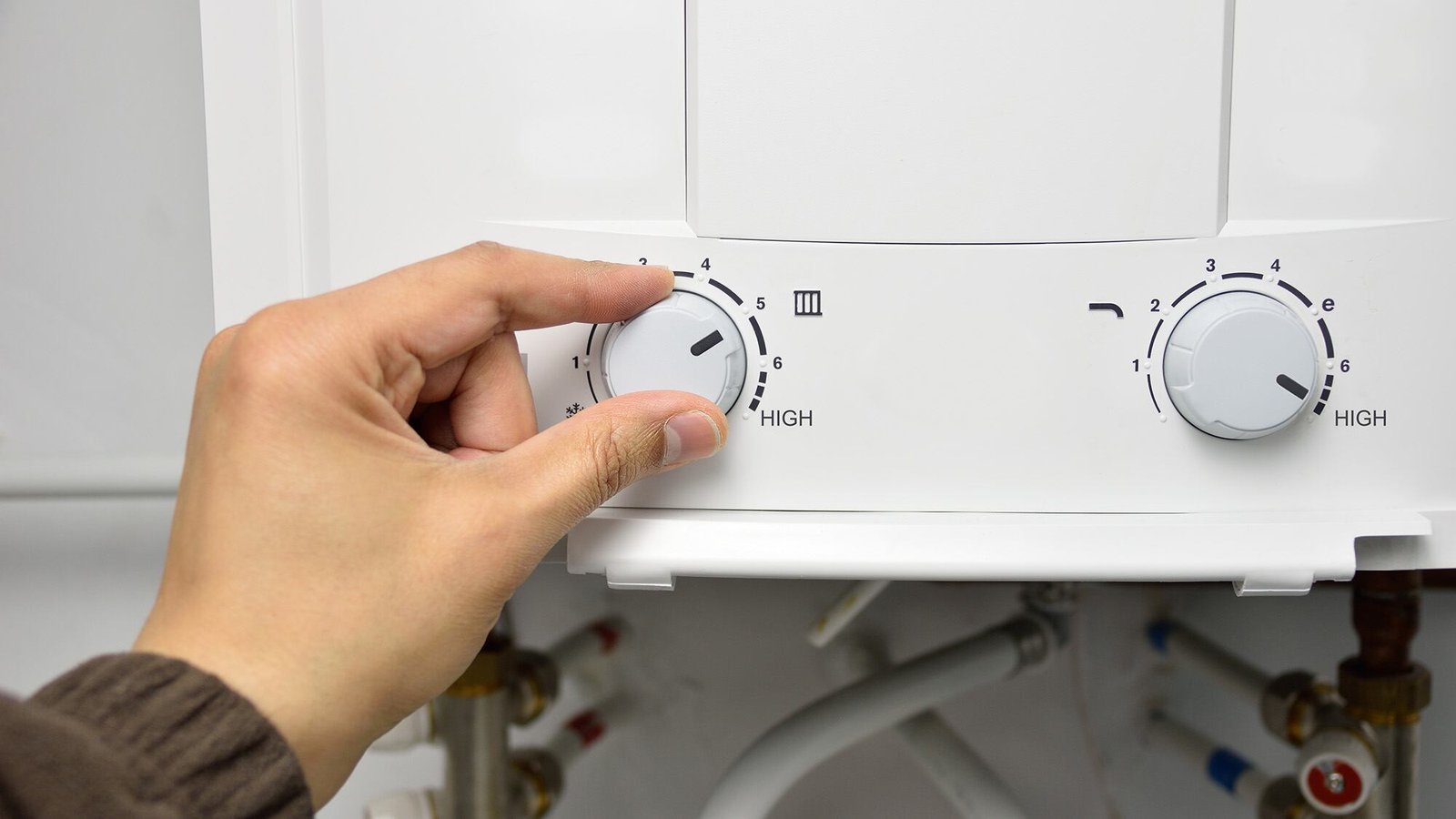
Before you start comparing models, make sure replacement is truly necessary. Here are some key signs that your current system is on its way out:
- Age: Most traditional tank water heaters last between 8–12 years.
- Rusty water: Corrosion inside the tank or pipes can discolor your water.
- Insufficient hot water: If your showers keep running cold, your system may be losing efficiency.
- Leaks around the base: Small leaks often signal internal failure.
- Strange noises: Rumbling or popping sounds mean sediment buildup at the bottom of the tank.
If any of these sound familiar, schedule a professional inspection. Our licensed technicians specialize in Water Heater Services to determine whether repair or replacement is the smarter choice.
Step 1: Know Your Water Heater Options
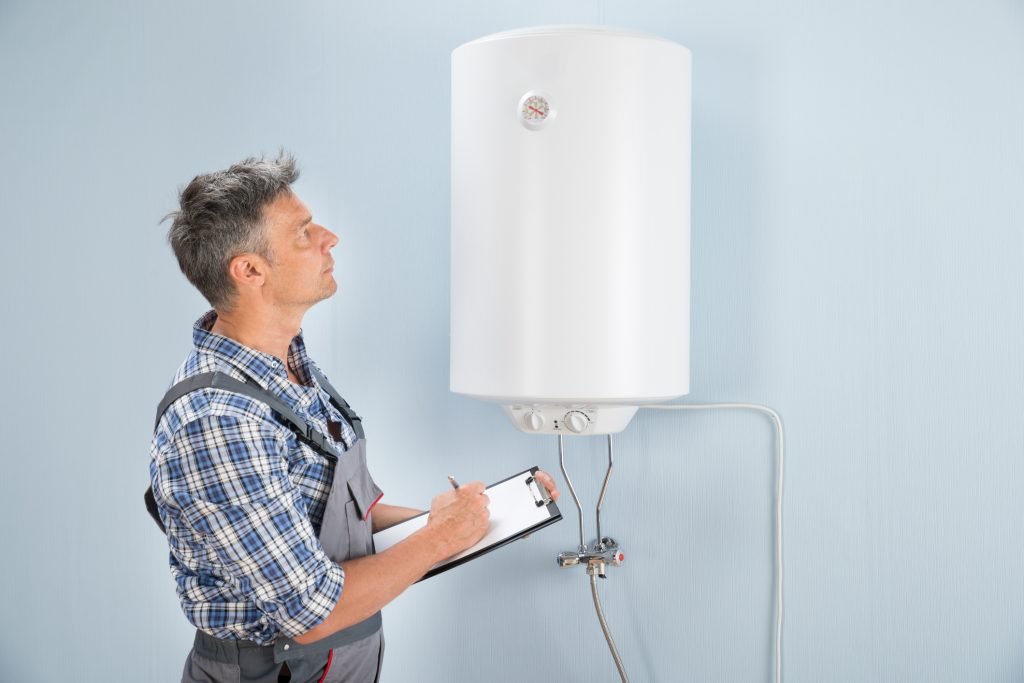
Today’s water heaters come in several types, each with advantages depending on your home’s layout, water usage, and energy goals.
1. Conventional Storage Tank
The most common type, featuring an insulated tank that stores 30–80 gallons of hot water. Affordable and easy to install but less efficient than newer systems.
2. Tankless (On-Demand)
Heats water only when needed, providing unlimited hot water while saving energy. It’s ideal for smaller households or those seeking energy efficiency.
3. Heat Pump (Hybrid)
Uses electricity to move heat rather than generate it, making it 2–3 times more efficient than traditional units. Best for warm climates and spaces with good airflow.
4. Solar Water Heater
Harnesses energy from the sun to heat water, offering significant long-term savings—but requires higher upfront installation costs.
Not sure which system suits your home? Our Water Heater Services team can assess your water demand, energy usage, and budget to recommend the perfect match.
Step 2: Understand Capacity and Sizing
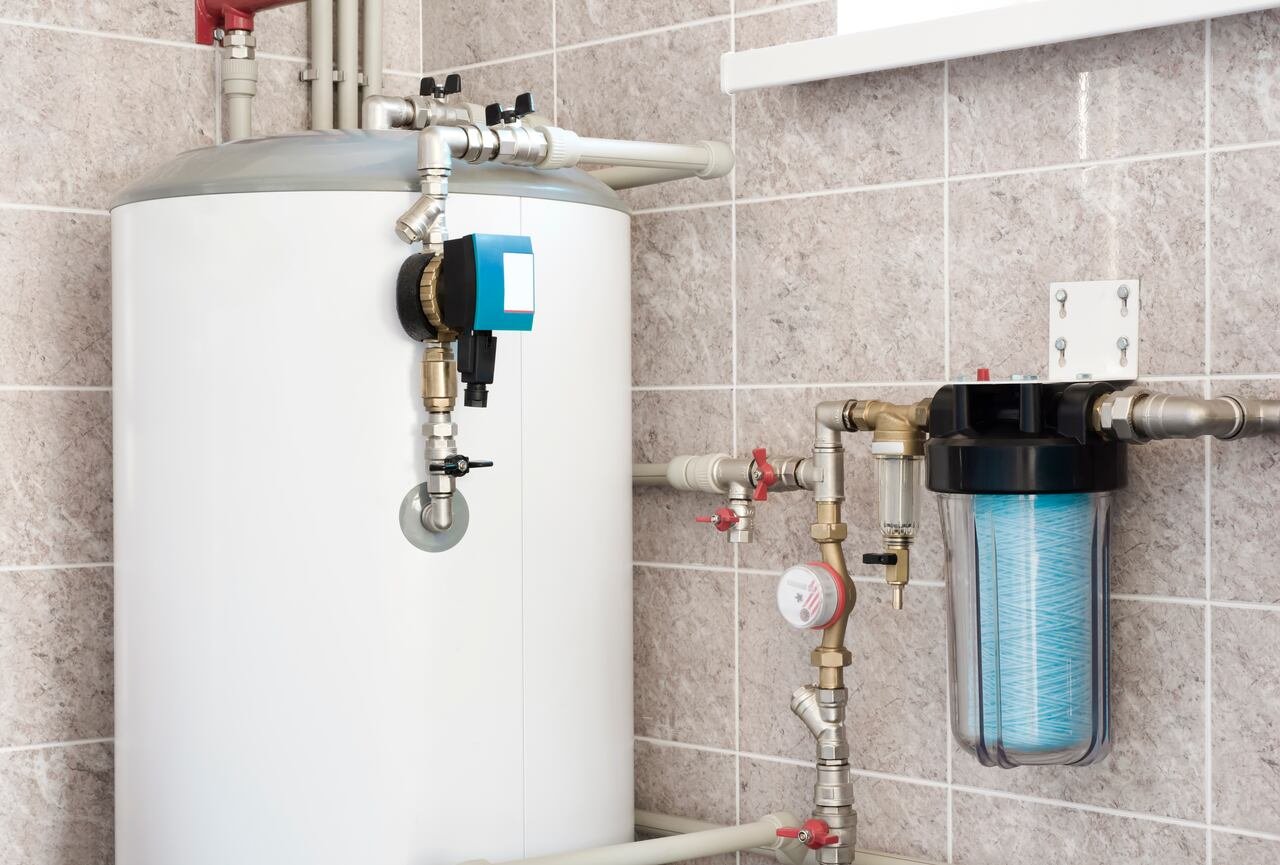
Buying the wrong size is one of the biggest mistakes homeowners make. If your unit is too small, you’ll constantly run out of hot water; too large, and you’ll waste energy keeping unused water hot.
Here’s a general sizing guide:
- 2–3 people: 40–50 gallons
- 3–4 people: 50–60 gallons
- 5+ people: 60–80 gallons
For tankless models, pay attention to flow rate (gallons per minute, or GPM). A family of four typically needs around 8–10 GPM to run multiple fixtures simultaneously.
If you’ve noticed inconsistent flow or pressure, it might be worth having your water lines inspected before installing a new heater to ensure optimal performance.
Step 3: Choose the Right Fuel Type
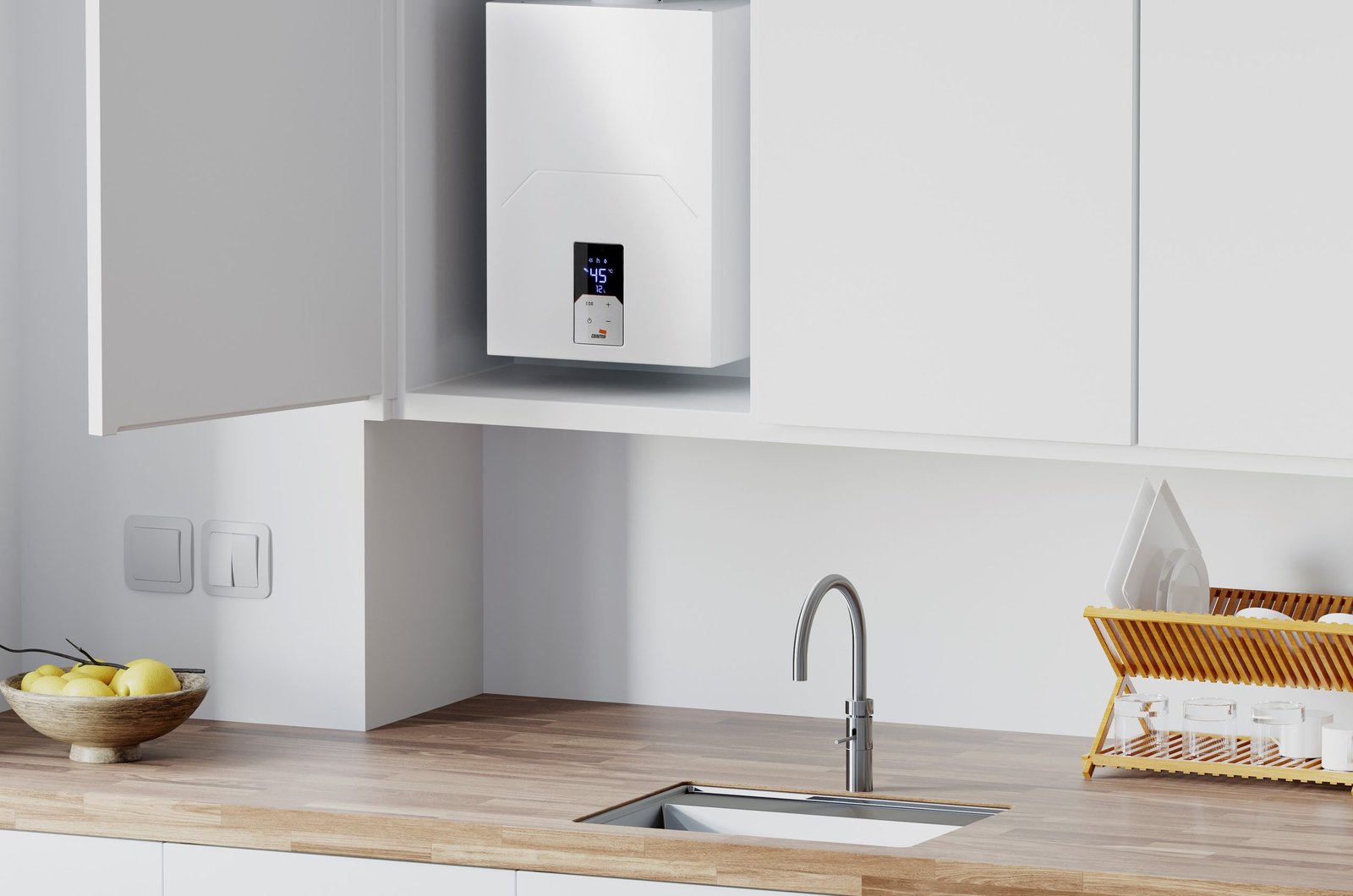
Your existing fuel source often determines what kind of heater you can install, but it’s worth evaluating all options for long-term efficiency and cost savings:
- Electric: Widely available, easy to install, but may have higher energy costs.
- Natural Gas: Fast heating and lower operating costs, though installation may require venting.
- Propane: Great for homes without gas lines, but typically more expensive than natural gas.
- Heat Pump or Hybrid: Excellent for energy savings but requires space and ventilation.
A professional video camera inspection can help confirm whether your gas or venting lines are properly positioned for the upgrade.
Step 4: Energy Efficiency and Operating Costs
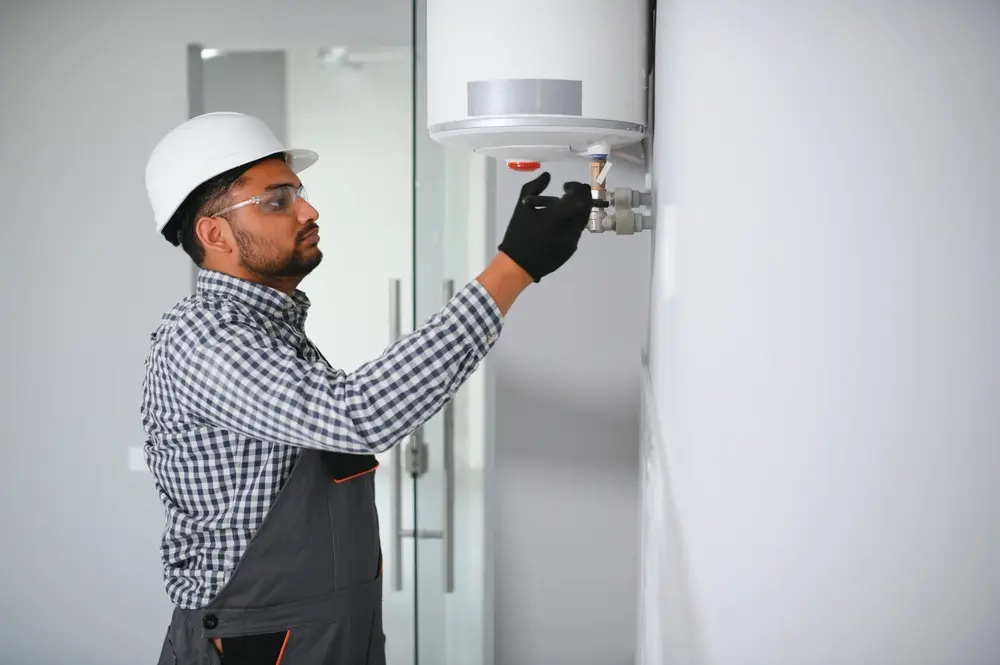
High-efficiency models can reduce your utility bills significantly over time. Look for the Energy Factor (EF) or Uniform Energy Factor (UEF) rating—the higher the number, the better.
Also check for the ENERGY STAR® label, which certifies systems that meet federal energy-efficiency standards.
While these models may cost more upfront, they typically pay for themselves through lower monthly energy costs.
If your utility bills have been rising unexpectedly, our team can assess whether leaks, line restrictions, or backflow issues are impacting efficiency.
Step 5: Installation Requirements
Proper installation is essential for performance, safety, and code compliance. Professional plumbers ensure:
- Correct pipe sizing and pressure balancing
- Secure venting and combustion air supply
- Safe electrical and gas connections
- Proper expansion tank and shut-off valve placement
We’ve corrected many DIY installations that caused backdrafting, leaks, or even water damage. Before replacing your heater, it’s wise to have a Sewer Line Inspection or Water Line Repair done to prevent issues after installation.
Need a new water heater? Get expert installation and avoid overpaying with Quince Orchard Plumbing.
Step 6: Compare Total Costs—Not Just the Price Tag
The purchase price is only part of the equation. Factor in installation costs, energy usage, lifespan, and maintenance when evaluating value.
Here’s a simple breakdown:
- Tank heaters: Lower upfront cost, moderate maintenance.
- Tankless systems: Higher upfront investment, lower operating cost, longer lifespan (up to 20 years).
- Hybrid/heat pump models: Best efficiency, but require specific installation conditions.
Professional plumbers can help you calculate the true cost of ownership—something big-box retailers often overlook.
Step 7: Plan for Maintenance
Even the best water heaters require routine maintenance to stay efficient and safe. Regular service can extend the lifespan of your unit by years.
Key maintenance tasks include:
- Flushing sediment buildup every 6–12 months.
- Inspecting the anode rod to prevent corrosion.
- Checking valves, thermostats, and connections.
- Testing pressure and temperature safety relief valves.
Our Water Heater Services include all these checks plus system calibration to ensure maximum efficiency and safety.
Step 8: Avoid Hidden Problems During Replacement
Sometimes, water heater failure is only part of the story. Older systems may reveal underlying plumbing issues—corroded pipes, slow drains, or failing sewer lines.
Before installing your new system, consider a Video Camera Sewer Inspection to identify blockages or leaks that could affect performance.
If necessary, our team also provides Sewer Line Repair & Replacement to ensure your plumbing infrastructure supports your new water heater.
Why Homeowners Trust Quince Orchard Plumbing
At Quince Orchard Plumbing, we believe buying a new water heater shouldn’t be stressful—or expensive. Our licensed plumbers combine industry expertise with honest recommendations to help you choose the perfect system for your home.
We handle everything from installation to maintenance, backed by dependable service and transparent pricing. Whether you need a tank or tankless system, we ensure your water heater runs safely, efficiently, and in compliance with local codes.