
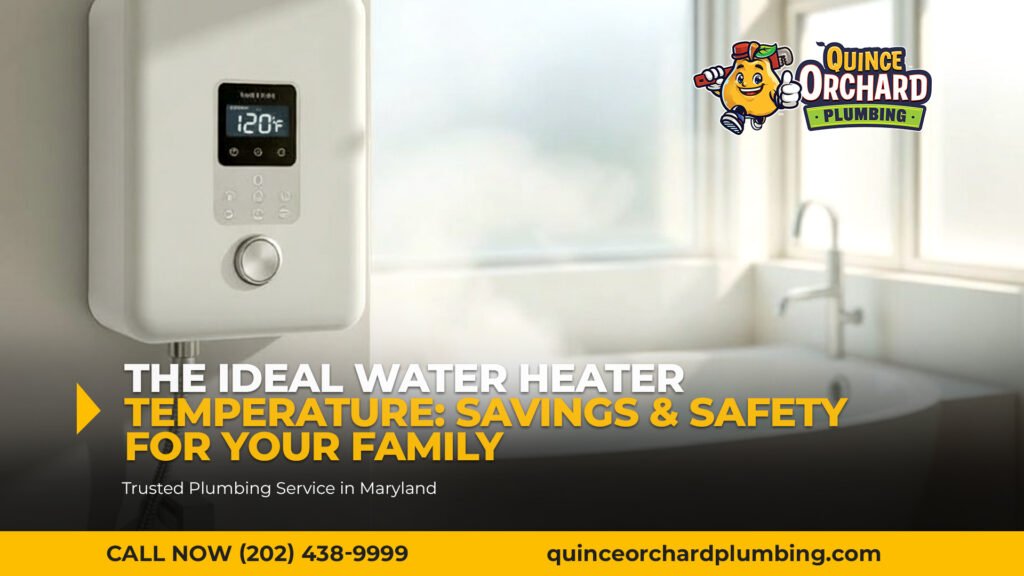
Choosing the right water heater temperature isn’t just about comfort in the shower. It’s a balance between safety, energy savings, and enough hot water for everyone at home.
For families in Gaithersburg (20878), Rockville, Germantown, North Potomac, Darnestown, Montgomery Village, Potomac (north), Derwood, Kentlands, and Washington Grove, the right setting can help prevent scalding injuries, save money on utilities, and extend the life of your water heater.
What Temperature Do Experts Recommend?
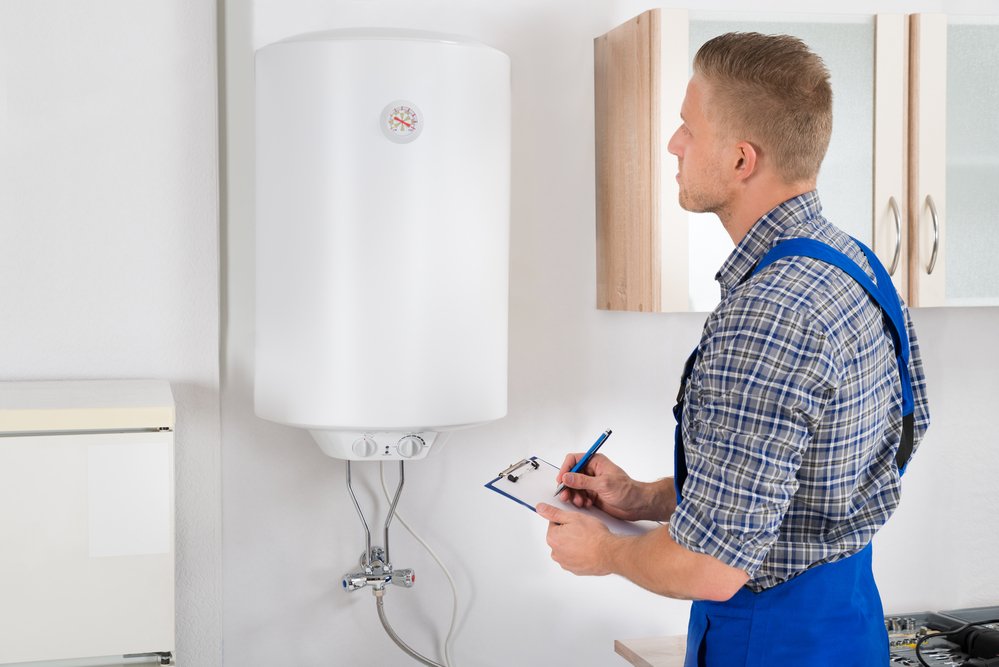
Most safety and energy experts – including the U.S. Consumer Product Safety Commission (CPSC) – recommend setting residential water heaters to around 120°F (49°C). At this temperature:
- The risk of scalding is significantly reduced, especially for children and older adults. U.S. Consumer Product Safety Commission+1
- You still get comfortable showers and effective cleaning.
- You avoid wasting energy by overheating water you don’t need. The Department of Energy’s Energy.gov
Many water heaters leave the factory set closer to 130–140°F, which can cause severe burns in seconds, particularly for kids and seniors. That’s why dialing down to about 120°F is widely considered the “sweet spot” for most families. Splash Plumbing+1
Balancing Safety & Comfort for Your Family
I like to think about water heater temperature by household type, not just a single “magic” number.
Most families (good default)
- Recommended setting: ~120°F
- Works well for typical families in Montgomery County with standard hot water use, modern dishwashers, and no special health conditions. libertyhomeguard.com
Homes with young children or older adults
- Recommended range: 115–120°F
- Kids and seniors have more sensitive skin and slower reaction times, so lowering slightly can further reduce scald risk while still providing comfortable showers. Splash Plumbing+1
For extra protection, you can combine a 120°F setting with anti-scald / mixing valves at showers and tubs. That’s something we can help with under our Water Heater Services and, when needed, as part of Backflow Prevention Services.
Large households or high-demand homes
If you’re constantly running out of hot water:
- You can sometimes go a bit higher (125–130°F) at the tank, but you should pair that with mixing valves so the water delivered to taps still stays around 120°F. libertyhomeguard.com+1
That way, you increase effective capacity without sending dangerously hot water to showers and sinks.
How Temperature Affects Energy Bills

According to the U.S. Department of Energy, water heating typically accounts for around 18% of a home’s energy use, making it the second largest energy expense in many households. The Department of Energy’s Energy.gov
That means your temperature setting has a real impact:
- Higher settings = more standby heat loss and more burner/element runtime.
- Lower settings (within safe limits) = lower utility bills and less stress on the heater.
Many sources estimate savings of roughly 3–5% on water-heating costs for every 10°F you lower the thermostat, as long as you stay within a safe range and still meet your hot-water needs. libertyhomeguard.com+1
For homes in our service area – often 25–40-year-old single-family homes and townhouses – dialing the heater down to around 120°F, insulating accessible hot-water pipes, and keeping up with maintenance can make a noticeable difference.
If your heater is older, has sediment buildup, or struggles to keep up, adjusting the temperature is just one piece; it may be time for professional tune-up or replacement, which we handle under Water Heater Services.
The right water heater temperature can prevent scalding injuries, extend equipment life, and reduce energy costs. Let our licensed plumbers inspect, adjust, and optimize your water heater for safe, reliable performance.
How to Check & Adjust Your Water Heater Temperature
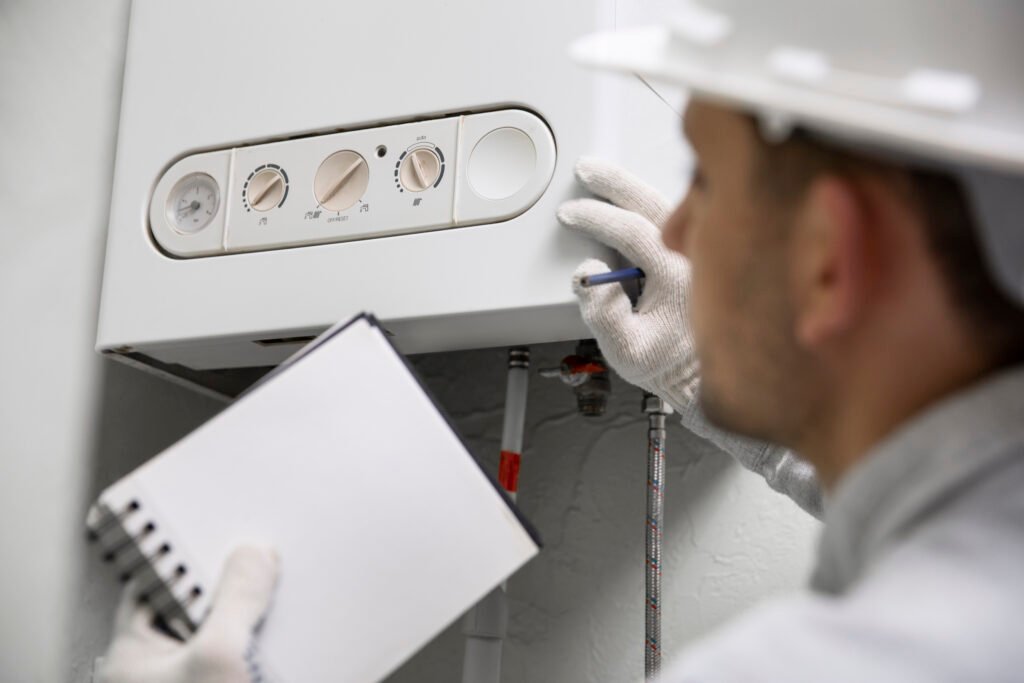
Always use caution around gas and electric connections. If you’re unsure at any step, it’s safer to have a licensed plumber handle it.
Step 1: Measure actual hot water temperature
- Choose a faucet close to where you usually feel water is “too hot” (often a bathroom sink or tub).
- Let the hot water run for at least 1–2 minutes.
- Fill a cup and use a kitchen thermometer to read the temperature.
- If it’s well above 120°F, you can safely bring it down; if it’s too low and you’re seeing comfort or hygiene issues, you may need an adjustment. Splash Plumbing+1
Step 2: Adjust the thermostat on the heater
For gas tank heaters:
- The dial is usually near the bottom of the tank.
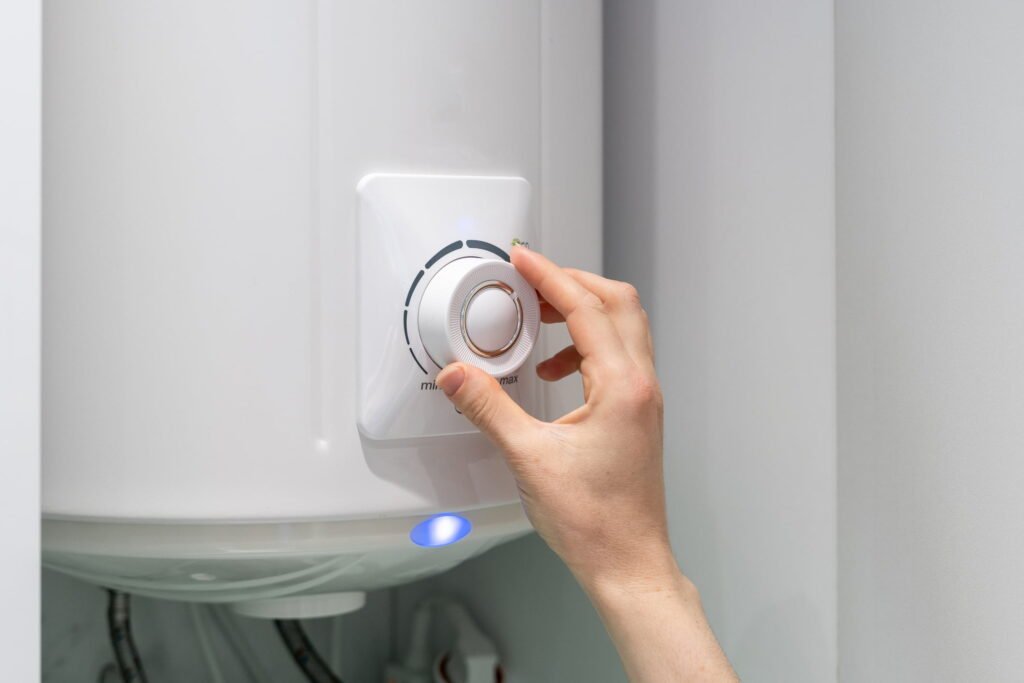
- Turn it slightly toward “hotter” or “cooler” – small moves go a long way.
- Wait a few hours, then re-test at a faucet.
For electric tank heaters:
- Turn power OFF at the breaker first.
- Remove the access panel(s) where the thermostat is located.
- Adjust to about 120°F as marked, or to the manufacturer’s equivalent setting.
- Replace panels, restore power, and re-test after the water reheats.
Tankless heaters:
- Most have a digital control panel – simply set to your target (usually 120°F for most families).
If your thermostat markings are unclear, the temperature swings wildly, or you see rust, leaks, or scorching, it’s a good moment to call us for Water Heater Services instead of guessing.
Safety Extras: Mixing Valves, Anti-Scald & Backflow
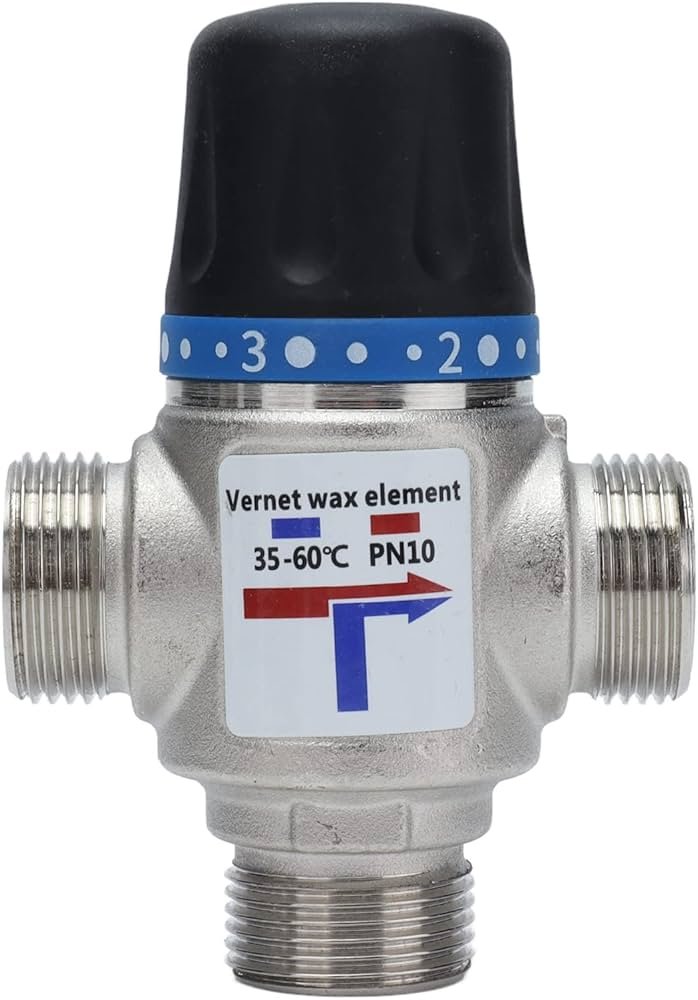
Even with the thermostat at 120°F, real-world conditions can still produce hotter water at the tap, especially if:
- Your heater’s thermostat is inaccurate.
- There’s stratification inside the tank (hotter water at the top).
- You have recirculation or complex mixing arrangements. asse-plumbing.org
To tighten safety and comfort, we can help with:
- Thermostatic mixing valves near the heater to blend hot and cold and deliver a stable outlet temperature.
- Anti-scald devices at showers and tubs.
- Backflow protection to prevent cross-connections when adding or adjusting these components, via our Backflow Prevention Services.
Signs You Need More Than Just a Temperature Change
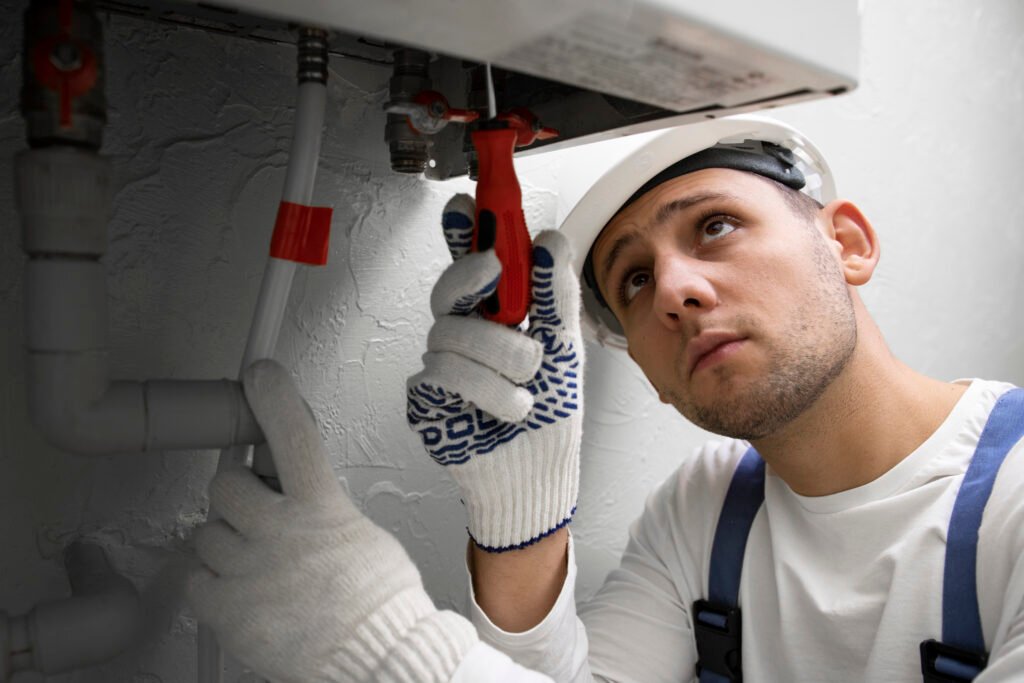
Adjusting the thermostat won’t fix deeper mechanical problems. Call a pro if you notice:
- No hot water or frequent temperature swings.
- Rumbling, popping, or banging sounds from the tank (sediment buildup).
- Rusty or discolored hot water, especially at multiple fixtures.
- Leaks around the base, fittings, or relief valve.
Those issues may indicate:
- A failing heating element, burner, thermostat, or anode → handled under Water Heater Services.
- Corroded or leaking supply lines → may require Water Line Repair.
- Concurrent slow drains or backups when running hot water → time for a Video Camera Sewer Inspection and, if needed, Sewer Line Repair & Replacement.
The right water heater temperature can prevent scalding injuries, extend equipment life, and reduce energy costs. Let our licensed plumbers inspect, adjust, and optimize your water heater for safe, reliable performance.
Quick Reference: Ideal Settings by Household Type
You can keep or adapt this as a small table or bullet list in your CMS:
- Most families in Montgomery County:
→ Start at 120°F. Adjust slightly if needed. - Homes with kids or seniors:
→ 115–120°F, plus anti-scald protections. - High-demand homes / some older dishwashers:
→ Up to 125–130°F at the tank, but only with mixing valves so water at fixtures stays around 120°F. - Health or hygiene concerns (on doctor’s advice):
→ Sometimes higher storage temperatures are used, but always combined with proper mixing and safety devices – this should be evaluated case by case with a plumber and healthcare provider involved. libertyhomeguard.com+1
Service Area (Maryland Only)
Quince Orchard Plumbing provides water heater and related plumbing services within roughly a 13-mile radius of Gaithersburg, MD 20878, including:
Gaithersburg, Rockville, Germantown, North Potomac, Darnestown, Montgomery Village, Potomac (norte), Derwood, Kentlands y Washington Grove.