
When it comes to protecting your home’s water quality, a whole-house water filter is one of the smartest investments you can make. Unlike small under-sink filters, these systems treat every drop of water entering your home—ensuring clean, safe, and great-tasting water for drinking, bathing, and cleaning.
At Quince Orchard Plumbing, we’ve seen firsthand how the right filtration system can transform water quality and extend the lifespan of a home’s plumbing system. However, understanding the basics—micron ratings, flow rate, and maintenance—is essential before installation.
Understanding Microns: The Core of Water Filtration
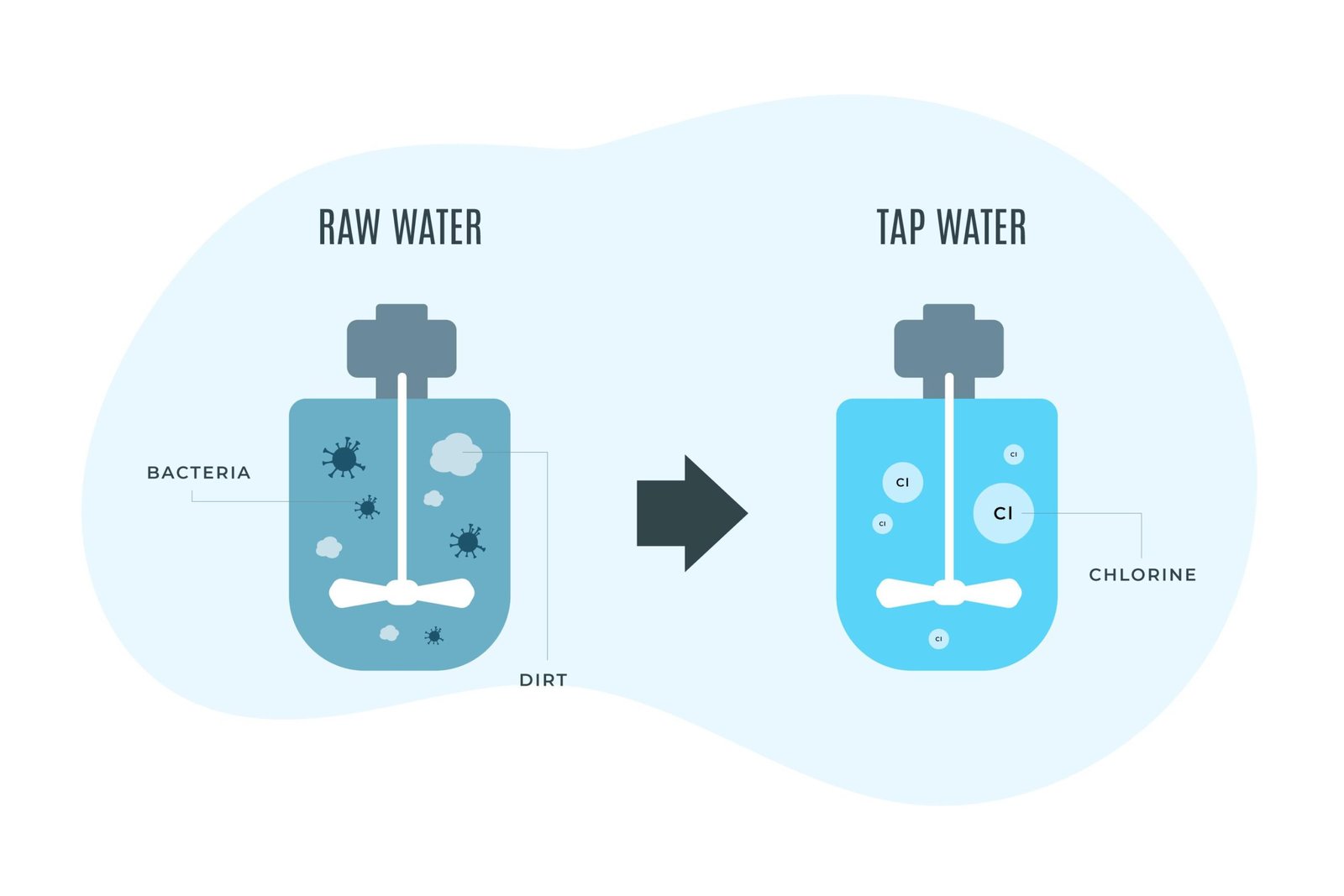
The term micron refers to the size of particles a filter can trap. One micron equals one-millionth of a meter, which is about 100 times smaller than the diameter of a human hair.
Different types of filters capture different contaminants depending on their micron rating:
- 5–10 microns: Captures sediment, sand, and rust. Ideal for pre-filters in most homes.
- 1–5 microns: Removes smaller contaminants such as chlorine by-products, silt, and organic matter.
- Sub-micron (<1 micron): Blocks bacteria, lead, and fine particulate matter. Often found in advanced multi-stage systems.
Selecting the right micron level depends on your local water conditions. If your home frequently experiences sediment or rust buildup, you might also need to check your water line for potential corrosion or leaks.
The Role of Flow Rate in Whole-House Water Filters
Flow rate measures how quickly water moves through your filtration system, typically in gallons per minute (GPM). Choosing the correct flow rate is critical—too slow, and your showers lose pressure; too fast, and contaminants may pass through unfiltered.
For most residential systems, a 10–15 GPM flow rate works well. Larger households with multiple bathrooms or high-capacity fixtures may need systems rated up to 20 GPM.
Our technicians at Quince Orchard Plumbing often inspect flow performance when we perform video camera sewer inspections or water line maintenance. Identifying pressure inconsistencies can prevent filtration inefficiencies and reduce long-term plumbing wear.
Key Benefits of a Whole-House Water Filter

Installing a filtration system for the entire home delivers benefits that go far beyond drinking water quality:
- Healthier water for your family: Removes chlorine, sediment, and other harmful substances.
- Cleaner appliances and fixtures: Prevents mineral buildup that can damage dishwashers, faucets, and washing machines.
- Extended plumbing lifespan: By filtering abrasive particles, you reduce pipe erosion and premature wear.
- Better skin and hair: Chlorine-free water helps prevent dryness and irritation.
Whole-house systems are also an excellent companion to water heater maintenance—since filtered water minimizes sediment accumulation inside tanks and improves heating efficiency.
Proper Maintenance: Keeping Your Filter System Efficient
Even the best water filters need regular maintenance to keep working effectively. Most systems use replaceable cartridges that must be changed based on water usage and manufacturer recommendations—usually every 6 to 12 months.
Here are some maintenance best practices from our plumbing experts:
- Replace filters on time: Delayed replacement can lead to pressure drops or bacterial growth.
- Flush the system periodically: This helps clear trapped sediment and maintains steady flow.
- Inspect connections and valves: Leaks can develop at filter housings or fittings over time.
- Check for backflow prevention: Ensuring your plumbing includes a reliable backflow prevention system protects clean water from contamination during pressure fluctuations.
- Schedule annual inspections: Professional plumbers can verify performance, water pressure, and filter integrity.
Neglecting maintenance not only reduces filtration performance but can also cause costly damage to connected systems like water heaters or main supply lines.
Professional Installation vs. DIY Systems
While some homeowners attempt DIY installations, whole-house systems connect directly to your main water line—requiring proper pressure testing, pipe fitting, and system calibration.
At Quince Orchard Plumbing, we’ve corrected numerous filtration systems that were improperly installed by non-professionals. Common issues include reduced pressure, leaks, and incorrect micron stages. A certified plumber ensures that filters are installed with the right pressure rating and proper bypass valves, ensuring safe and efficient operation.
If your home’s plumbing lines are aging or have visible rust or sediment, it might be wise to pair your filter installation with a water line repair or sewer line replacement. Addressing these problems before adding a filtration system can prevent contamination and improve overall performance.
Protect your home’s water system today — schedule a professional whole-house filtration assessment with Quince Orchard Plumbing and enjoy cleaner, safer water year-round.
How to Choose the Right Whole-House Water Filter
When selecting a system, consider these core factors:
- Water quality report: Identify what contaminants are most common in your area.
- Micron size: Match the filtration level to your water’s specific needs.
- Flow rate: Ensure the system supports your home’s water usage without pressure loss.
- Filter type: Sediment, carbon, or combination systems each serve different purposes.
- Maintenance accessibility: Choose a model with easy-to-replace cartridges.
If you’re unsure which system fits your property, our team offers professional evaluations. We assess flow rates, water quality, and infrastructure to recommend systems that align with your home’s design and water demand.
Why Homeowners Trust Quince Orchard Plumbing
For over a decade, Quince Orchard Plumbing has been helping homeowners in the Gaithersburg area protect their water systems through expert installation, repair, and preventive care. From water heater services to sewer line repairs, our licensed plumbers bring the precision and knowledge required for complex plumbing systems.
When it comes to whole-house water filters, our team ensures that your home’s plumbing, filtration, and water pressure work in perfect balance—delivering clean, reliable water to every faucet in your home.