

A faint sewer smell in a bathroom or basement is one of those problems that’s easy to ignore at first—and then suddenly feels urgent when it gets stronger. Beyond being unpleasant, sewer gas smells are a warning sign that something in your plumbing system isn’t working the way it should.
In homes around Gaithersburg, Rockville, Germantown, North Potomac, and the rest of Montgomery County, these odors often show up in:
- Guest bathrooms that don’t get used very often
- Basement bathrooms or unfinished basement floor drains
- Laundry areas, utility rooms, or mechanical rooms
The good news: many sewer gas issues are preventable with simple habits and basic maintenance. In this guide, we’ll explain the most common causes of sewer gas smells in bathrooms and basements, how to prevent them, and when you should call a professional plumber for a deeper inspection or Video Camera Sewer Inspection.
What Is Sewer Gas (and Why It Matters)?
Sewer gas is a mix of gases produced as wastewater and organic material break down in your plumbing and the public sewer system. Your home’s plumbing is designed to keep those gases safely contained inside the pipes—and out of your living space.
That job is handled by:
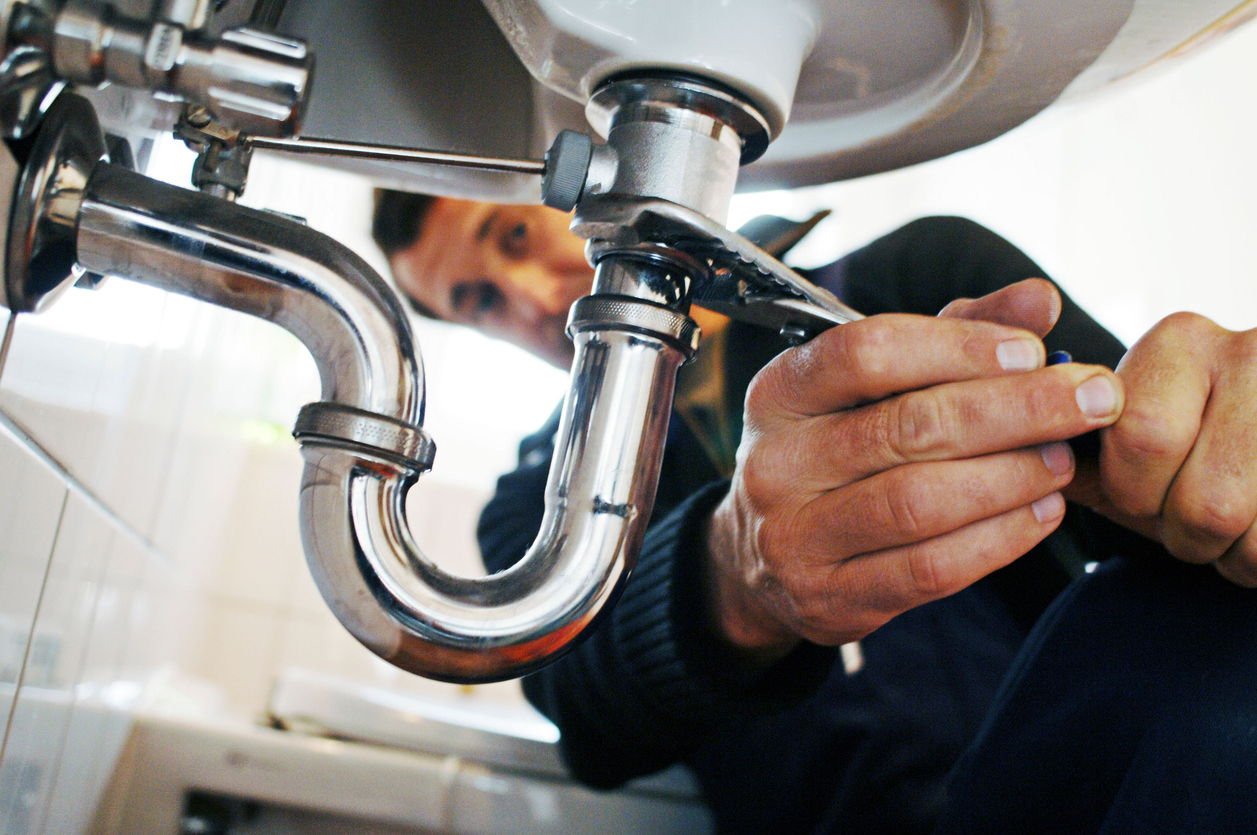
- P-traps (the curved sections of pipe under sinks, showers, floor drains)
- Vents (pipes that go up through the roof to equalize pressure)
- Sealed connections (wax rings under toilets, tight fittings at cleanouts and joints)
When you smell sewer gas in a bathroom or basement, it means one of those protections is failing: a trap is dry, a seal is broken, a vent is blocked, or a drain or sewer line has a defect.
The Most Common Causes of Sewer Gas Smells Indoors
In Montgomery County homes with basements and multiple bathrooms, we tend to see the same root causes again and again.
1. Dry P-Traps in Little-Used Fixtures
Every sink, tub, shower, and floor drain should have a P-trap that holds water to block sewer gas. If the fixture isn’t used for a while—think guest bath or basement floor drain—that water can slowly evaporate.
Once the water level in the trap drops too low:
- Sewer gas can move freely into the room
- You’ll start to notice a “sewer” or “rotten egg” smell
- The odor often gets worse in dry weather or when the heat is running
2. Loose or Failed Toilet Wax Rings
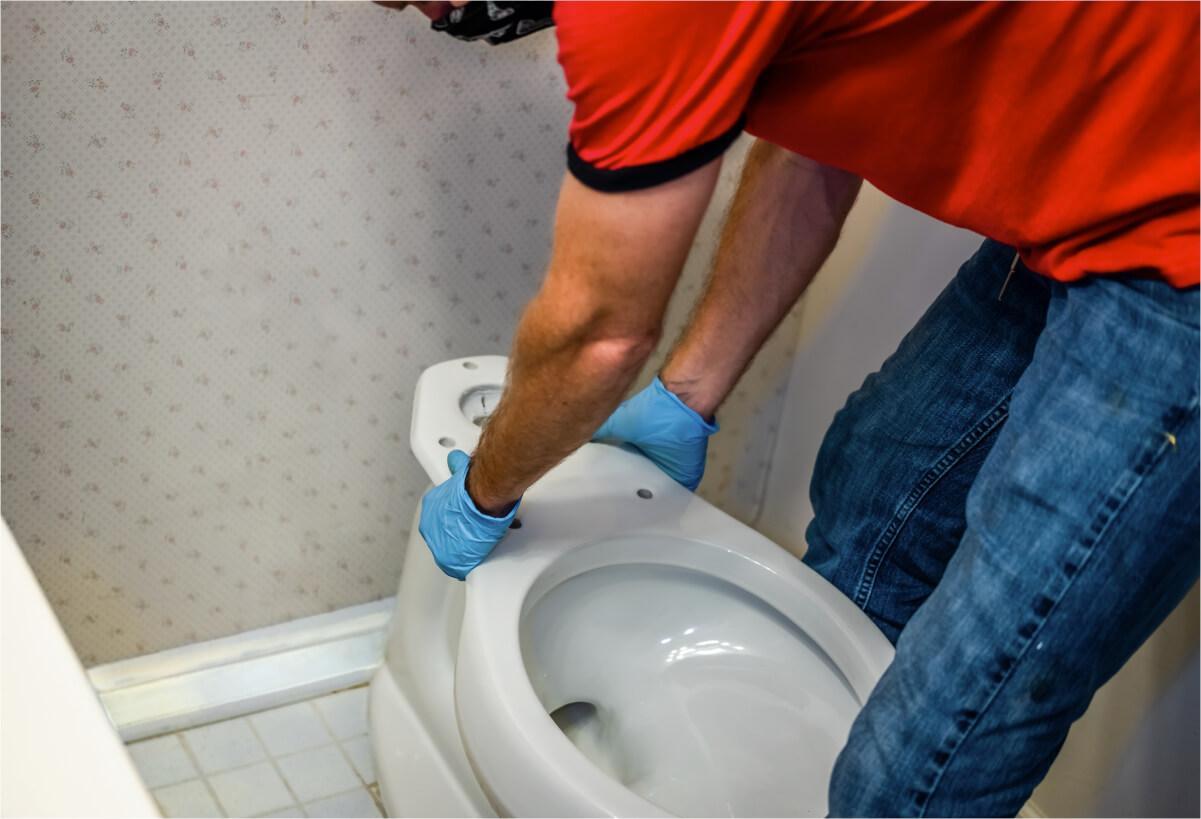
The base of each toilet is sealed to the drain with a wax ring or similar sealing gasket. If that seal fails due to movement, age, or improper installation, sewer gas can leak into the bathroom around the base of the toilet—even without visible water leakage.
Warning signs include:
- Sewer smell concentrated near the base of the toilet
- The toilet feeling slightly loose or rocking
- Staining or soft flooring around the base over time
3. Problems With Vents (Roof Vents or Air Admittance Valves)
Your plumbing vent system allows air into the pipes so water and waste can flow smoothly. If vents are:
- Blocked by leaves, debris, or nests
- Incorrectly sized or improperly tied together
- Using failing mechanical vents (air admittance valves) instead of proper roof vents
you can get pressure changes that pull water out of traps or push sewer gas into the house.
4. Floor Drains and Basement Traps That Dry Out
Basement floor drains and utility room drains are notorious for sewer gas smells because they are:
- Often only used during emergencies or deep cleaning
- Exposed to dry air that speeds evaporation
- Sometimes connected in older ways that cross paths with sewer or sump systems
When the floor drain trap dries out, the basement can start to smell like an open sewer—even if everything else seems to be working fine.
5. Cracked or Damaged Sewer Lines Near the House
In some cases, especially in older Gaithersburg and Rockville neighborhoods, sewer gas smells in basements are a sign of a more serious problem: a cracked or leaking sewer line under or near the foundation.
That can happen when:
- Old clay or cast-iron lines crack with age or movement
- Tree roots enter and damage the pipe
- The line settles and separates at joints, allowing gas and water to escape
These issues often show up along with slow drains, occasional backups, or damp spots near foundation walls. That’s when a Video Camera Sewer Inspection and possibly Sewer Line Repair & Replacement become part of the conversation.
Simple Habits to Prevent Sewer Gas Smells

The first line of defense is keeping traps wet and seals intact. These small habits go a long way in bathrooms and basements.
1. Run Water Periodically in Every Fixture
For guest bathrooms, basement baths, and utility sinks:
- Once every few weeks, run water for 30–60 seconds in each sink and shower.
- Flush rarely used toilets to refresh the trap and the bowl.
This keeps water in the traps and helps prevent smells before they start.
2. Top Off Floor Drains and Basement Traps
Basement and garage floor drains need attention because they’re easy to forget. To keep them from drying out:
- Pour a quart or two of water down the drain every month or so.
- For drains that dry out quickly, some homeowners carefully add a thin layer of mineral oil on top of the water to slow evaporation (never use flammable oils).
If a particular drain refuses to stay wet or you’re unsure if it’s still needed, a plumber can evaluate whether it needs a trap primer, repiping, or another solution.
3. Make Sure Toilets Are Solid and Properly Sealed
To help prevent sewer gas around toilets:
- Check that each toilet feels solid and doesn’t rock when you sit or shift your weight.
- Watch for staining, soft flooring, or dark spots around the base.
- If you smell sewer gas only near a specific toilet, get the wax ring checked and replaced if needed.
Replacing a wax ring is a routine plumbing job, but it’s crucial for both odor control and preventing hidden water damage.
4. Avoid Unnecessary Connections and “Creative” Plumbing
Over the years, many basements and bathrooms have been modified by previous owners. We still find:
- Improvised connections between sump systems and sewers
- Improperly vented basement baths
- Old caps or cleanout plugs that were never reinstalled properly
If your home has a history of “DIY” plumbing, it’s wise to have a licensed plumber inspect the layout, especially where sewage, sump pumps, and floor drains meet. In some cases, adding or improving Backflow Prevention Services is also important for keeping wastewater flowing in the right direction.
How to Check for Venting Issues
Because roof vents play a big role in preventing sewer gas smells, it’s natural to wonder if they’re blocked. As a homeowner, you don’t need to climb on the roof to get a sense that something might be wrong with venting.
Signs that venting could be part of the problem include:
- Gurgling sounds in sinks or tubs when toilets flush
- Traps losing water repeatedly, even after you refill them
- Smells that are worse when multiple fixtures are used at once
A plumber can:
- Visually inspect roof vents and accessible vent piping
- Use specialized tools to clear blockages when needed
- Verify that mechanical vents (if present) are installed correctly and functioning
When Sewer Gas Smells Mean a Bigger Problem
Some situations call for more than DIY prevention. You should contact a professional plumber if:
- The sewer gas smell is strong, persistent, or getting worse
- Multiple bathrooms or areas of the house are affected
- Odors are accompanied by slow drains, gurgling, or occasional backups
- You notice damp spots, cracks, or settling near foundation walls or basement slabs
In these cases, we often recommend a Video Camera Sewer Inspection to see what’s happening inside your main drain and sewer line. If we find cracks, sags, or root intrusion, we may suggest targeted Sewer Line Repair & Replacement to solve the problem at its source.
DIY vs. Calling a Pro: A Simple Decision Guide
Here’s a quick way to think about sewer gas smells in your bathrooms and basement:
- DIY is usually fine when…
- The smell is mild and localized to one fixture.
- It started after a long period of not using that sink, shower, or floor drain.
- Running water through the trap and basic cleaning improves the situation.
- Call a plumber when…
- Smells persist or return quickly after DIY efforts.
- Multiple fixtures or rooms are affected.
- You notice gurgling, slow drains, or backups.
- There are signs of possible sewer line damage near the foundation.
A licensed plumber can test traps, check under-sink piping, inspect venting, and use camera equipment to look at your main sewer line. If needed, we’ll also check for issues that might call for Backflow Prevention Services or more extensive sewer repairs.
Smelling sewer gas in a bathroom or basement? Call Quince Orchard Plumbing today for a professional inspection and repair in Montgomery County, MD.
How Quince Orchard Plumbing Helps Montgomery County Homeowners
At Quince Orchard Plumbing, we routinely help homeowners in Gaithersburg (20878), Rockville, Germantown, North Potomac, Darnestown, Montgomery Village, Potomac (north), Derwood, Kentlands, and Washington Grove track down and solve sewer gas problems.
We can:
- Inspect and adjust traps, toilet seals, and under-sink plumbing
- Clean and clear problem drains safely and effectively
- Perform Video Camera Sewer Inspection to check your main sewer line
- Handle targeted Sewer Line Repair & Replacement when damage is found
- Evaluate and upgrade any necessary Backflow Prevention Services for added protection
The goal isn’t just to mask the smell—it’s to find the root cause and fix it so your bathrooms and basement stay fresh and safe long term.
Service Area: Quince Orchard Plumbing proudly serves Gaithersburg (20878), Rockville, Germantown, North Potomac, Darnestown, Montgomery Village, Potomac (north), Derwood, Kentlands, and Washington Grove.
Smelling sewer gas in a bathroom or basement? Don’t ignore it.
Quince Orchard Plumbing can inspect your traps, vents, and sewer line, then recommend the right fix to stop sewer gas smells and protect your Montgomery County home.