

If your toilet overflows but drains later, don’t write it off as “just a weird flush.” That pattern often means wastewater is having trouble moving through the drain system. Sometimes the toilet clears because the blockage shifts. Other times it clears because the water slowly squeezes past a restriction—then the problem returns worse.
In Montgomery County, MD—especially in Gaithersburg (20878), Rockville, Germantown, North Potomac, and surrounding areas—this is a common early symptom of a developing main sewer line clog. The key is knowing the difference between a simple toilet clog and a larger drain problem before you get a full backup.
Toilet overflows but drains later: what’s actually happening?
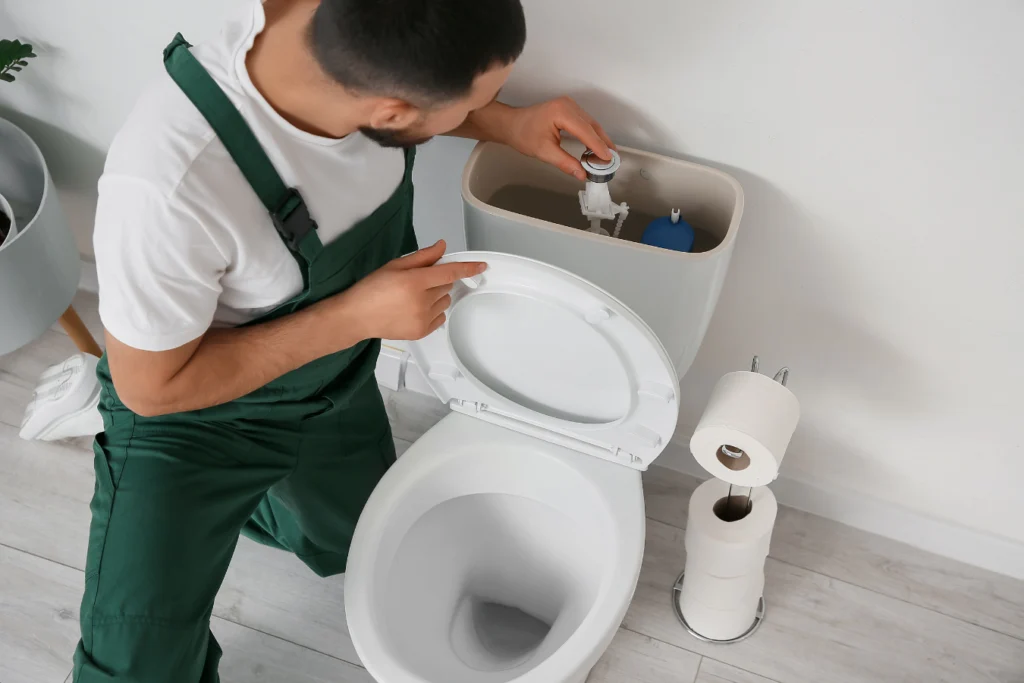
A toilet normally pushes waste through a trapway and into a larger drain line. When flow is restricted downstream, the bowl can rise because water can’t leave fast enough. Then, after a delay, it drains because one of these happens:
- The blockage shifts slightly
- The water level slowly forces past a partial restriction
- Another fixture stops running and pressure changes in the line
- The clog breaks apart temporarily (but doesn’t disappear)
In other words, delayed draining is not “fixed”—it’s a warning sign.
Quick test: is it a toilet clog or a main sewer problem?
Use this checklist right away:
It’s more likely a local toilet clog if:
- Only one toilet is affected
- Sinks, tubs, and showers drain normally
- A plunger clears it and it stays clear
- There’s no gurgling in other drains
It may be a main sewer clog if:
- The toilet gurgles or bubbles after you run water elsewhere
- A tub/shower drains slowly at the same time
- A floor drain in a basement/utility area backs up
- Multiple toilets or drains act up within the same day
- The issue comes back repeatedly even after plunging
If you see multi-fixture symptoms, stop “testing” with more water. That can trigger a backup.
If your toilet overflows but drains later, don’t wait for a full backup. Call Quince Orchard Plumbing for fast, local help in Montgomery County, MD.
Early warning signs of a main sewer clog
A main line clog usually gives you clues before it becomes a full emergency. Look for these patterns:
1) Gurgling toilets (especially after running a sink or shower)
Gurgling often means air is being displaced in the drain line because flow is restricted. Therefore, it’s one of the most useful early clues.
2) Slow drains in the lowest fixtures
Tubs, showers, and basement floor drains are often the first to show problems. That’s because they’re low points and they handle a lot of water quickly.
3) “It overflows, then drains later” keeps repeating
If the cycle repeats, the restriction is still there. In many cases, it’s getting worse.
4) Water shows up in the wrong place
You flush a toilet and the tub gurgles. Or you run the washer and a floor drain gets wet. That cross-fixture behavior is a classic sign of a downstream restriction.
5) Sewer odor near drains
Odor alone isn’t proof, but combined with slow drains or bubbling, it’s a strong signal.
When these signs appear, the best next step is often to confirm what’s happening inside the pipe with a Video Camera Sewer Inspection. It shows whether you’re dealing with grease buildup, roots, a belly (low spot holding debris), or a damaged section.
If the line is compromised, Sewer Line Repair & Replacement is the long-term solution.
What to do right now (safe steps that actually help)
If your toilet overflows but drains later, take these steps in order:
Step 1: Stop flushing and stop running water
This prevents turning a partial clog into a full backup.
Step 2: Check other drains quickly
Run a small amount of water in a sink or shower (briefly). If you hear gurgling or notice slow draining, treat it as a system issue.
Step 3: Use a flange plunger correctly (for a suspected local toilet clog)
- Use a flange plunger (made for toilets)
- Make sure the plunger seals
- Plunge in short, firm bursts for 15–20 seconds
- Wait and see if the bowl clears and stays clear
If the toilet clears but symptoms return—or other drains are affected—move to the next step.
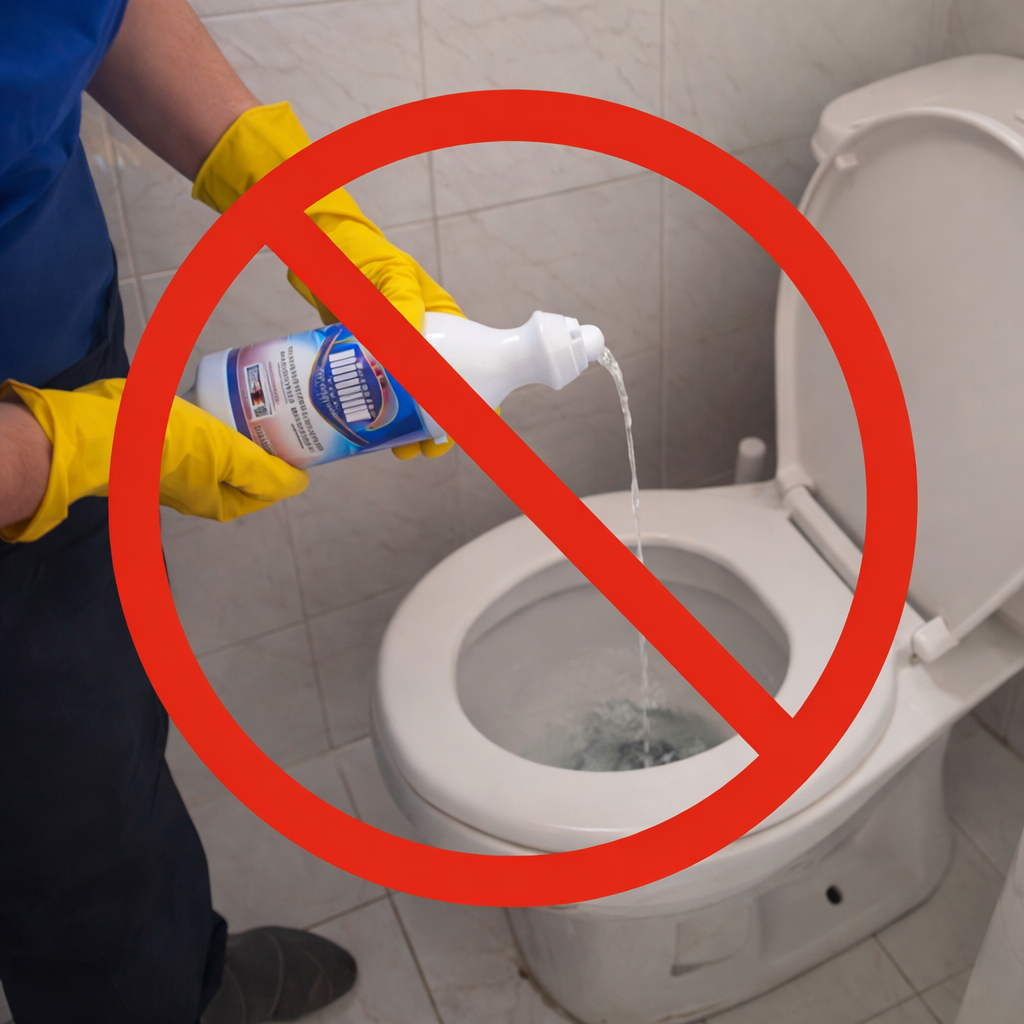
Step 4: Avoid chemical drain cleaners
Chemicals can be dangerous and don’t solve main line clogs. In addition, they create hazards if a plumber needs to open the line afterward.
Step 5: Schedule an inspection if warning signs are present
A camera inspection avoids guesswork and prevents repeated overflow events. That’s why we often recommend Video Camera Sewer Inspection when delayed draining repeats or multiple fixtures show symptoms.
Why “waiting it out” is risky
A developing main sewer clog rarely improves on its own. Instead, it often progresses from:
- occasional slow drains →
- repeated toilet overflows that drain later →
- full backup (tubs, toilets, floor drains) →
Once it’s a full backup, cleanup and restoration costs can climb fast. Therefore, early action is the safest and most affordable path.
DIY vs. call a plumber (fast decision)
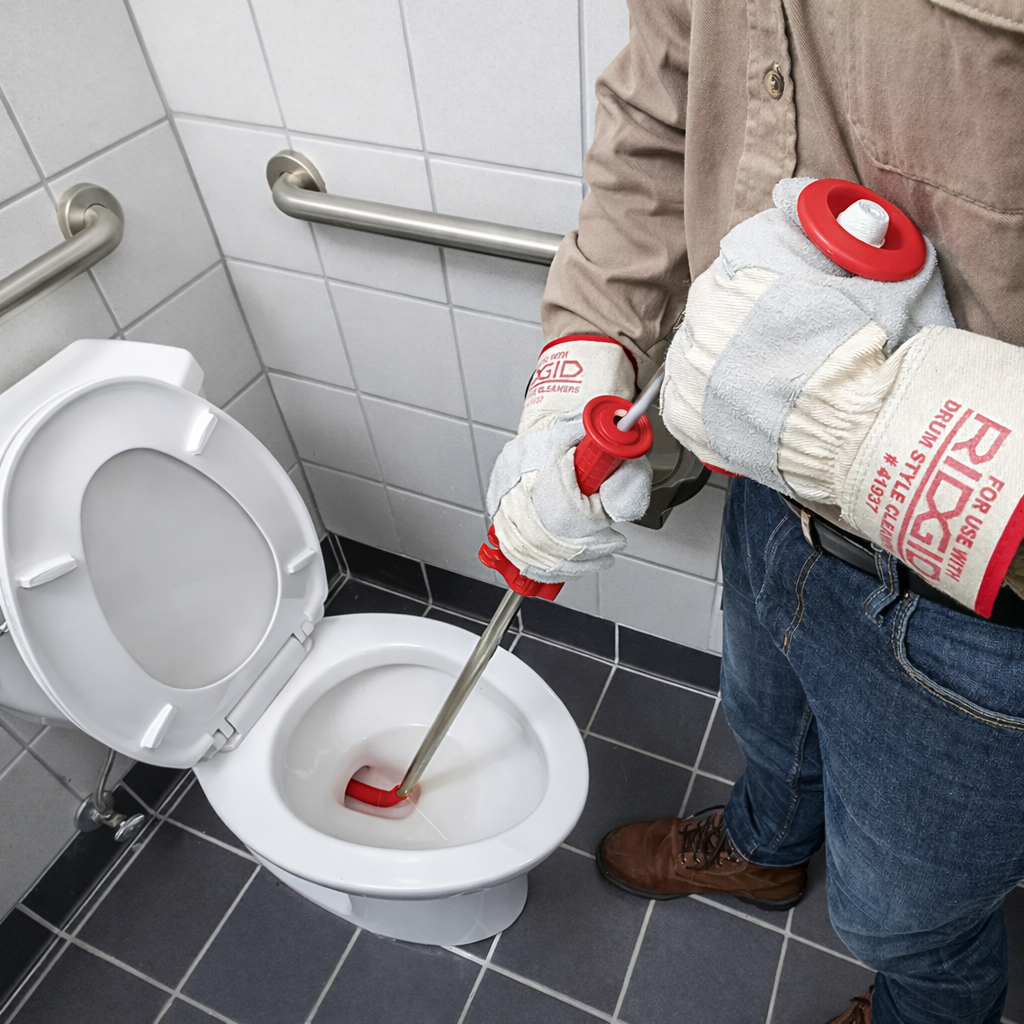
DIY is usually fine when:
- Only one toilet is affected
- A proper plunge clears it and it stays clear
- No gurgling, no slow tubs/showers, no floor drain issues
Call a plumber when:
- The toilet overflow pattern repeats
- Any other drain is slow at the same time
- You hear gurgling or see bubbling in toilets
- You suspect roots, a belly, or a recurring restriction
- You want a definitive diagnosis
For recurring issues, Video Camera Sewer Inspection is the quickest way to confirm the real cause. If repair is needed, Sewer Line Repair & Replacement can address the damaged section safely.
If your toilet overflows but drains later, don’t wait for a full backup. Call Quince Orchard Plumbing for fast, local help in Montgomery County, MD.
FAQ: Toilet overflows but drains later
Can a toilet overflow from a main line clog even if other drains seem fine?
Yes. Early on, the toilet can be the first fixture to show symptoms—especially if it’s used frequently or located on a lower level.
Why does it drain later without doing anything?
Because water can slowly squeeze past a partial restriction, or the clog shifts temporarily. However, the underlying issue remains.
What’s the fastest way to know if it’s the main sewer line?
A camera inspection is the most direct answer. It shows the exact location and cause of the restriction.
Service Area (Maryland only)
Quince Orchard Plumbing serves Gaithersburg (20878), Rockville, Germantown, North Potomac, Darnestown, Montgomery Village, Potomac (north), Derwood, Kentlands, and Washington Grove.