

Standing water in the shower is almost always a drainage restriction, but the location of that restriction makes a huge difference. Sometimes it’s simply hair and soap scum at the shower drain. Other times, the shower is the first place you notice a developing main line problem—especially if your shower sits on a lower level or you’re seeing gurgling elsewhere.
In Montgomery County, MD—across Gaithersburg (20878), Rockville, Germantown, North Potomac, and nearby neighborhoods—both scenarios are common. To help you avoid guesswork, here’s a plumber’s checklist to identify what’s actually happening, what’s safe to try, and when it’s time to stop and call for help.
Standing water in the shower: quick diagnosis (60 seconds)
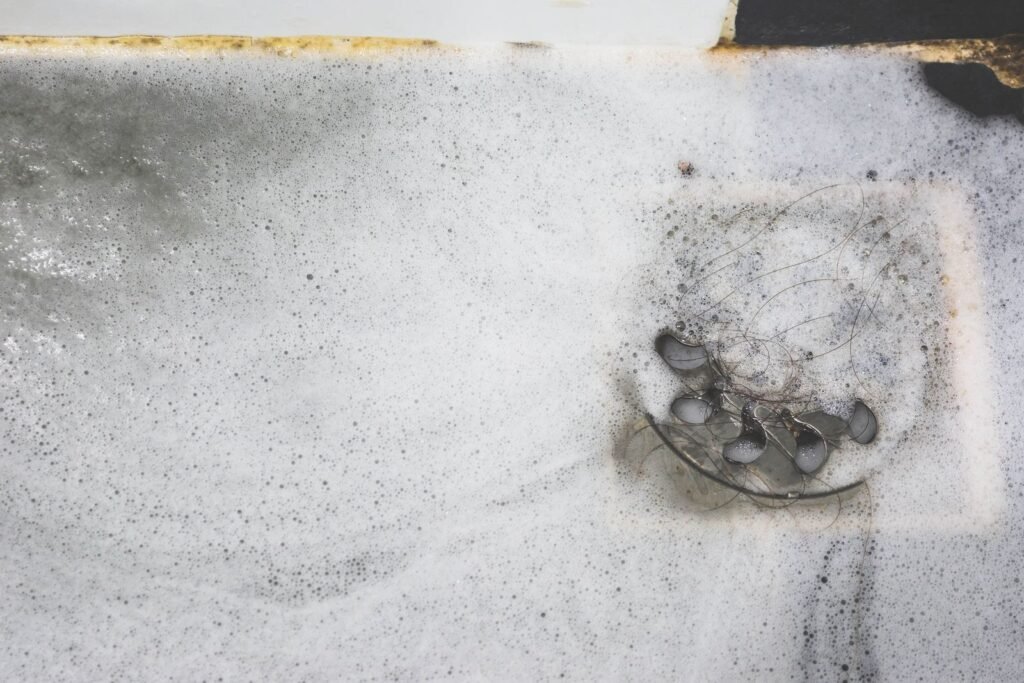
Start with these two questions:
- Is it only the shower?
- Do any other drains act “weird” at the same time?
It’s usually a hair clog if:
- Only the shower is slow (the sink and toilet in the same bathroom drain normally)
- Water rises while you shower, then drains down slowly afterward
- You see hair/product buildup around the drain cover
- There’s no sewage smell—just “stale water” odor
It may be a main line or deeper branch issue if:
- A toilet gurgles when the shower drains
- Water backs up in another fixture (tub, toilet, or floor drain)
- Multiple drains slow down together (shower + sink, shower + laundry, etc.)
- You notice sewer odor or “dirty” backup water
- The problem comes and goes, then returns worse later
Important: If more than one drain is involved, avoid running more water “to test it.” Instead, treat it like a developing backup.
Hair clog checklist: what actually causes standing water in the shower
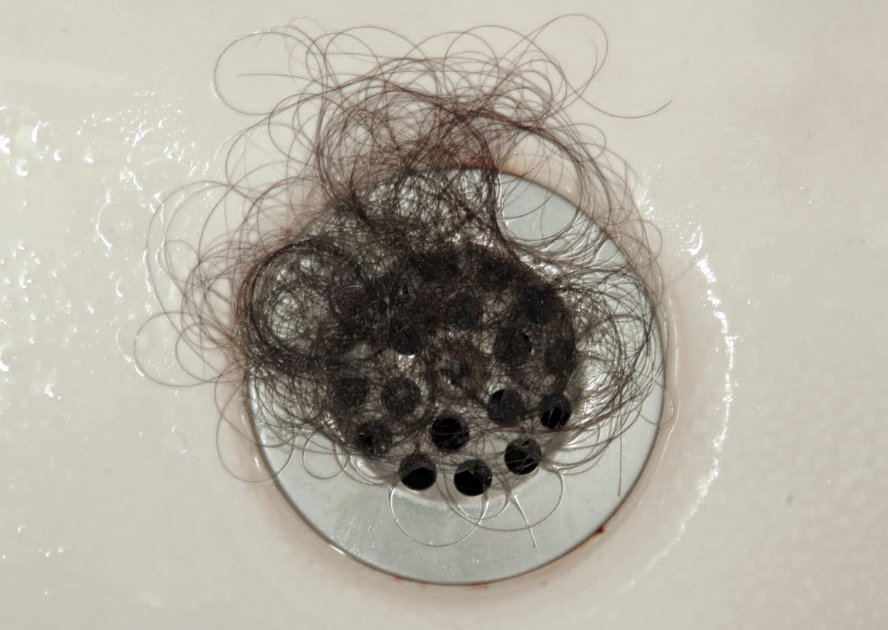
Most shower clogs are a combination of hair + soap scum + product residue. Over time, that mix turns into a sticky net that grabs more debris. As a result, you go from “a little slow” to “won’t drain” surprisingly fast.
Common hair-clog culprits
- Hair packed just under the drain cover
- Sludge buildup in the trap (often beyond what you can see)
- Residue accumulation after heavy conditioners or body oils
- A partial blockage farther down the branch line
If your standing water in the shower started gradually and only affects that one drain, you’re likely dealing with a local clog.
Main line warning signs: when standing water is NOT just hair
A main line restriction often reveals itself through patterns. For example, the shower may be the first fixture to show symptoms because it sends a lot of water quickly into the line.
Red flags that point beyond the shower drain
- Toilet bowl bubbles or gurgles after shower use
- Water level rises in the tub/shower when you flush
- A floor drain in the basement or utility area shows water
- Multiple fixtures slow down during the same day
- The issue returns soon after DIY attempts
When those signs appear, the fastest way to stop guessing is to look inside the pipe. That’s exactly why we recommend Video Camera Sewer Inspection for recurring backups or multi-fixture symptoms. If the camera confirms damage, a belly, roots, or collapse risk, then Sewer Line Repair & Replacement becomes the long-term fix.
What to try first (safe DIY fixes in the right order)
If it looks like a hair clog, do these steps in order. That sequence is safer and usually more effective than “random methods.”
Step 1: Remove the drain cover and clear what you can see
- Wear gloves
- Pull out visible hair and residue
- Wipe the drain opening clean
- Test with a small amount of water
Step 2: Use a zip snake (best first tool for hair clogs)
A plastic barbed drain snake often works immediately.
- Insert slowly
- Twist gently
- Pull debris out
- Repeat until it comes out mostly clean
- Test drainage again
Step 3: Plunge the shower drain (yes, it can help)
Plunging can dislodge soft clogs near the trap.
- Add enough water to cover the plunger cup
- For tub/shower combos, seal the overflow if possible
- Plunge in short bursts for 15–20 seconds
- Re-test flow
Step 4: Flush with hot tap water + a little soap (not boiling)
After mechanical clearing, a hot flush helps wash away residue.
- Use hot tap water (avoid boiling water)
- Add a small amount of dish soap
- Run for 30–60 seconds and observe
Step 5: Skip harsh chemical drain cleaners
Chemical drain cleaners often fail on hair-heavy clogs and can create safety hazards. More importantly, they complicate professional service if we need to open the line afterward. For safety guidance, see: Poison Control – caustic chemical risks.
If DIY fails: what a plumber typically does next

When the clog won’t clear—or keeps returning—the restriction is usually deeper than the drain opening.
Typically, the next steps are:
- Professional cable/snaking for deeper branch clogs
- Targeted cleaning if buildup is heavy
- Camera inspection when symptoms suggest main line involvement
If your standing water in the shower returns within days or weeks, it’s often a sign that the line isn’t fully clear—or there’s a structural issue causing repeat clogs. In that situation, Video Camera Sewer Inspection is the most efficient way to confirm the root cause.
Standing water in the shower and not sure if it’s hair or the main line? Call Quince Orchard Plumbing for fast, local help in Montgomery County, MD.
DIY vs. call a plumber (quick decision)
DIY is usually fine when:
- Only the shower is affected
- You can remove hair and see improvement
- No gurgling toilet or other drain symptoms show up
Call a plumber when:
- Multiple fixtures are slow or backing up
- A toilet gurgles when the shower drains
- You smell sewer odor or see dirty backup water
- The clog returns repeatedly
- You suspect a deeper or main line issue
If a main line problem is confirmed, Sewer Line Repair & Replacement can address damaged sections safely and permanently.
Prevention checklist (keep showers draining)

A few habits reduce shower clogs dramatically:
- Use a hair catcher and clean it weekly
- Rinse heavy product residue with extra water flow
- Flush the drain with hot tap water for 30 seconds weekly
- Address slow drains early (before they become standing water)
FAQ: Standing water in the shower
Why do I get standing water in the shower but the sink is fine?
Most of the time it’s a hair clog in the shower drain or trap. However, if the toilet gurgles or other drains slow down, the issue may be deeper.
Can a main line issue show up as a shower problem first?
Yes. In many homes the shower/tub is a low fixture, so it can reveal a developing restriction earlier than higher drains.
When should I request a camera inspection?
If the problem is recurring, affects multiple drains, or shows main line warning signs, a Video Camera Sewer Inspection is the fastest way to get clarity.
Standing water in the shower and not sure if it’s hair or the main line? Call Quince Orchard Plumbing for fast, local help in Montgomery County, MD.
Service Area (Maryland only)
Quince Orchard Plumbing serves Gaithersburg (20878), Rockville, Germantown, North Potomac, Darnestown, Montgomery Village, Potomac (north), Derwood, Kentlands, and Washington Grove.