

If your home’s water pressure feels “off” (too strong, too weak, or constantly changing), your Pressure Reducing Valve (PRV)—also called a water pressure regulator—may be the reason. A PRV sits on your main water line and keeps incoming municipal pressure at a safe, steady level for your plumbing, fixtures, and appliances.
In Montgomery County, MD—especially in areas like Gaithersburg (20878), Rockville, Germantown, and North Potomac—we often see pressure issues show up as mystery leaks, noisy pipes, dripping relief valves, and premature failure of supply lines.
If you want a pro to test, diagnose, and replace a PRV safely on your main line, start with Water Line Repair.
What a PRV does (and why it matters)
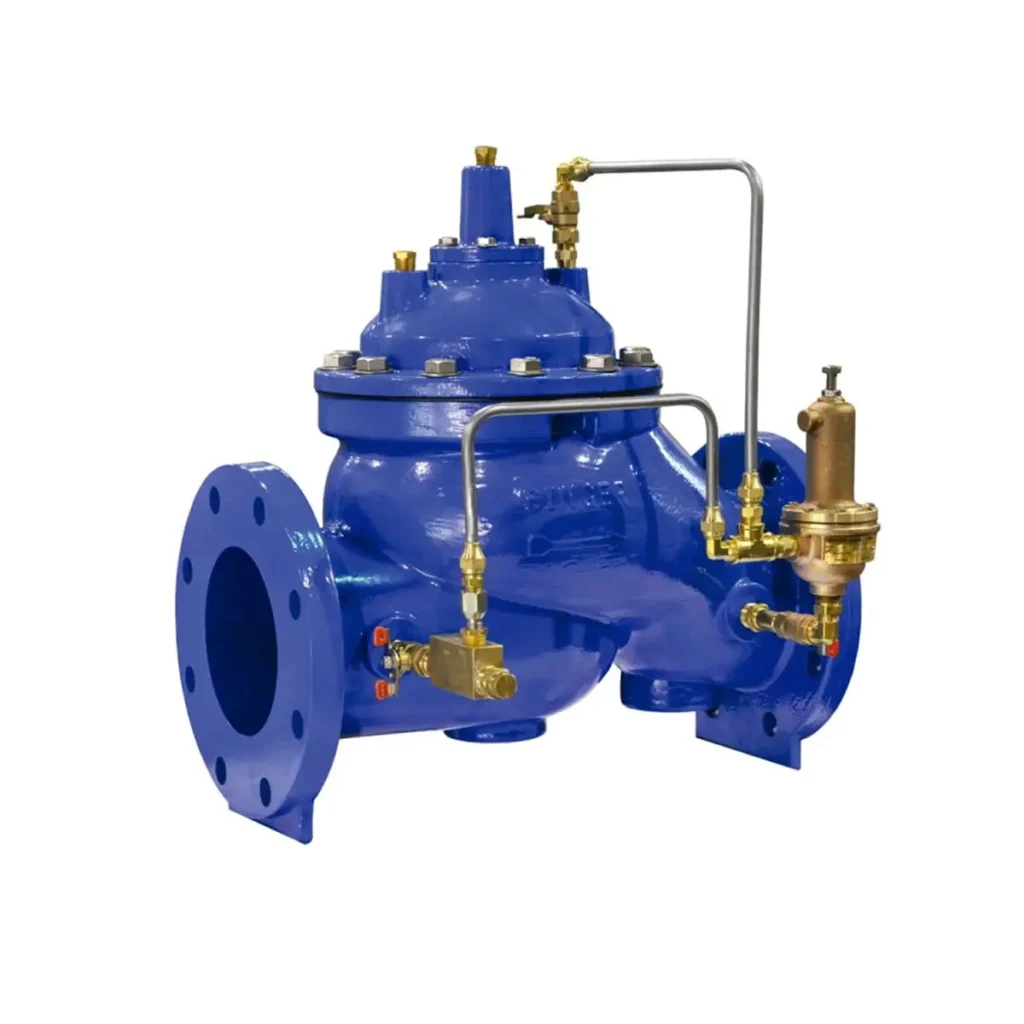
Incoming city water pressure can be higher than what a home should run. A PRV reduces that pressure to a stable setpoint so you get:
- smoother fixture performance (showers, faucets, toilets)
- less wear on supply lines, valves, and appliances
- fewer “pressure spike” problems
A failing PRV can cause either high pressure or low pressure—and sometimes both at different times.
PRV symptoms: what homeowners notice first
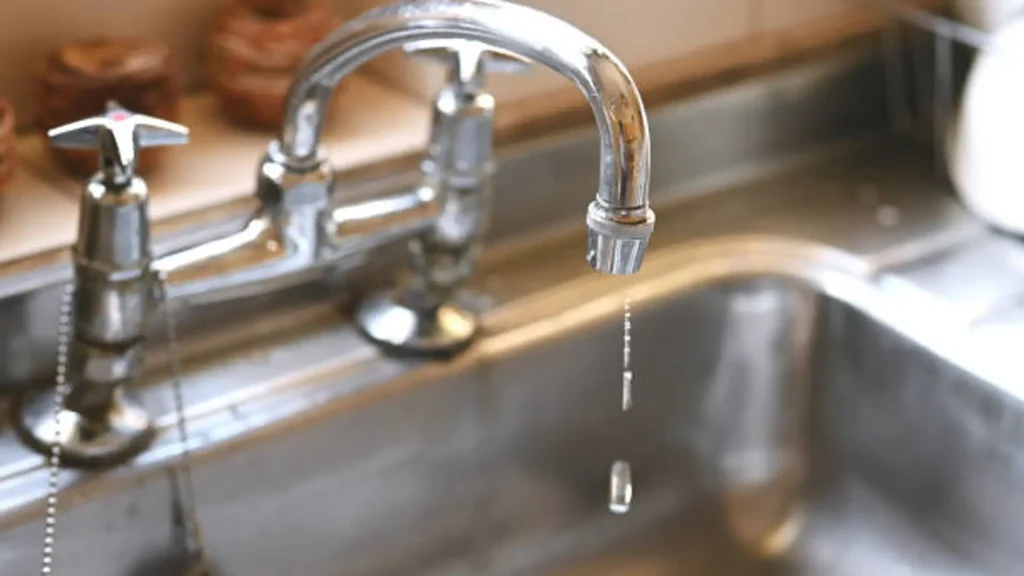
Signs your PRV may be failing “high” (pressure too high)
These are the symptoms that can quietly lead to leaks and water damage:
- Banging pipes (water hammer) when a valve closes
- Toilets that run longer or “slam” shut
- Faucets that spit or blast harder than normal
- Frequent drips from fixture shutoffs or supply lines
- A water heater T&P relief valve dripping (often tied to pressure and/or thermal expansion)
- Sudden pinhole leaks or recurring small leaks in multiple areas
If your water heater is acting up (relief valve, temperature swings, hot water issues), we can evaluate the whole system through Water Heater Services—PRV issues and thermal expansion often show up there first.
Signs your PRV may be failing “low” (pressure too low)
- Weak showers across the house
- Outdoor hose flow feels reduced
- Washing machine fills slowly
- Pressure drops dramatically when two fixtures run at once
Signs your PRV may be failing intermittently (classic regulator behavior)
- Pressure starts strong, then fades (or the opposite)
- Random spikes (some days great, some days terrible)
- You notice pressure changes more in the morning or evenings
- You’ve “adjusted the screw” but nothing stays consistent
Quick PSI test: check your home’s water pressure in 2 minutes
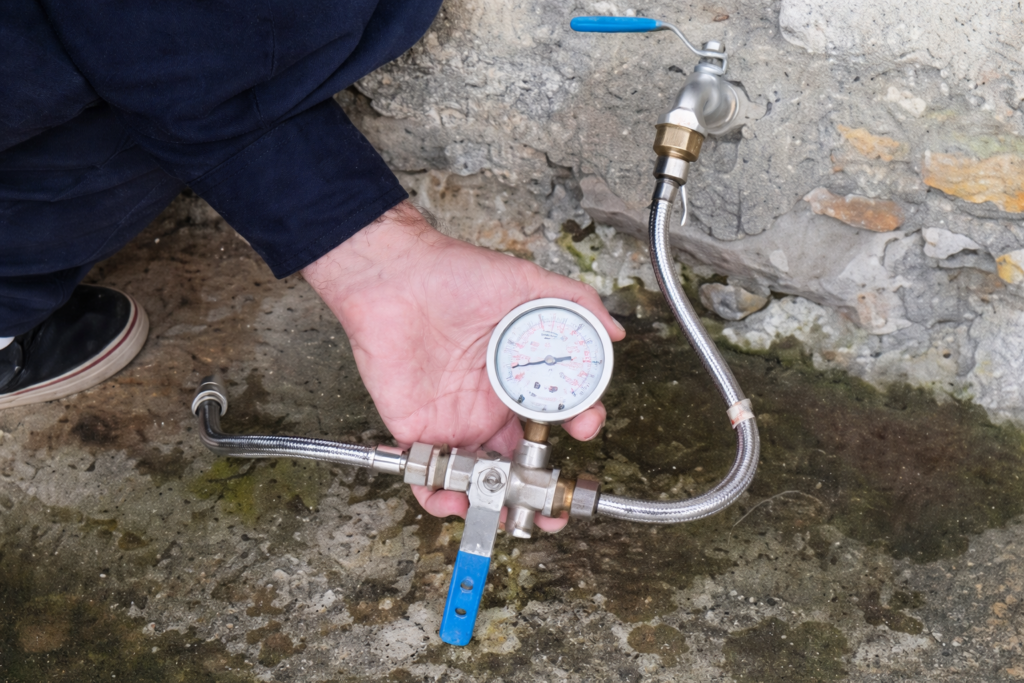
What you need
- A simple water pressure gauge that threads onto a hose bib (many include a “lazy hand” max-pressure marker).
Where to test (important)
Test at an exterior hose spigot or laundry connection that’s on the house side of the PRV (most exterior hose bibs are after the regulator, but not always—older setups vary).
Step-by-step PSI test
- Turn off all water use in the home (no showers, dishwasher, laundry).
- Screw the gauge onto a hose spigot.
- Open the spigot fully.
- Read the static pressure (PSI).
- Turn off the spigot, then repeat once to confirm consistency.
How to interpret the reading (practical ranges)
- Many homes run comfortably around 50–70 PSI.
- If you’re seeing very high pressure (especially near or above ~80 PSI), it’s a red flag for leaks and fixture wear.
- If you’re seeing very low pressure (often under ~40 PSI), comfort and performance suffer.
Not sure if your PRV is failing—or seeing pressure spikes and leaks? Call Quince Orchard Plumbing for fast, local help in Montgomery County, Maryland.
The “pressure creep” test (the #1 PRV failure clue)
A PRV can look fine in a quick test but still be failing internally. A very common problem is pressure creep: pressure slowly rises when no water is being used.
How to test for pressure creep
- Put the gauge on a hose bib.
- Confirm static PSI.
- Don’t use any water for 1–3 hours (overnight is even better).
- Recheck the gauge.
What creep usually means
- If PSI steadily rises while no water is used, it often indicates the PRV is not holding properly or there’s an expansion/closed-system issue.
This is especially important if you see a water heater relief valve drip—because a PRV can create a “closed system” where thermal expansion needs to be managed correctly. That’s why PRV work and water heater protection often go together through Water Heater Services.
PRV vs other causes: don’t miss these common look-alikes
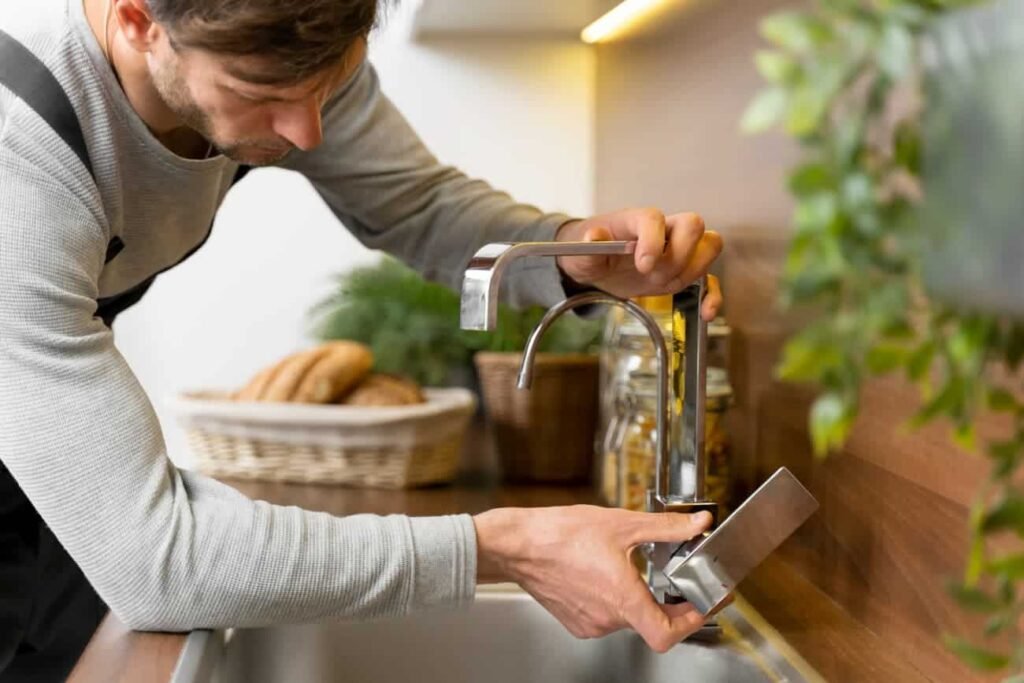
It might not be the PRV if…
- Pressure is only low at one fixture (could be an aerator, cartridge, or localized valve issue)
- Only hot water pressure is low (often a water heater or hot-side valve problem)
- You have intermittent low pressure tied to city supply events (less common, but possible)
It might be your main line, not the PRV, if…
- You have pressure that keeps dropping over months
- You see wet spots outside, unexplained higher water bills, or reduced flow everywhere
In those cases, start with Water Line Repair to rule out a service line leak or restriction.
PRV replacement factors: what affects the job (and the cost)
A PRV replacement isn’t just “swap the part.” These are the real-world variables that change complexity:
1) Main line size and valve type
Most homes are 3/4″ or 1″, but not always. Correct sizing matters for performance.
2) Accessibility and shutoff reliability
- Is the main shutoff working?
- Is the PRV in a tight utility space, behind finishes, or in a crawlspace?
- Are there unions, or does piping need to be cut and rebuilt?
3) Condition of the piping
Corrosion or older galvanized segments can turn a “simple swap” into a more involved repair.
4) Need for an expansion tank or system corrections
If the system is closed (common when a PRV is present), you may need to address thermal expansion properly—especially if you’ve seen T&P discharge or pressure creep.
5) Code/permit considerations (when applicable)
Some installs require specific configurations or inspections depending on local rules and the scope of the work.
6) Water quality and debris
Sediment can damage PRV internals over time. A clogged strainer (if present) or debris can mimic regulator failure.
Can you replace a PRV yourself?
In most cases, we don’t recommend DIY for PRVs because:
- it’s on the main water line
- incorrect installation can cause leaks, pressure instability, or water damage
- older shutoffs can fail when operated after years of not moving
If you want it done safely and set to the correct PSI for your home, book it under Water Line Repair.
Not sure if your PRV is failing—or seeing pressure spikes and leaks? Call Quince Orchard Plumbing for fast, local help in Montgomery County, Maryland.
Extra protection: why PRV problems often show up as “water heater problems”
A lot of homeowners first notice PRV issues because:
- the water heater’s relief valve starts dripping
- hot water feels inconsistent
- expansion-related pressure swings create noise and stress
If your water heater system is part of the pressure conversation, our team can inspect and correct the setup through Water Heater Services.
Service Area (Maryland only)
Quince Orchard Plumbing serves Gaithersburg (20878), Rockville, Germantown, North Potomac, Darnestown, Montgomery Village, Potomac (north), Derwood, Kentlands, and Washington Grove.