

Gurgling drains and toilet bubbles can feel confusing—especially when they show up suddenly. However, these symptoms usually point to one of two problems: a venting issue (air can’t move correctly) or a main sewer clog (wastewater can’t flow out). This guide helps you run a few safe checks and choose the right next step without guessing.
This article is written for homeowners in Gaithersburg (20878) and nearby Montgomery County areas including Rockville, Germantown, North Potomac, Darnestown, Montgomery Village, Potomac (north), Derwood, Kentlands, and Washington Grove.
Gurgling drains: what the sound really means
Plumbing drains need two things to work smoothly:
- Gravity flow (water and waste moving downhill), and
- Air flow (vents letting air in/out so traps don’t siphon)
When airflow changes, you hear gurgling drains because air pushes through water sitting in a trap. Meanwhile, a restricted main sewer can also create gurgling because water and air compete for space in a partially blocked pipe.
Gurgling drains vs toilet bubbles: quick decision guide
Use this split to narrow down the cause fast.
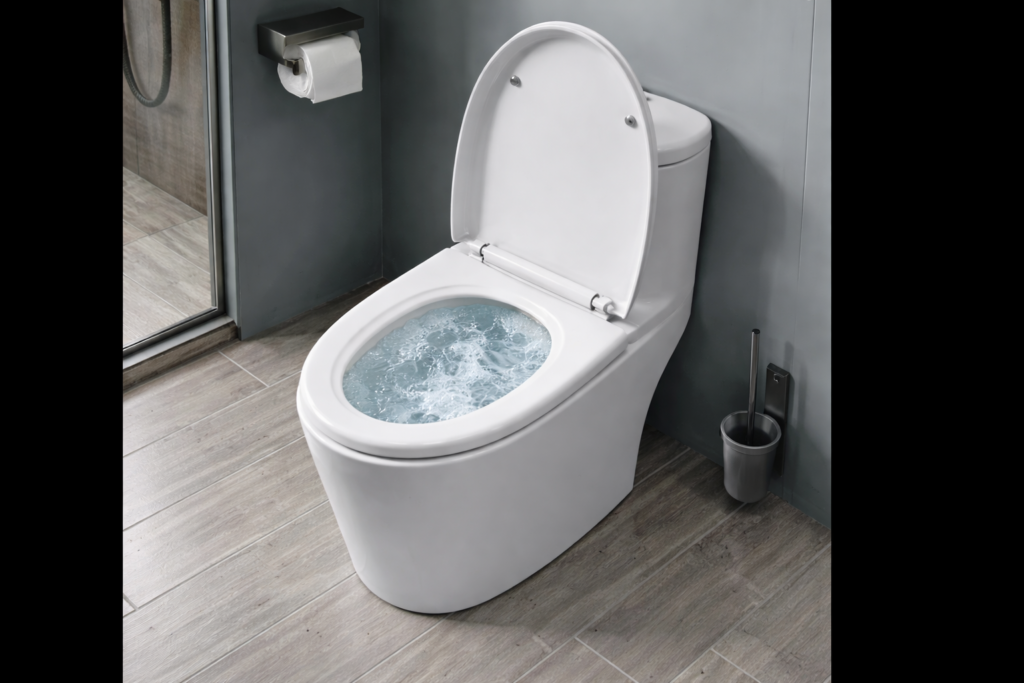
If gurgling drains happen in multiple fixtures, suspect the main sewer
- You hear gurgling in a sink and see toilet bubbles
- The tub or shower drains slowly
- You smell sewer odor near a floor drain
- The issue worsens when you run laundry or take a shower
Next step: schedule a Video Camera Sewer Inspection to confirm roots, buildup, offsets, or a belly (sag).
If gurgling drains happen mostly at one fixture, suspect venting or a local issue
- Only one sink gurgles
- One bathroom shows symptoms while others stay normal
- The issue appears randomly and doesn’t track with heavy water use
Even so, if the pattern keeps returning, rule out partial main-line restrictions.
Gurgling drains from venting problems: key signs
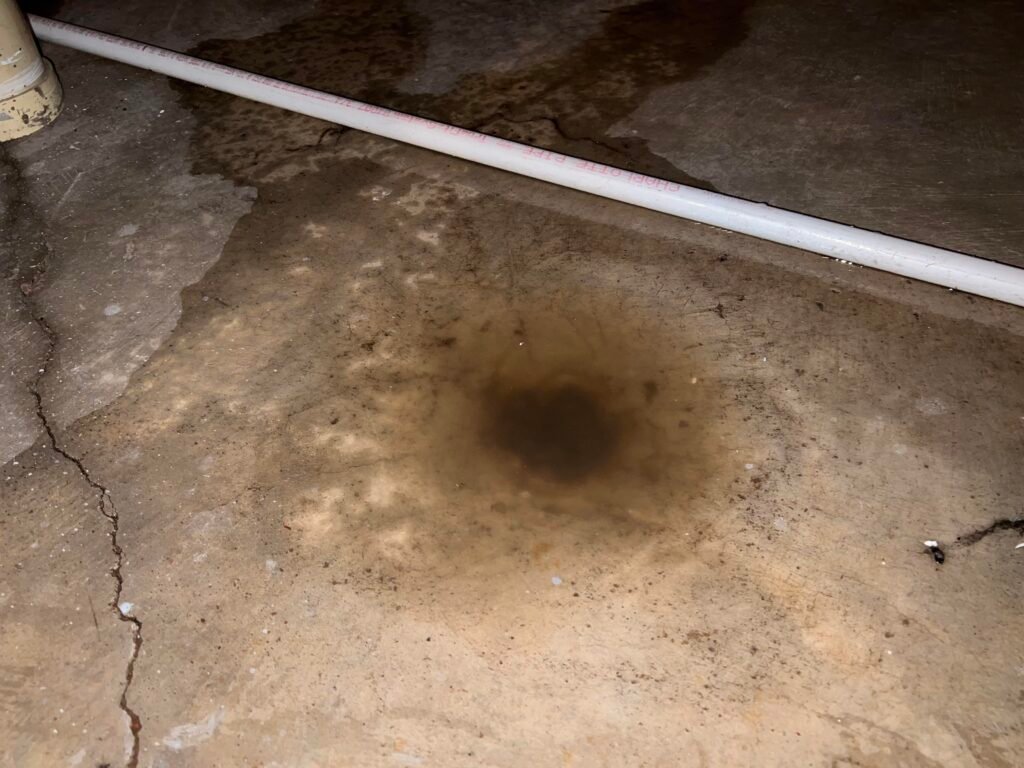
Venting issues often show up like this:
1) You hear gurgling drains right after a nearby flush
A toilet flush pulls air. If the vent can’t balance pressure, the system pulls air through the trap instead—so the sink gurgles.
2) You notice odors that come and go
When the system siphons a trap, sewer gases can enter the home until water refills the trap. Therefore, odors often appear intermittently.
3) The drain “glugs” but still drains
Venting problems can sound dramatic while water still moves. In other words, noise can be the first warning even before a full clog forms.
Important: A venting diagnosis often requires a plumber to test airflow and inspect roof vent conditions safely. That said, if you also suspect a deeper restriction, a camera inspection gives fast clarity.
Hearing gurgling drains or noticing toilet bubbles? Call Quince Orchard Plumbing for a sewer camera inspection and clear next steps in Gaithersburg and Montgomery County, MD.
Gurgling drains from a main sewer clog: key signs
Main sewer restrictions usually follow a predictable pattern:
1) Multiple drains slow down at the same time
When the main line narrows, several fixtures start acting up together.
2) The lowest drain acts up first
A basement floor drain often shows the first warning signs because it sits at the lowest point. Consequently, basement drains can overflow before upstairs fixtures do.
3) Heavy water use triggers the worst symptoms
Laundry, showers, and dishwashers push more volume through the line. If the line can’t handle it, symptoms intensify quickly.
Next step: start with a Video Camera Sewer Inspection. If the camera confirms damage, move to Sewer Line Repair & Replacement.
Safe checks you can do at home (without making it worse)
These checks won’t solve every situation, but they help you describe the problem accurately and avoid bigger messes.
Check 1: Run one fixture, then watch another
- Run a bathroom sink for 30–60 seconds
- Then flush a toilet in the same bathroom
If the sink gurgles during the flush, venting may be involved. On the other hand, if the toilet bubbles and the tub slows, a main line restriction becomes more likely.
Check 2: Watch for “lowest fixture” symptoms
If the basement floor drain, basement shower, or lowest toilet shows issues first, treat it as a possible main sewer problem.
Check 3: Note whether it’s worse after heavy rain
Heavy rain can reveal:
- municipal surcharge conditions, or
- a house line that’s already restricted and now can’t keep up
For general local guidance on sewer backups and responsibilities, WSSC Water has a resource here:
WSSC Water – Sewer Backups
Check 4: Avoid chemical drain cleaners
They rarely solve main sewer issues. Additionally, they can create hazards during service.
For background on what contributes to sanitary sewer overflows, EPA explains it here:
EPA – Sanitary Sewer Overflow FAQ
Venting vs clog: symptoms table
| Symptom | More likely venting | More likely main sewer clog |
|---|---|---|
| One sink gurgles only | ✅ | ❌ |
| Toilet bubbles when other fixtures drain | ✅ sometimes | ✅ very common |
| Multiple drains slow at once | ❌ | ✅ |
| Basement floor drain backs up | ❌ | ✅ |
| Worse with laundry/shower | ❌ | ✅ |
| Sewer smell appears intermittently | ✅ | ✅ (if traps disturbed) |
| Problem returns quickly after snaking | ❌ | ✅ (roots/belly/offset) |
When to call a plumber (don’t wait)
Call right away if:
- You have sewage odor plus slow drains
- Water rises in a tub or basement drain
- Multiple bathrooms are affected
- You’ve had a backup in the last 12 months
- Gurgling drains are paired with toilet bubbles and slow drainage
Best next step for clarity: Video Camera Sewer Inspection
If damage is confirmed: Sewer Line Repair & Replacement
What we typically recommend first (so you don’t waste money)
Instead of guessing, we confirm the cause quickly:
- If a main sewer clog is likely, a camera inspection shows roots, offsets, bellies, breaks, or heavy buildup.
- If venting is likely, we test airflow and identify whether a vent is blocked or misbehaving.
Once we confirm the cause, the fix becomes straightforward rather than trial-and-error.
A quick note on backflow safety (not the same thing)
A sewer backup involves the sanitary drain line. A potable-water backflow issue involves the drinking water system. Still, after major plumbing events, it can help to verify protection where applicable through Backflow Prevention Services.
Hearing gurgling drains or noticing toilet bubbles? Call Quince Orchard Plumbing for a sewer camera inspection and clear next steps in Gaithersburg and Montgomery County, MD.
Service Area (Maryland only)
Quince Orchard Plumbing serves Gaithersburg (20878), Rockville, Germantown, North Potomac, Darnestown, Montgomery Village, Potomac (north), Derwood, Kentlands, and Washington Grove.