

A sewer cleanout cap leaking is not just an annoying drip. In many cases, it warns you about pressure in the sewer line—which can quickly turn into a backup if you ignore it. Fortunately, you can run a few safe checks and take the right next step without guessing.
This guide is for homeowners in Gaithersburg (20878) and nearby Montgomery County areas including Rockville, Germantown, North Potomac, Darnestown, Montgomery Village, Potomac (north), Derwood, Kentlands, and Washington Grove.
Sewer cleanout cap leaking: what it usually means
A cleanout gives plumbers access to your sewer line for inspection and cleaning. When a sewer cleanout cap leaking happens, it usually points to one of these causes:
- A building drain restriction is building pressure
Roots, grease, wipes, or heavy buildup can slow the line. As a result, wastewater can push toward the cleanout and seep out. - The cap itself isn’t sealing
The cap may have worn threads, a missing gasket/O-ring, or a hairline crack. Additionally, someone may have cross-threaded it or overtightened it. - The cleanout fitting is cracked or shifted
If the hub or pipe around the cleanout cracks, you can see moisture around the fitting even when the cap is tight. - Heavy rain is exposing a weak point
Higher flow conditions (or surcharge patterns) can make a marginal line show symptoms. Therefore, the leak may appear only after storms.
For general local guidance on sewer backups, WSSC Water explains common causes and responsibilities here: https://www.wsscwater.com/backups
Sewer cleanout cap leaking: what NOT to do
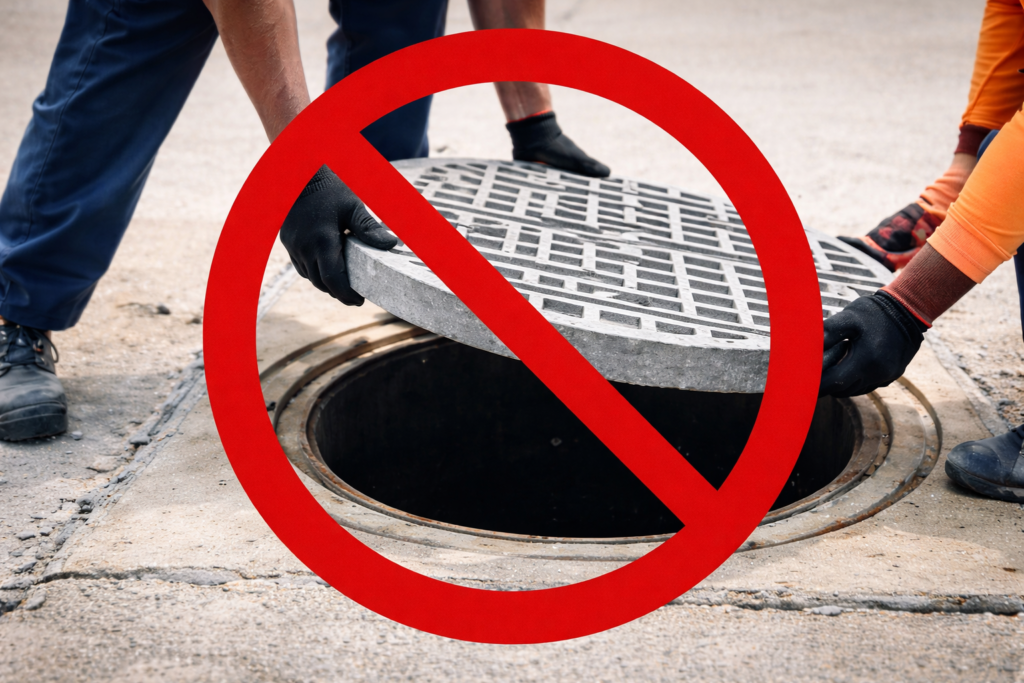
When you see a sewer cleanout cap leaking, avoid these mistakes:
- Do NOT remove the cap if you have slow drains, gurgling, sewage smell, or any backup symptoms.
Wastewater can sit under pressure. If you open the cleanout, sewage can spill into the basement or yard. - Do NOT pour chemicals into the system hoping it clears the line.
Chemicals rarely solve main line problems. Moreover, they make service more hazardous.
If you suspect a developing backup, the fastest clarity comes from Video Camera Sewer Inspection.
Sewer cleanout cap leaking: quick checks you can do safely
These checks help you understand the situation without creating a mess.
1) Check for other warning signs
If you notice any of the following, treat it as a main line issue:
- Multiple drains slow down at once
- Toilet bubbles or gurgling drains
- Basement floor drain smells or holds water
- Backups appear after laundry or long showers
In that case, schedule Video Camera Sewer Inspection rather than chasing the cap.
2) Identify where the water is coming from
Dry the area with towels, then watch closely:
- Water weeps from the cap threads → sealing problem or pressure
- Water shows around the fitting/hub → cracked fitting, poor connection, or pipe shift
- Water appears after heavy water use → restriction building pressure
3) Use odor as your “truth test”
If it smells like sewage, you’re likely seeing wastewater—not groundwater. Therefore, stop water use and call a plumber.
4) Rule out nearby mechanical leaks
Sometimes a homeowner blames the cleanout when the real culprit is a water heater or supply leak nearby. If water is near the heater pan or relief line, check Water Heater Services.
Dealing with a sewer cleanout cap leaking or slow drains? Call Quince Orchard Plumbing for a video camera inspection and the right fix in Gaithersburg and Montgomery County, MD.
Sewer cleanout cap leaking: how to fix it the right way
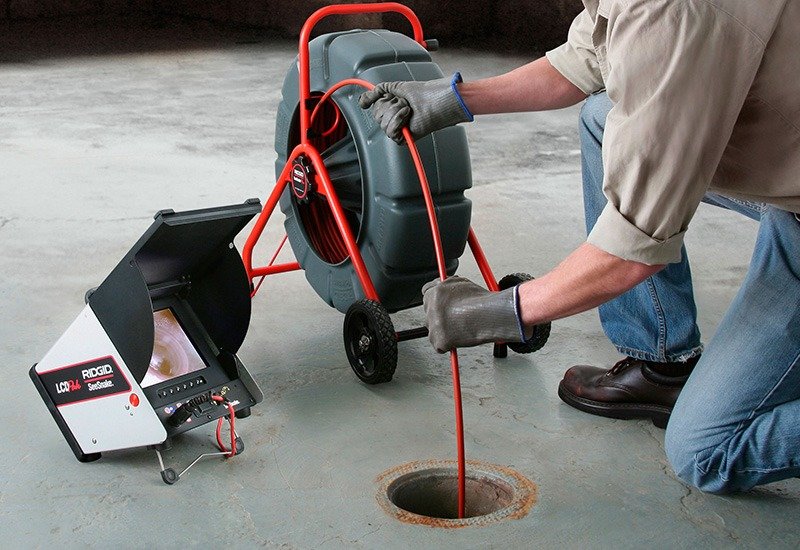
The “right fix” depends on whether the leak comes from seal failure or line pressure. In other words, you fix the cause—not just the symptom.
Fix path A: Sewer cleanout cap leaking because the cap doesn’t seal
If all drains run normally and you see a small seep at the cap threads, you may have a sealing issue.
Correct fixes:
- Replace the cleanout cap with the correct size/type
- Replace a missing or worn gasket/O-ring (if the cap style uses one)
- Clean the threads and re-seat the cap carefully
- Tighten snugly (don’t crank it)
If you replace the cap and it still leaks, pressure is likely involved. Then you need diagnosis, not another cap.
Fix path B: Sewer cleanout cap leaking because pressure is building in the line
If drains act slow, gurgle, or back up, the cleanout leak is a warning sign.
Correct next step: confirm what’s inside the line with Video Camera Sewer Inspection.
If the camera shows damage, you may need Sewer Line Repair & Replacement.
For background on why sewer systems overflow and what contributes to backups, EPA explains it here: https://www.epa.gov/npdes/sanitary-sewer-overflow-sso-frequent-questions
Fix path C: Sewer cleanout cap leaking due to a cracked fitting or pipe section
If water appears around the hub or you see cracks, the fitting may have failed. A plumber will usually replace the damaged cleanout section and restore proper access.
When to call a plumber for sewer cleanout cap leaking

Call right away if:
- The leak smells like sewage
- Multiple fixtures drain slowly
- You see toilet bubbles or gurgling drains
- The basement floor drain backs up after heavy rain
- The leak increases when you run water
For recurring symptoms, start here: Video Camera Sewer Inspection.
For confirmed line damage, use: Sewer Line Repair & Replacement.
Prevent the next sewer cleanout cap leak
- Avoid flushing wipes (even “flushable” ones), paper towels, and grease.
- Schedule a camera inspection if you’ve had repeat clogs.
- Keep the cleanout accessible (don’t bury it behind storage or drywall).
- After any sewage event, dry the area fast to reduce mold risk. EPA guidance: https://www.epa.gov/mold
If you want potable-water safety verified after plumbing issues, check Backflow Prevention Services.
Dealing with a sewer cleanout cap leaking or slow drains? Call Quince Orchard Plumbing for a video camera inspection and the right fix in Gaithersburg and Montgomery County, MD.
FAQ
Can I tighten the cleanout cap harder?
Sometimes a slightly loose cap causes seepage. However, overtightening can crack older fittings or distort sealing surfaces. If it keeps leaking, you need a proper cap/seal or a line diagnosis.
Is sewer cleanout cap leaking an emergency?
It can be. If you also have slow drains, gurgling, or sewage odor, treat it as urgent because you may be close to a backup.
Does a sewer cleanout cap leaking always mean the main sewer is clogged?
Not always. A bad seal can leak even with normal drainage. That said, repeated leaks often point to pressure from a restriction.
Service Area (Maryland only)
Quince Orchard Plumbing serves Gaithersburg (20878), Rockville, Germantown, North Potomac, Darnestown, Montgomery Village, Potomac (north), Derwood, Kentlands, and Washington Grove.